You've narrowed your content optimization tool search down to Clearscope and Frase. Now comes the hard part: actually choosing between them.
Here's the thing most comparison articles won't tell you: the "better" tool depends entirely on your specific workflow, team setup, and content goals. A platform that's perfect for a solo content marketer might frustrate an enterprise team, and vice versa.
This guide cuts through the marketing noise to help you evaluate what actually matters for your situation. We'll walk through seven strategic approaches to making this decision—each one designed to reveal which tool aligns with how you actually work, not just which one has the longer feature list.
Let's get practical about finding your best fit.
1. Audit Your Content Production Volume First
The Challenge It Solves
Pricing models can look deceptively simple until you multiply them by your actual monthly content output. What seems affordable for occasional use can quickly become expensive at scale, while what looks pricey upfront might actually save money for high-volume teams.
The disconnect happens because most teams evaluate tools based on the advertised price rather than their true cost per piece of content. This leads to budget surprises three months in.
The Strategy Explained
Start by calculating your realistic monthly content production. Count blog posts, landing pages, product descriptions, and any other content you'll optimize. Don't just count published pieces—include drafts that need optimization and existing content you plan to refresh.
Clearscope typically uses a per-report pricing model, where each content brief or optimization report counts against your allocation. Frase generally offers subscription-based access with different tiers based on features and user seats.
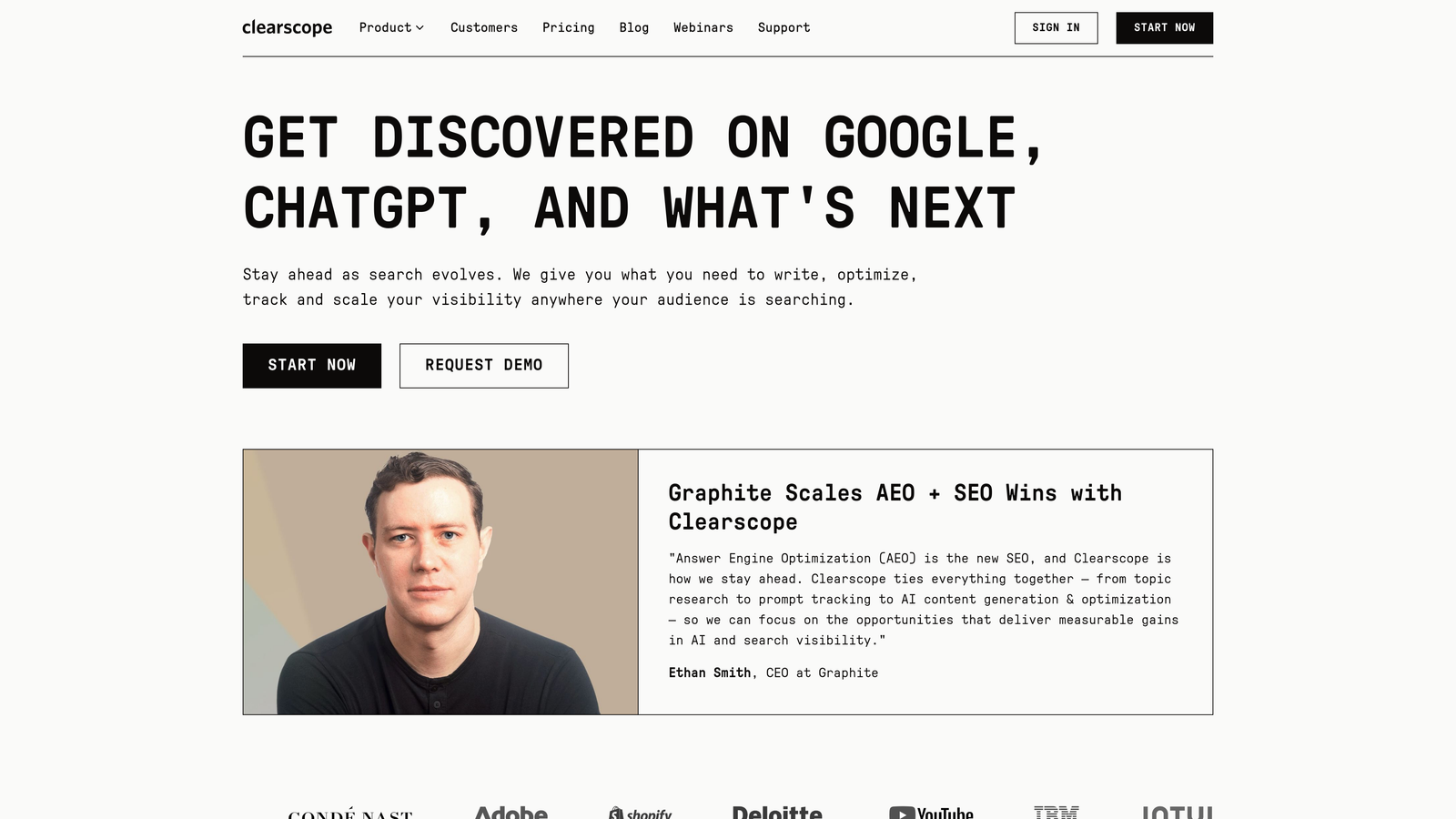
The math changes dramatically based on volume. If you're producing 5-10 pieces monthly, per-report pricing might work beautifully. If you're running an agency optimizing 50+ pieces across multiple clients, unlimited access becomes more cost-effective.
Implementation Steps
1. Track your content output for the past three months to establish a baseline production volume
2. Add 20-30% buffer for growth and content refreshes you'll want to optimize
3. Calculate the true monthly cost for each platform based on your projected usage
4. Factor in team size—some pricing scales with users while others don't
5. Request custom quotes if you're an agency or enterprise with high volume needs
Pro Tips
Don't forget to account for content refreshes. Many teams underestimate how often they'll want to re-optimize existing pieces as search landscapes shift. If you plan to regularly update your top-performing content, that counts toward your usage too.
2. Evaluate Your Team's Technical Comfort Level
The Challenge It Solves
A powerful tool that your team won't actually use is worse than a simpler tool they'll use daily. The gap between a platform's capabilities and your team's ability to leverage them creates frustration, wasted budget, and content bottlenecks.
This becomes especially critical if you're working with freelancers, junior writers, or subject matter experts who aren't SEO specialists. The learning curve can make or break adoption.
The Strategy Explained
Assess your team's current technical skills honestly. Consider their experience with SEO tools, comfort with data interpretation, and capacity for learning new systems. A tool that requires understanding of TF-IDF scoring and semantic analysis might overwhelm writers who just need clear optimization guidance.
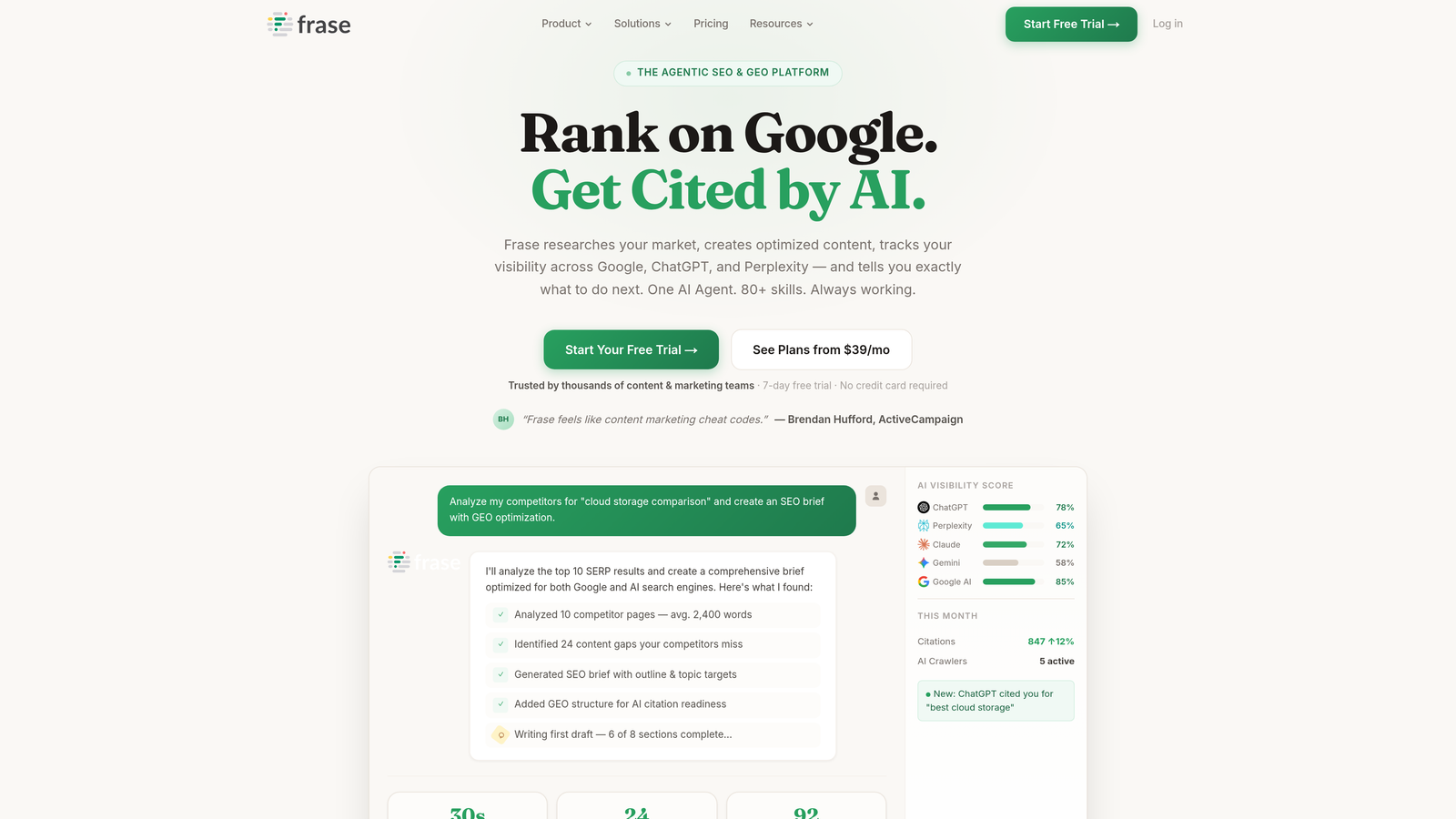
Clearscope tends to present a more streamlined interface focused on content grading and optimization suggestions. Frase offers more comprehensive research features but with additional complexity in navigation and feature discovery.
Think about your onboarding capacity too. Can you invest time in training sessions, or do you need something team members can start using productively within an hour?
Implementation Steps
1. Survey your team about their current SEO tool experience and pain points
2. Request demo accounts from both platforms and have team members test with real projects
3. Time how long it takes team members to complete their first optimization task
4. Note which features cause confusion versus which feel intuitive
5. Consider whether you'll need ongoing training resources or if initial onboarding will suffice
Pro Tips
Pay attention to how each platform presents optimization recommendations. Some writers thrive with detailed data and metrics, while others perform better with simple "add this term" guidance. The interface that matches your team's working style will see much higher adoption rates.
3. Map Your Workflow: Research-First vs Optimization-First
The Challenge It Solves
Most content teams have a gap in their workflow—either they struggle with initial research and brief creation, or they need help optimizing drafts that are already written. Choosing a tool that doesn't match where your bottleneck actually exists just shifts the problem rather than solving it.
The research-first approach means you need robust SERP analysis and brief generation before writing begins. The optimization-first approach means you're starting with drafts that need SEO refinement.
The Strategy Explained
Document your current content creation process step by step. Where do projects typically stall? Is it in the research phase where writers don't know what to cover? Or is it in optimization where good drafts need SEO polish?
Frase emphasizes content research and brief generation, making it stronger for teams that need help in the planning phase. It excels at analyzing top-ranking content and creating comprehensive outlines.
Clearscope focuses more on optimization of existing content, providing detailed grading and suggestions to improve drafts. It's particularly effective when you already know what to write but need help making it rank.
Implementation Steps
1. Track your last five content projects and identify where the most time was spent
2. Note which phase creates the most revisions or back-and-forth
3. Ask writers whether they struggle more with "what to write" or "how to optimize what I wrote"
4. Test both tools with the same keyword—one starting from scratch, one optimizing an existing draft
5. Evaluate which workflow felt more natural and time-saving
Pro Tips
Your workflow might actually need both capabilities, but prioritize the bigger pain point. Many teams discover they can work around weaker research features more easily than poor optimization capabilities, or vice versa. Focus on solving your primary bottleneck first.
4. Test AI Writing Capabilities Against Your Quality Standards
The Challenge It Solves
AI writing features sound impressive in demos but often fall short when you need content that matches your brand voice, handles technical topics accurately, or requires genuine expertise. The gap between AI-generated first drafts and publishable content determines whether these features save time or create more editing work.
This matters especially if you're considering using AI writing to scale production or support less experienced writers.
The Strategy Explained
Both platforms offer AI writing assistance, but the quality, flexibility, and usefulness vary significantly based on your content type and standards. Run actual tests with your real content briefs rather than relying on demo examples.
Create content briefs for topics you know well—ideally pieces you've already published successfully. Generate AI drafts from both tools using identical briefs. Then evaluate the output against your quality standards for accuracy, readability, and brand alignment.
Pay attention to how much editing each draft requires. If you're spending 60% of your time rewriting AI content, you haven't actually saved time compared to writing from scratch.
Implementation Steps
1. Select three representative content topics from your editorial calendar
2. Create detailed briefs with target keywords and key points to cover
3. Generate AI drafts from both platforms using identical inputs
4. Have your editor evaluate each draft and track editing time required
5. Compare the final quality and total time investment against your baseline writing process
Pro Tips
Test with your most challenging content types. If the AI handles complex topics well, simpler content will be even easier. But if it struggles with technical accuracy or nuanced arguments, you'll need human writers for substantial portions of your content regardless of the tool's capabilities.
5. Compare Integration Options with Your Existing Stack
The Challenge It Solves
A content optimization tool that doesn't integrate smoothly with your actual writing and publishing workflow creates friction at every step. Writers won't use it if they have to constantly copy-paste between platforms, and you'll lose efficiency to context switching and manual transfers.
The integration question becomes critical when you're working with content management systems, collaboration tools, or specific publishing platforms.
The Strategy Explained
Map out your complete content workflow from research through publication. Where do writers actually draft content? How do editors review and approve? What's your publishing process?
Clearscope offers strong Google Docs integration, allowing writers to optimize content directly in their familiar writing environment. This matters significantly if your team lives in Google Workspace.
Frase provides its own editor along with various export options. Consider whether your team prefers working in a dedicated platform or integrating with existing tools.
Look beyond the writing phase too. How will optimized content move into your CMS? Does the tool export in formats your publishing workflow can handle easily?
Implementation Steps
1. List every tool in your current content workflow from ideation to publication
2. Check each platform's integration documentation for compatibility
3. Test the actual workflow with a real content piece end-to-end
4. Note any friction points where you need to manually transfer content or data
5. Calculate time spent on workflow transitions versus actual optimization work
Pro Tips
The best integration is the one that meets your writers where they already work. If your team strongly prefers Google Docs, fighting that preference will hurt adoption no matter how good the standalone editor is. Choose the path of least resistance for your specific team.
6. Analyze Competitor Research Depth for Your Niche
The Challenge It Solves
Generic SERP analysis works fine for broad topics, but specialized niches require tools that can surface meaningful competitive intelligence from your specific market. A tool that excels at analyzing "best running shoes" content might struggle with technical B2B topics or local service content.
This becomes crucial if you're operating in a competitive niche where understanding subtle content differences between top-ranking pages determines your success.
The Strategy Explained
Test both platforms with your actual target keywords—not demo examples. Look at how each tool analyzes your top competitors and what insights it surfaces about their content strategies.
Evaluate the depth of competitive content analysis. Can you see topic clusters competitors cover? Does it identify content gaps in the current top 10? How well does it handle your specific industry terminology?
Pay particular attention to how each tool handles your niche's unique characteristics. Technical industries need accurate analysis of specialized terms. Local businesses need geographic context. B2B content requires understanding of longer, more complex buyer journeys.
Implementation Steps
1. Select five target keywords representing your core content topics
2. Run SERP analysis in both platforms for these specific keywords
3. Compare the competitive insights each tool surfaces
4. Check whether the tools accurately identify relevant terms for your niche
5. Evaluate which platform provides actionable insights versus generic suggestions
Pro Tips
Look for tools that understand semantic relationships in your niche. The platform that recognizes industry-specific synonyms and related concepts will provide much more useful optimization guidance than one that just counts keyword frequency.
7. Consider the Emerging AI Visibility Factor
The Challenge It Solves
Traditional SEO tools optimize for Google search results, but the search landscape is rapidly evolving. AI platforms like ChatGPT, Claude, and Perplexity are becoming primary research tools, yet most content optimization platforms don't address how your content performs in these AI-powered environments.
This creates a strategic gap: you might rank well in traditional search while remaining invisible in AI-generated responses that increasingly influence buying decisions.
The Strategy Explained
As you evaluate Clearscope and Frase, consider whether your content strategy needs to extend beyond traditional SERP optimization. Both tools excel at helping content rank in Google, but neither directly addresses AI visibility—how often AI models mention your brand or cite your content when answering user queries.
This matters because search behavior is shifting. Users increasingly ask questions directly to AI assistants rather than clicking through search results. If your brand isn't part of AI training data or doesn't appear in AI-generated responses, you're missing a growing segment of potential customers.
The strategic question becomes: are you optimizing for yesterday's search landscape or tomorrow's? Traditional SEO remains important, but forward-thinking content strategies now account for AI visibility alongside conventional rankings.
Implementation Steps
1. Test how often AI models currently mention your brand by asking relevant questions in ChatGPT, Claude, and Perplexity
2. Evaluate whether your content strategy needs to address both traditional SEO and AI visibility
3. Consider whether your chosen tool should integrate with platforms that track AI mentions
4. Assess if your content needs optimization specifically for AI model training and citation
5. Determine if you need separate tools for traditional SEO versus AI visibility tracking
Pro Tips
The content that performs well in traditional search doesn't automatically perform well in AI responses. AI models prioritize different signals—authority, clarity, and structured information over keyword density. Consider whether your optimization strategy needs to evolve beyond what traditional tools like Clearscope and Frase currently offer.
Making Your Decision With Confidence
Choosing between Clearscope and Frase isn't about picking the objectively "better" tool—it's about identifying which platform aligns with your specific workflow, team capabilities, and content goals.
Start with the fundamentals. Audit your production volume and calculate true costs based on how you'll actually use the platform. Then evaluate your team's technical comfort level honestly. The most feature-rich tool won't help if your team won't use it.
Map your workflow to identify where your real bottleneck exists. If you struggle with research and brief creation, prioritize those capabilities. If optimization of existing drafts is your pain point, focus there. Test AI writing features with your actual content standards rather than trusting demo examples.
Don't overlook integration requirements. The tool that fits seamlessly into your existing workflow will see far higher adoption than one that requires constant context switching, no matter how powerful its standalone features are.
Run competitive analysis tests with your actual target keywords. Generic SERP analysis works differently than niche-specific insights, and you need a tool that understands your market's unique characteristics.
Finally, consider the evolving search landscape. Traditional SEO optimization remains crucial, but the emergence of AI-powered search introduces new visibility challenges that conventional tools weren't designed to address. Your content strategy may need to account for both traditional rankings and AI visibility.
The right choice comes down to matching tool capabilities with your specific needs. Take the time to test both platforms with real content projects, involve your actual team members in evaluation, and make decisions based on how you work—not just feature checklists.
And as search continues evolving beyond traditional SERPs, remember that optimization strategies need to evolve too. Start tracking your AI visibility today and see exactly where your brand appears across top AI platforms—because understanding how AI models talk about your brand is becoming just as important as knowing where you rank in Google.