What if your meticulously planned content strategy is optimized for yesterday's search landscape?
You're spending hours researching keywords, mapping content clusters, and building editorial calendars that check every traditional SEO box. Your content ranks. It drives traffic. By conventional metrics, you're winning.
But here's the problem: While you're optimizing for Google's algorithm, your potential customers are increasingly turning to ChatGPT, Claude, and Perplexity for answers. They're asking conversational questions and getting instant recommendations—and your carefully optimized content isn't part of the conversation.
This isn't a hypothetical future scenario. The search landscape has already split into two distinct ecosystems. Traditional search engines discover and rank your content based on backlinks, keyword optimization, and technical SEO factors. AI search platforms evaluate content through entirely different mechanisms: topical authority, citation-worthiness, comprehensive coverage, and factual reliability.
Many businesses are discovering a troubling pattern: Their highest-ranking Google content receives minimal visibility on AI platforms. Articles that dominate page one of search results get overlooked when AI models recommend solutions. This creates a strategic vulnerability that compounds as user behavior shifts toward AI-assisted search.
The cost of using outdated planning methods in 2026 isn't just missed opportunities—it's building a content library that becomes progressively less discoverable as search behavior evolves. You're investing resources into assets that satisfy yesterday's algorithms while missing the signals that tomorrow's search platforms prioritize.
The solution isn't abandoning traditional SEO or pivoting entirely to AI optimization. It's building a content planning system that dominates both worlds simultaneously. This requires understanding how AI models interpret content differently than search algorithms, identifying keywords that perform across both ecosystems, and creating content briefs that satisfy dual optimization requirements.
This guide walks you through a six-step process for building a modern content planning system that generates visibility across traditional search engines and AI platforms. You'll learn how to audit your current performance across both ecosystems, research keywords that work in Google and ChatGPT, build strategic content calendars that establish topical authority, create briefs that guarantee optimization success, implement efficient production workflows, and track performance metrics that matter in both search environments.
By the end, you'll have a systematic approach to content planning that doesn't just adapt to the AI search era—it positions your content to dominate it. Let's walk through how to build a content planning system that works for both traditional and AI search results.
Step 1: Audit Your Current Content Performance Across Both Search Ecosystems
Before building a new content planning system, you need to understand how your existing content performs in both traditional search engines and AI platforms. This dual-ecosystem audit reveals which content assets are working, which are failing, and where the biggest gaps exist between your Google performance and your AI visibility.
Start by analyzing your traditional search performance using Google Search Console and your analytics platform. Export your top 50 performing pages by organic traffic over the past 90 days. For each page, document the primary keyword, current ranking position, monthly search volume, and click-through rate. This establishes your baseline for traditional search visibility.
Next, test how your content performs in AI search platforms. Open ChatGPT, Claude, and Perplexity, then ask questions that your target audience would ask—questions your content is designed to answer. For example, if you have an article about "email marketing automation," ask "What are the best email marketing automation tools for small businesses?" or "How do I set up automated email sequences?"
Document whether your content appears in the AI responses, how it's positioned (primary recommendation, supporting mention, or absent), and what competing content gets recommended instead. This reveals your AI visibility baseline and identifies content that ranks well in Google but gets overlooked by ai for seo platforms.
The most revealing insight comes from comparing these two datasets. Create a spreadsheet with columns for URL, Google ranking, AI visibility score (0-10), traffic volume, and gap analysis. Articles with high Google rankings but low AI visibility represent your biggest optimization opportunities—they already have authority and traffic but aren't optimized for AI recommendation.
Look for patterns in the content that performs well across both ecosystems. These articles typically share common characteristics: comprehensive coverage of topics, clear structure with descriptive headings, factual accuracy with specific data points, and natural language that answers questions directly. These patterns inform your content planning strategy.
Pay special attention to content gaps where AI platforms recommend competitors instead of your content. If ChatGPT consistently recommends a competitor's guide when users ask about your core topic, that competitor has established stronger topical authority in that area. These gaps become priority targets for your content calendar.
Document technical factors that might limit AI visibility. Check if your content is accessible to AI crawlers, verify that your robots.txt file doesn't block AI platforms, and ensure your content doesn't have paywalls or registration requirements that prevent AI models from accessing it. Technical barriers often explain why high-quality content gets overlooked.
This audit typically takes 4-6 hours for a content library of 50-100 articles, but it provides the foundation for everything that follows. You'll reference this data when prioritizing keywords, building your content calendar, and measuring improvement over time.
Step 2: Research Keywords That Perform in Both Google and AI Search
Traditional keyword research focuses on search volume, competition, and ranking difficulty in Google. AI-era keyword research adds a new dimension: identifying keywords where AI platforms actively provide recommendations and where your content can establish citation-worthiness.
Start with your traditional keyword research process using tools like Ahrefs, SEMrush, or Google Keyword Planner. Build a list of 100-200 potential keywords related to your core topics, including search volume, keyword difficulty, and current ranking position. This establishes your traditional search opportunity set.
Now validate these keywords in AI search platforms. For each keyword on your list, test variations of how users might ask about this topic in conversational AI. If your keyword is "content marketing strategy," test questions like "How do I build a content marketing strategy?" or "What's the best approach to content marketing for B2B companies?"
Document whether AI platforms provide specific recommendations, general information, or decline to answer. Keywords where AI platforms provide detailed recommendations with specific tool or resource suggestions represent high-value opportunities—these are topics where AI users are actively seeking answers and where your content can get recommended.
Evaluate the quality and depth of AI responses. If ChatGPT provides a comprehensive answer with specific examples and recommendations, that keyword has high AI search intent. If the response is vague or generic, the keyword may have lower AI search value even if it has high Google search volume.
Look for "recommendation keywords"—phrases where AI platforms specifically recommend tools, resources, or solutions. These keywords often include terms like "best," "top," "recommended," "how to choose," or "comparison." Content targeting these keywords should be optimized to become the recommended resource.
Identify "authority keywords" where establishing topical expertise matters more than traditional optimization. These are typically broader topics where AI platforms evaluate content based on comprehensiveness, accuracy, and citation-worthiness rather than just keyword optimization. For example, "artificial intelligence in marketing" requires demonstrating broader expertise than "AI email subject line generator."
Cross-reference your keyword list with your content audit from Step 1. Prioritize keywords where you already have content that ranks in Google but lacks AI visibility—these represent quick wins where optimization can improve performance without creating new content. Using ai content strategy principles can help identify these opportunities.
Build a keyword scoring system that accounts for both ecosystems. Assign points for Google search volume (1-10), keyword difficulty (inverse score), current ranking position, AI recommendation frequency (1-10), and AI response quality. This creates a unified priority score that balances traditional and AI search opportunities.
The output of this step should be a prioritized list of 30-50 keywords that perform well in both ecosystems or represent high-value opportunities where you can establish dual visibility. These keywords become the foundation for your content calendar in Step 3.
Step 3: Build a Strategic Content Calendar That Establishes Topical Authority
A modern content calendar doesn't just schedule individual articles—it maps out a strategic sequence that builds topical authority across both search ecosystems. AI platforms evaluate content in the context of your broader expertise, making the relationship between articles as important as the articles themselves.
Start by organizing your prioritized keywords from Step 2 into topical clusters. Group related keywords under broader topic umbrellas. For example, keywords like "email automation tools," "email sequence templates," and "email deliverability optimization" all cluster under "email marketing automation." These clusters become the organizing structure for your calendar.
For each cluster, identify the "pillar content" that establishes your core authority on that topic. This is typically a comprehensive guide that covers the topic broadly and links to more specific articles within the cluster. Pillar content should target your highest-value authority keywords and demonstrate the depth of your expertise.
Map out the supporting content that builds around each pillar. These articles target more specific keywords within the cluster and link back to the pillar content. The relationship between pillar and supporting content signals to both Google and AI platforms that you have comprehensive coverage of the topic.
Sequence your content calendar to build authority progressively. Don't publish all articles in a cluster simultaneously—spread them over 4-8 weeks to demonstrate ongoing expertise and give each article time to establish performance before adding related content. This sequencing helps both search engines and AI platforms recognize your growing authority.
Include content formats that AI platforms value highly. How-to guides, comparison articles, and problem-solution content tend to get recommended more frequently than news articles or opinion pieces. Prioritize formats where you can provide specific, actionable recommendations that AI platforms can cite.
Plan for content updates and refreshes. AI platforms favor current, accurate information, so your calendar should include quarterly reviews of existing content to update statistics, add new examples, and refresh outdated recommendations. This ongoing maintenance signals that your content remains reliable and current.
Build in content that addresses common follow-up questions. When you test keywords in AI platforms, note what follow-up questions users might ask. If your main article covers "content marketing strategy," plan supporting articles for "content marketing metrics," "content distribution channels," and "content marketing tools"—topics that naturally follow from the main article.
Consider production capacity realistically. A strategic calendar that publishes one high-quality, well-optimized article per week outperforms an aggressive calendar that publishes daily but sacrifices quality. AI platforms particularly penalize thin, low-quality content, so consistency matters more than volume. Many teams find that ai content production workflows help maintain quality at scale.
Document dependencies between articles. Some content should only publish after foundational content exists. If you're planning an advanced guide to "email automation workflows," ensure you've already published introductory content about "email marketing basics" that the advanced guide can reference and link to.
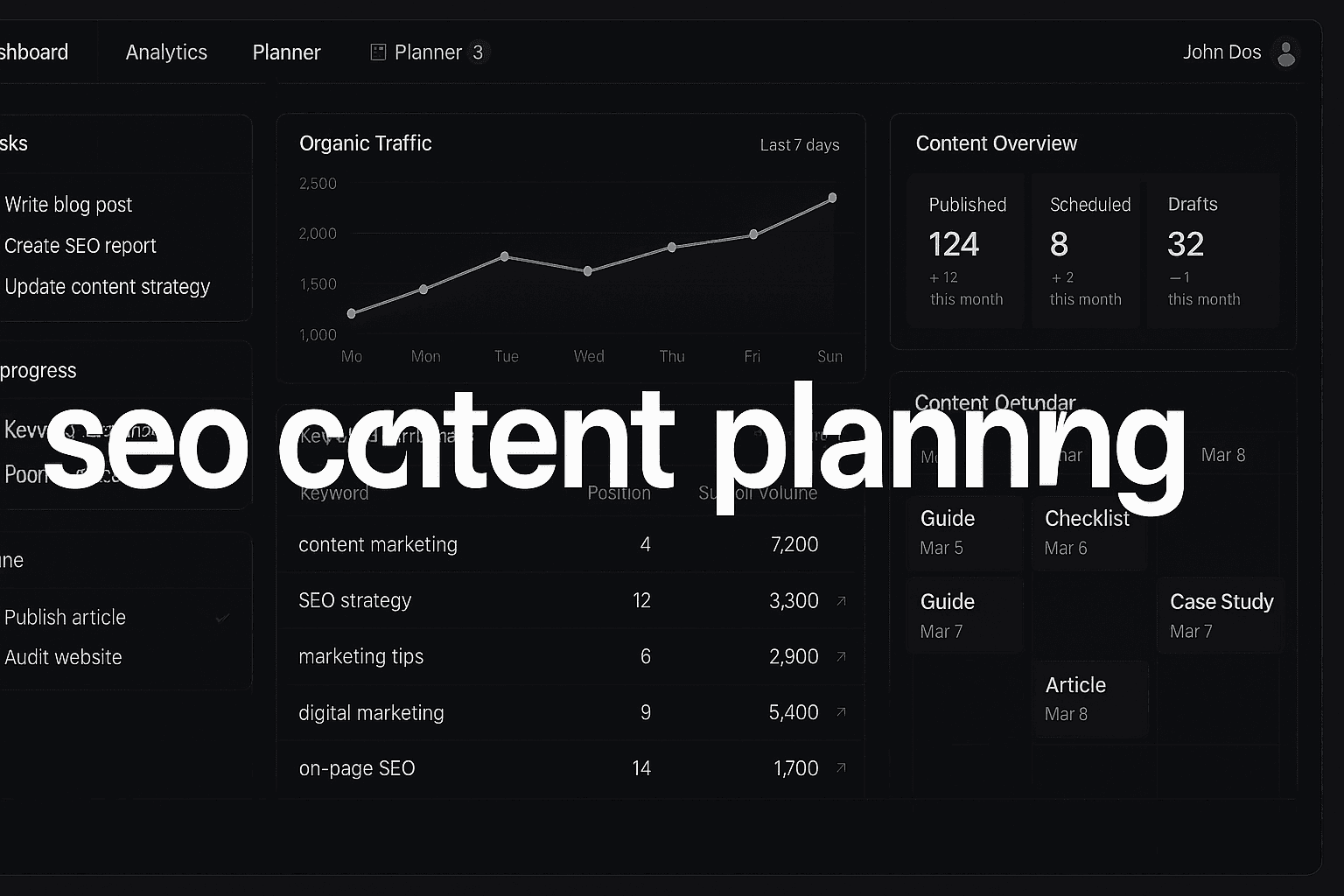
The output of this step should be a 90-day content calendar with specific publication dates, target keywords, content formats, topical clusters, and internal linking relationships. This calendar guides your content creation in Step 4 and ensures each article contributes to your broader authority-building strategy.
Step 4: Create Content Briefs That Guarantee Dual Optimization Success
Traditional content briefs focus on keyword placement, word count, and heading structure. AI-optimized briefs add requirements for factual accuracy, citation-worthiness, comprehensive coverage, and conversational question-answering. Your briefs need to guide writers toward content that satisfies both optimization frameworks simultaneously.
Start each brief with dual keyword targeting. Include your primary keyword for traditional search optimization, but also document the conversational questions that AI users ask about this topic. For example, if your keyword is "project management software," include questions like "What's the best project management software for remote teams?" and "How do I choose project management software?"
Define comprehensive coverage requirements. List the subtopics, questions, and angles that content must address to demonstrate topical authority. AI platforms evaluate whether content covers a topic thoroughly, so your brief should specify what constitutes "complete" coverage rather than just hitting a word count target.
Include specific data and fact requirements. Specify that content must include current statistics (with publication dates), specific examples (not generic scenarios), and verifiable claims (with citation sources). AI platforms prioritize factual accuracy, so briefs should require writers to research and cite specific data points.
Specify structural requirements that serve both ecosystems. Require descriptive H2 and H3 headings that could stand alone as answers to questions. These headings help Google understand content structure while also providing clear, quotable answers that AI platforms can extract and cite.
Define the expertise level and tone. AI platforms evaluate whether content demonstrates genuine expertise or surface-level knowledge. Briefs should specify whether content should be introductory, intermediate, or advanced, and what level of technical detail is appropriate for the target audience.
Include comparison and recommendation requirements where relevant. If the topic involves tools, services, or approaches, specify that content must include specific recommendations with clear criteria for why certain options are better for specific use cases. This recommendation-oriented approach aligns with how AI platforms present information.
Document internal linking requirements. Specify which existing articles should be linked from this content and which future articles will link to it. This ensures each article contributes to your topical cluster strategy and helps both search engines and AI platforms understand the relationships between your content.
Add AI-specific optimization checklist items. Include requirements like "answers the primary question in the first paragraph," "includes specific examples with real company names or tools," "provides step-by-step instructions where applicable," and "uses conversational language that sounds natural when read aloud." These elements improve AI recommendation likelihood.
Specify what to avoid. Include a list of practices that hurt AI visibility: generic advice without specific recommendations, outdated information without publication dates, promotional language that lacks objectivity, and thin content that doesn't add value beyond what AI models already know. Teams using ai generated seo content tools should ensure these quality standards are maintained.
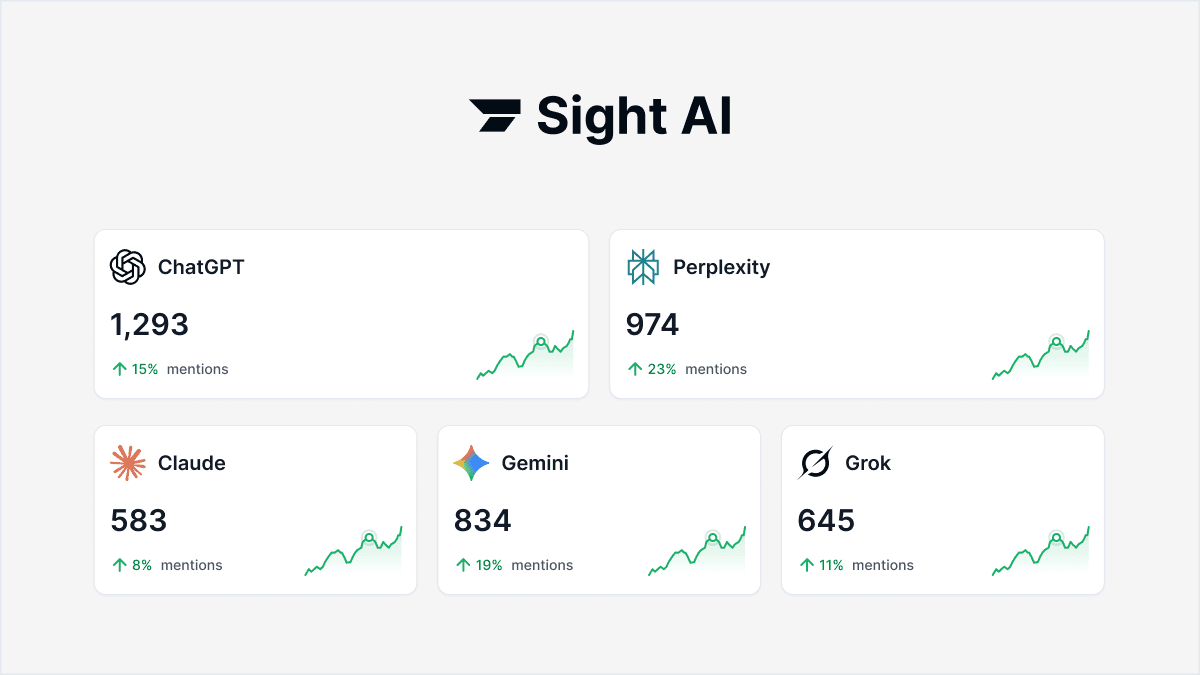
Stop guessing how AI models like ChatGPT and Claude talk about your brand—get visibility into every mention, track content opportunities, and automate your path to organic traffic growth. Start tracking your AI visibility today and see exactly where your brand appears across top AI platforms.