Your ecommerce store just added 200 new products last month. Each one needs a unique, SEO-optimized description. Your category pages need refreshing for the upcoming season. Your blog calendar shows twelve buying guides that need writing. And your content team? They're three people trying to keep up with a catalog that grows every week.
This is the reality for modern ecommerce businesses. While your competitors are launching new products daily and updating their content constantly, you're stuck in a bottleneck where quality content creation simply can't keep pace with inventory growth. The math doesn't work: manual content creation takes hours per product, but your catalog expands by dozens or hundreds of items monthly.
Automated content for ecommerce has emerged as the solution that's reshaping how online retailers approach content production at scale. These AI-powered systems can generate product descriptions, category pages, blog posts, and marketing copy in minutes instead of days—while maintaining the quality and SEO optimization your organic traffic depends on. This article breaks down exactly what automated content systems are, how they work behind the scenes, and how your ecommerce business can implement them effectively without sacrificing the brand voice that makes you unique.
The Ecommerce Content Problem Nobody Talks About
Here's what most ecommerce businesses won't admit: their product pages are quietly killing their organic traffic potential. Not because the products are bad, but because the content describing them is either thin, duplicated, or completely missing.
The scale challenge is real. A small ecommerce site might manage 500 product pages. Mid-sized retailers often handle 2,000 to 5,000 products. Large catalogs can exceed 10,000 SKUs—each one theoretically needing unique, compelling content that serves both search engines and human shoppers. When you do the math on manual content creation, the problem becomes obvious: if each product description takes 30 minutes to research and write, that's 250 hours for just 500 products. For a catalog of 5,000 items? You're looking at 2,500 hours of pure writing time.
But the hidden costs go deeper than time. Manual content creation at scale introduces consistency problems. Different writers have different styles. Quality varies based on who's having a good day and who's burning out from writing their hundredth product description this week. Your brand voice becomes inconsistent across product categories, confusing both customers and search algorithms trying to understand what your site is actually about.
Then there are the SEO gaps that emerge from content backlogs. New products launch without descriptions, so they sit in your catalog generating zero organic traffic. Seasonal updates get delayed because your team is still working through last quarter's content queue. Category pages use generic manufacturer descriptions that twenty other retailers are also using—hello, duplicate content penalty. Your competitors who've solved the content velocity problem are publishing faster, ranking faster, and capturing traffic you should be getting.
Traditional content workflows break down completely when you face product-heavy catalogs and seasonal pressures. The "hire more writers" solution only scales to a point before coordination overhead kills productivity. Outsourcing to agencies or freelancers introduces quality control challenges and communication delays. Meanwhile, your product team keeps adding items to the catalog, your marketing team keeps requesting campaign content, and the backlog just grows.
How Automated Content Systems Actually Work
Automated content for ecommerce isn't magic—it's a sophisticated workflow that combines AI writing engines with your existing product data. Understanding how these systems operate helps you implement them effectively and set realistic expectations about what they can deliver.
The core components work together like a content assembly line. First, there's the AI writing engine—the brain of the operation that actually generates text. Modern systems use specialized language models trained on ecommerce content patterns, product descriptions, and conversion-focused copy. These aren't generic AI writers; they understand product attributes, feature hierarchies, and how to structure content that both informs and sells.
Next comes product data integration. The system needs to pull information from somewhere—usually your product information management system, ecommerce platform database, or product feeds. This integration extracts key details: product names, specifications, features, categories, pricing, availability, and any existing metadata. The richer your product data, the better the automated content becomes. If your product feed only includes basic SKU numbers and prices, the AI has little to work with. If it includes detailed specifications, materials, dimensions, use cases, and competitive differentiators, the content generation for ecommerce becomes substantially more valuable.
Template systems provide the structure and brand voice guidelines that keep automated content consistent. Think of templates as the rules that govern how product data becomes compelling copy. A template might specify: "Start with a benefit-focused opening sentence, follow with three key features formatted as a list, include technical specifications in a table format, and close with a use case example." These templates ensure that whether you're describing running shoes or kitchen appliances, the content follows your brand's established patterns.
The workflow from product feed to published content typically follows four stages. Stage one is data extraction—the system pulls product information from your feeds or databases. Stage two is content generation—the AI processes that data through your templates and brand guidelines to create unique descriptions, category copy, or blog content. Stage three is the review checkpoint—depending on your automation level, this might be a quick human scan for accuracy or an automated quality check against predefined criteria. Stage four is deployment—the approved content gets published directly to your ecommerce platform, updated in your CMS, or queued for scheduled release.
Different automation levels suit different business needs and risk tolerances. Semi-automated assistance keeps humans in the loop at every step. The AI generates draft content, but your team reviews, edits, and approves before anything goes live. This approach works well when you're starting out, dealing with high-value products, or maintaining strict brand voice requirements. It's slower than full automation but faster than writing from scratch.
Full autopilot content pipelines minimize human intervention. The system generates content, runs automated quality checks, and publishes directly to your site—all without manual review for each piece. This level makes sense for large catalogs with similar product types, routine seasonal updates, or low-risk content like basic product specifications. Many ecommerce businesses use a hybrid approach: autopilot for straightforward product descriptions, semi-automated for category pages and featured products, and manual creation for high-stakes content like brand storytelling or major campaign pieces.
Five Ecommerce Content Types Perfect for Automation
Not all ecommerce content benefits equally from automation. Some content types have predictable structures, clear data sources, and high volume requirements—making them ideal candidates for AI-powered generation. Here's where automated systems deliver the most value.
Product Descriptions and Specifications: This is the bread and butter of automated ecommerce content. Product descriptions follow predictable patterns: introduce the product's main benefit, highlight key features, provide technical specifications, and close with use cases or compatibility information. Because this structure is consistent across products in the same category, AI content tools for ecommerce excel at generating unique variations that cover all the necessary information without sounding robotic. The key is feeding the system detailed product data—materials, dimensions, features, benefits—so it has substance to work with beyond generic fluff.
Product Variant Descriptions: Here's where automation really shines. If you sell a jacket in twelve colors and four sizes, you need forty-eight unique product pages to avoid duplicate content issues. Writing unique descriptions for each variant manually is mind-numbing work. Automated systems can generate distinct descriptions that emphasize the specific variant's attributes while maintaining overall product messaging consistency. The blue variant description might focus on versatility and professional settings, while the red variant emphasizes bold style and standout appeal—same product, legitimately unique content.
Category Pages and Collection Descriptions: Category pages are crucial SEO real estate that many ecommerce sites neglect. Automated content systems can generate comprehensive category descriptions that incorporate relevant keywords, explain product selection criteria, highlight featured items, and provide helpful buying guidance. These pages need to be substantial enough to rank well while remaining genuinely useful to shoppers. AI systems can analyze all products within a category, identify common themes and differentiators, and create overview content that helps both search engines and humans understand what the category offers.
Blog Content for Product Education: Buying guides, product comparisons, how-to articles, and seasonal gift guides all follow structures that automation handles well. The system can pull product data, identify complementary items, and create educational content that drives organic traffic while naturally linking to relevant products. A "Best Running Shoes for Beginners" guide can be generated by analyzing your running shoe inventory, extracting key features, and structuring comparison content that helps readers make informed decisions. This content serves dual purposes: attracting search traffic from informational queries and guiding visitors toward product pages.
Seasonal Campaign Content: Holiday promotions, back-to-school campaigns, summer sale announcements—these recurring content needs are perfect for automation because they follow annual patterns with updated product selections. Your system can generate seasonal collection pages, email marketing copy, and promotional blog posts by combining seasonal templates with current inventory data. The structure stays consistent year over year, but the specific products and details refresh automatically based on what's actually in stock and on promotion.
Building Your Automated Content Strategy
Implementing automated content for ecommerce isn't about flipping a switch and letting AI handle everything overnight. The most successful deployments start strategically, focusing on high-impact opportunities where automation delivers immediate value while you refine your approach.
Start by assessing your catalog to identify which products need automated content first. Look for three key opportunities: products with missing or thin descriptions that are generating zero organic traffic, high-volume product categories where manual content creation creates bottlenecks, and product variants that currently share duplicate descriptions. These are your quick wins—areas where automated content will show immediate improvement in search visibility and content completeness.
Your product data feeds are the foundation that determines content quality. Garbage in, garbage out applies completely here. Before implementing automation, audit your product information management. Do your product records include detailed specifications, feature lists, materials, dimensions, and use cases? Or are they limited to basic SKU numbers and prices? The difference matters enormously. Rich product data enables the AI to generate substantive, differentiated content. Sparse data results in thin, generic descriptions that don't help your SEO or your customers.
Invest time in cleaning and enriching your product data before you automate. Add missing specifications, standardize attribute naming conventions, include competitive differentiators, and document product benefits beyond basic features. This upfront work pays dividends across every piece of automated content you generate. Many ecommerce businesses discover that improving their product data structure delivers value even beyond content automation—better data improves site search, filtering, and product recommendations too.
Creating brand voice guidelines and templates is where you teach the AI to sound like your brand, not like every other ecommerce site. Document your brand's personality traits: Are you playful or professional? Technical or accessible? Luxury-focused or value-oriented? Provide example product descriptions that exemplify your ideal voice and tone. Specify formatting preferences: Do you use bullet points or paragraph descriptions? How do you structure technical specifications? What's your approach to calls-to-action?
Build templates for different product types and content formats. Your electronics products might need technical specification-heavy descriptions, while your apparel items need more lifestyle and styling context. Category page templates should differ from individual product templates. Blog post structures should vary based on content type—comparison guides need different frameworks than how-to articles. The more specific your templates and guidelines, the more consistently your automated content workflow will match your brand standards.
Avoiding Common Automation Pitfalls
Automated content systems are powerful, but they're not foolproof. Understanding the common pitfalls helps you build safeguards that maintain quality while scaling content production. Here's what trips up most ecommerce businesses when they first implement automation.
The duplicate content trap catches businesses that automate without proper uniqueness controls. If you sell similar products—say, the same shirt in ten colors—and your automation generates descriptions using identical language with only the color name swapped, search engines will flag that as duplicate content. The solution is building variation into your templates and AI prompts. Instruct the system to emphasize different benefits, use alternative phrasing, and highlight distinct use cases for each variant. A white shirt description might focus on professional versatility and easy care, while the black variant emphasizes timeless style and formal occasions. Same product, legitimately different content angles.
Quality control systems are non-negotiable when you're publishing automated content at scale. Establish review workflows that match your risk tolerance and content volume. High-value products or new product categories might require full human review before publication. Routine product variants in established categories might only need spot-checking—review a random sample of generated content to ensure quality standards are maintained. Set up automated quality checks too: minimum word counts, keyword inclusion verification, readability scores, and brand terminology usage.
Create clear escalation rules for when automated content needs human intervention. If the system generates a description below your minimum word count, flag it for manual review. If certain product attributes are missing from the source data, route those items to a human writer rather than publishing incomplete content. Build feedback loops where your team can mark problematic automated content, and use those examples to refine your templates and AI instructions.
SEO considerations require thoughtful integration of automation with your broader search strategy. Automated content should incorporate target keywords naturally, not through forced repetition that triggers spam filters. Your templates should specify keyword integration points: primary keyword in the opening sentence, related terms distributed throughout the description, and long-tail variations in feature explanations. But the system should prioritize natural, helpful content over keyword density metrics that made sense in 2010 but hurt rankings today. For deeper guidance, explore how AI content for ecommerce SEO balances optimization with readability.
Indexing workflows matter more than most businesses realize. Generating thousands of new product descriptions is pointless if search engines take weeks to discover and index them. Integrate your automated content system with automated indexing for new content. When new content publishes, trigger immediate sitemap updates and use IndexNow protocols to notify search engines about the fresh content. This ensures your automated product descriptions start generating organic traffic quickly rather than sitting in an indexing queue for weeks.
Avoid the thin content penalty by ensuring your automated descriptions provide genuine value. Search engines penalize pages with minimal unique content—a 50-word generic description won't rank, no matter how many keywords you stuff into it. Set minimum content thresholds that force substantive descriptions: at least 150-200 words for standard products, 300+ words for featured items, and comprehensive content for category pages. Quality beats quantity, but at scale, you need both.
Measuring Automated Content Performance
You can't optimize what you don't measure. Tracking the right metrics helps you understand whether your automated content is actually delivering business value or just filling your site with words that don't convert.
Start with organic traffic per product page as your primary success indicator. Before automation, track how many product pages generate zero organic traffic. After implementing automated descriptions, monitor how many previously non-ranking pages start appearing in search results and driving visitors. This metric directly shows whether your automated content is solving the visibility problem. Break this down by product category too—you might discover that automation works brilliantly for electronics descriptions but needs refinement for apparel content.
Conversion rates tell you whether your automated content actually sells products or just attracts clicks. Compare conversion rates between manually written product pages and automated ones. If automated content converts at similar or better rates, you've validated that the quality meets customer expectations. If conversion rates drop significantly, investigate why: Are automated descriptions missing key selling points? Do they lack the emotional appeal that manual copy provides? Use these insights to refine your templates and AI instructions. Understanding the nuances of AI content vs human content for SEO can help you find the right balance.
Time-to-publish metrics demonstrate the efficiency gains from automation. Track how long it takes to get new products fully described and live on your site. Before automation, this might be days or weeks from product data entry to published description. After automation, it should be hours or even minutes. This speed advantage matters competitively—being first to market with well-described products captures early search traffic and sales.
A/B testing automated versus manual content provides concrete validation of quality. Select a product category and create two groups: half get automated descriptions, half get manually written content. Track organic traffic, conversion rates, bounce rates, and time on page for both groups. This controlled comparison removes variables and shows you exactly how automated content performs against your human-written baseline. Many businesses are surprised to find that well-configured automated content performs comparably or even better than rushed manual descriptions written under deadline pressure.
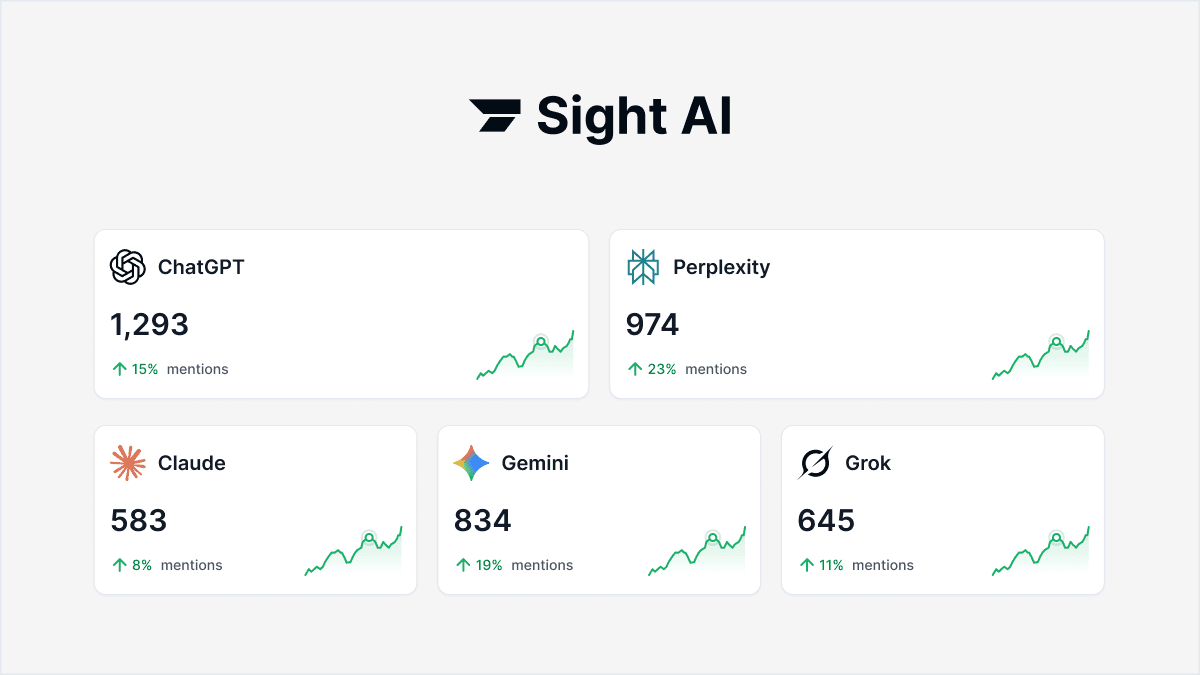
Tracking AI visibility has become increasingly important as AI search engines like ChatGPT, Claude, and Perplexity influence purchasing decisions. When someone asks these AI tools for product recommendations in your category, does your brand get mentioned? Well-structured, comprehensive automated content increases the likelihood that AI models will reference your products when answering relevant queries. Monitor how often your brand appears in AI-generated product recommendations and which content pieces drive those mentions. This emerging metric will only become more critical as AI-powered search grows.
Monitor content freshness and update frequency. One advantage of automation is the ability to refresh content regularly without manual effort. Track how often your product descriptions get updated with new information, seasonal relevance, or current promotions. Stale content hurts rankings—regular automated updates keep your pages fresh and relevant in search algorithms.
Putting It All Together
Automated content for ecommerce isn't about replacing human creativity—it's about amplifying what's possible when you're managing hundreds or thousands of products that all deserve quality content. The businesses winning with automation understand this distinction. They use AI systems to handle the scalable, structured content that bogs down human writers, freeing their teams to focus on high-impact creative work: brand storytelling, campaign concepts, and strategic content that truly requires human insight.
The competitive advantage is real and measurable. While your competitors are still manually writing product descriptions one at a time, you're publishing complete, optimized content for entire product categories in the time it used to take to describe a single item. You're launching new products with comprehensive descriptions from day one, capturing early search traffic instead of letting those pages sit empty for weeks. You're maintaining content freshness across your entire catalog, not just the handful of priority products that get manual attention.
Start with these actionable next steps. First, audit your current content gaps. Identify how many product pages have missing, thin, or duplicate descriptions. Quantify the opportunity—these gaps represent lost organic traffic and sales you're leaving on the table. Second, prioritize your high-impact categories. Which product groups would benefit most from immediate automated content? Where are your biggest bottlenecks? Focus your initial automation efforts where they'll deliver the most visible improvement.
Third, clean and enrich your product data before you automate. Review your product information management system and fill in missing specifications, features, and benefits. Remember: rich input data creates valuable output content. Fourth, explore AI content tools designed specifically for ecommerce workflows. Generic AI writers won't understand product catalogs, variant management, or ecommerce SEO requirements. Look for systems built to integrate with your platform, handle product feeds intelligently, and maintain consistency across thousands of SKUs.
But here's what most ecommerce businesses miss: automated content is just one piece of the visibility puzzle. You're generating all this optimized product content, but do you know how AI search engines are actually talking about your brand? When potential customers ask ChatGPT or Perplexity for product recommendations in your category, are you getting mentioned? Understanding your AI visibility—where your brand appears across AI platforms and what prompts trigger those mentions—is becoming as critical as traditional SEO.
Start tracking your AI visibility today and see exactly where your brand appears across top AI platforms. Stop guessing how AI models reference your products and get concrete data on mention frequency, sentiment, and content opportunities. Combine that intelligence with your automated content strategy, and you're not just scaling content production—you're building a systematic approach to dominating both traditional search and the AI-powered discovery channels that are reshaping how customers find products.