You hit publish on what might be your best article yet. The research was thorough, the writing was sharp, and the SEO boxes were all checked. You refresh Google Search Console the next day, expecting to see your masterpiece indexed and ready to climb the rankings.
Nothing.
A week passes. Still nothing. Two weeks later, your content finally appears in Google's index—but by then, three competitors have already published similar pieces and claimed the top spots. The traffic you were counting on? It's going to someone else.
This is the slow content indexing problem, and it's quietly sabotaging content strategies across the web. While you're waiting for search engines to discover and process your pages, opportunities evaporate. Trending topics become yesterday's news. Seasonal content misses its window. Competitive advantages disappear before they materialize.
The frustrating part? Most marketers treat slow indexing as an inevitable reality—something you just have to accept as part of doing SEO. But it's actually a solvable technical challenge with clear causes and practical solutions. Understanding why search engines take their time with your content, and knowing how to accelerate the process, can transform your entire content marketing timeline.
The Crawling Gauntlet: Why Discovery Takes So Long
Search engines don't sit around waiting for you to publish new content. They operate on their own schedules, allocating resources based on priorities you don't control. This is where the concept of crawl budget becomes critical.
Think of crawl budget like this: Google has a finite amount of server resources to dedicate to crawling the entire internet. Your website gets a slice of that budget based on how important Google thinks you are. High-authority sites with frequent updates and clean technical foundations get crawled multiple times per day. Newer sites or those with sporadic publishing schedules might only see a crawler once every few weeks.
Several factors influence how much crawl budget you receive. Site authority plays a major role—domains with strong backlink profiles and established trust signals get prioritized. Update frequency matters too. If you publish daily and your content consistently proves valuable, crawlers learn to check back more often. On the flip side, if you publish once a month, search engines adjust their crawl frequency accordingly.
Technical health is the third pillar. Sites that respond quickly to crawl requests, maintain clean code, and avoid server errors get rewarded with more frequent visits. Sites that serve slow pages, throw frequent errors, or have convoluted structures get deprioritized—search engines don't want to waste resources on problematic sites. Understanding slow content discovery by search engines helps you identify where your site falls on this spectrum.
But here's where many marketers get confused: crawling isn't indexing. These are distinct stages in the content discovery pipeline, and delays can occur at either point.
Crawling is the discovery phase. A search engine bot visits your page, downloads the HTML, and adds it to a processing queue. Indexing is the analysis phase—the search engine parses your content, understands what it's about, determines its quality, and decides whether to add it to the searchable index. Ranking comes last, when the indexed page competes for visibility in actual search results. For a deeper dive into these distinctions, explore the content indexing vs crawling differences.
Your content can get stuck at any of these stages. A page might be crawled within hours but sit in the indexing queue for weeks. Or it might get indexed quickly but fail to rank due to quality or relevance issues. Understanding these distinctions helps you diagnose where your bottleneck actually exists.
Spotting the Red Flags in Your Index Coverage
Google Search Console's Index Coverage report is your diagnostic dashboard for indexing problems. If you're not checking this regularly, you're flying blind.
Navigate to the Coverage section and look at the "Excluded" category. This is where indexing problems reveal themselves. The most common warning sign is pages stuck in "Discovered - currently not indexed" status. This means Google found the URL—probably through your sitemap or an internal link—but hasn't bothered to actually index it yet. If you're wondering why your content is not indexing, this status is often the first clue.
Why would Google discover a page and not index it? Usually because it doesn't think the page is important enough to warrant the resources. Low-quality content, thin pages with minimal value, or duplicate content often get this treatment. But sometimes perfectly good pages get stuck here simply because your site lacks the authority to demand immediate attention.
Another troubling status is "Crawled - currently not indexed." This is worse. Google actually visited your page, analyzed it, and decided it wasn't worth including in the index. This typically indicates quality concerns, duplicate content issues, or pages that Google considers low-value.
The hidden cost of these indexing delays extends beyond just missing traffic. When you're trying to capitalize on trending topics, a two-week indexing delay means you've already missed the conversation. Your well-researched piece on a breaking industry development arrives after everyone has moved on. These content indexing delays costing traffic add up quickly over time.
Competitive positioning suffers too. If your competitors have better crawl budgets and faster indexing, they're claiming search visibility while your equivalent (or better) content sits in limbo. By the time you finally get indexed, you're fighting an uphill battle against established pages that already have engagement signals and backlinks.
Seasonal content faces the harshest consequences. Publish a comprehensive holiday shopping guide in early November that doesn't get indexed until late November, and you've wasted the entire effort. The window for traffic has already closed.
The Technical Roadblocks Killing Your Indexing Speed
Slow indexing rarely happens without cause. Usually, technical issues are creating friction in the discovery and processing pipeline.
Server response time is often the first culprit. When a search engine bot requests your page and your server takes three seconds to respond, that's a red flag. Crawlers operate on tight schedules—they want to grab your content and move on. Slow servers waste their time, and they respond by crawling your site less frequently. If your hosting is underpowered or your site is bogged down with unoptimized code, you're creating your own indexing delays.
Redirect chains create similar problems. When URL A redirects to URL B, which redirects to URL C, which finally lands on URL D, you've built a maze that crawlers have to navigate. Each redirect costs time and crawl budget. Search engines may give up halfway through the chain, or they may complete it but mark your site as inefficient. Clean up your redirects—every URL should point directly to its final destination in a single hop.
Crawl errors compound the problem. If search engines encounter frequent 404 errors, server timeouts, or DNS failures when trying to access your content, they start treating your entire site as unreliable. This damages your crawl budget allocation and slows down discovery of new content. Addressing these content indexing speed issues should be a priority for any serious content operation.
Poor internal linking is one of the most common yet overlooked issues. Search engines discover new content primarily by following links from already-indexed pages. If you publish a new article but don't link to it from anywhere on your site, it becomes an orphaned page—invisible unless search engines happen to find it in your sitemap.
Even then, orphaned pages signal low importance. If you're not willing to link to your own content from relevant existing pages, why should search engines prioritize indexing it? Strong internal linking isn't just good for user experience—it's a direct signal about content priority and site structure.
XML sitemap problems create their own category of indexing delays. An outdated sitemap that doesn't include your newest content means search engines have no roadmap to find it. A sitemap with incorrect priority signals might tell crawlers that your best content is low-priority. Malformed sitemaps with syntax errors can be ignored entirely.
Many sites generate sitemaps automatically but never verify they're being updated correctly. You publish new content, but the sitemap still reflects last month's inventory. Search engines check your sitemap, see nothing new, and move on to other sites.
The New Tools Changing the Indexing Game
For years, the standard advice was simple: publish good content, submit your sitemap, and wait. The indexing timeline was largely out of your control. That's changing.
The IndexNow protocol represents a fundamental shift in how content discovery works. Instead of waiting for search engines to eventually crawl your site and notice new content, IndexNow lets you proactively notify them the instant you publish or update a page.
Here's how it works: when you publish new content, your site sends a simple API request to participating search engines with the URL of the new or updated page. The search engine receives this notification in real-time and can prioritize crawling and indexing that specific URL immediately. This content indexing API integration approach is becoming essential for competitive publishers.
Microsoft Bing and Yandex currently support IndexNow, with other search engines exploring adoption. While Google hasn't officially joined the protocol, the principle of instant notification is gaining traction across the industry. The advantage is clear: instead of relying on scheduled crawls that might happen days or weeks later, you're putting your content on the fast track.
Automated sitemap management solves another piece of the puzzle. Modern content management systems and SEO tools can automatically update your XML sitemap the moment you publish new content, then ping search engines to notify them of the change. This eliminates the manual step of sitemap submission and ensures search engines always have current information about your site structure.
Some platforms take this further with instant ping systems that notify multiple search engines simultaneously whenever content changes. These systems integrate directly into your publishing workflow, making indexing acceleration automatic rather than something you have to remember to do manually. Exploring automated content indexing tools can help you find the right solution for your workflow.
Building a content publishing workflow that prioritizes indexing speed means thinking about discovery from the moment you hit publish. This includes immediate sitemap updates, IndexNow notifications, strategic internal linking from high-authority pages, and social sharing that creates early signals of content value.
The goal is to eliminate the waiting period between publication and discovery. Every hour your content sits undiscovered is an hour of missed opportunity. Modern tools make it possible to compress that timeline from weeks to hours or even minutes.
Designing Your Site for Maximum Crawl Efficiency
Fast indexing doesn't happen by accident. It requires intentional site architecture and consistent content practices that make it easy for search engines to discover and process your pages.
Site structure matters more than most marketers realize. A flat architecture—where every page is accessible within three clicks from the homepage—ensures that crawlers can reach your entire site efficiently. Deep hierarchies with content buried six or seven levels down create discovery delays. Search engines may never reach those pages, or they may deprioritize them as less important.
Your homepage and other high-authority pages should function as distribution hubs. These are the pages search engines crawl most frequently, so they're your best opportunity to surface new content. When you publish something new, link to it from your homepage, from relevant category pages, and from related articles. This creates multiple pathways for crawlers to discover it.
Internal linking habits make the difference between content that gets indexed quickly and content that languishes in obscurity. Every time you publish a new piece, identify 3-5 existing articles where a contextual link makes sense. Update those articles to include links to your new content. This immediately creates crawl pathways and signals that the new content is connected to your existing authority. Learning how to improve content indexing speed starts with mastering these fundamentals.
Reciprocal linking helps too. When you link out to older content from new articles, you're refreshing those pages and giving crawlers reasons to revisit them. This keeps your entire content ecosystem active and frequently crawled.
Monitoring indexing velocity as a KPI changes how you think about content performance. Instead of just tracking rankings and traffic, measure how quickly your pages get indexed after publication. Set benchmarks: if your average time-to-index is currently 14 days, work to bring it down to 7 days, then 3 days, then same-day indexing.
Track which types of content get indexed fastest. You might discover that comprehensive guides get prioritized over short posts, or that certain topic categories consistently index faster than others. Use these insights to inform your content strategy and publishing priorities. Implementing content indexing speed optimization practices can dramatically improve these metrics.
Regular technical audits catch indexing problems before they compound. Check your server response times monthly. Review your redirect chains quarterly. Verify your sitemap is updating correctly with every publish. Monitor your Index Coverage report for new exclusions or errors. Small technical issues become major indexing bottlenecks when left unaddressed.
Your Action Plan for Faster Content Discovery
Solving the slow content indexing problem requires both immediate fixes and ongoing process improvements. Start with the technical foundations: audit your server performance, clean up redirect chains, fix crawl errors, and ensure your XML sitemap is current and correctly formatted.
Implement IndexNow or similar instant notification protocols to proactively alert search engines when you publish new content. Set up automated sitemap updates that trigger with every content change. These technical implementations create the infrastructure for fast indexing.
Build internal linking into your publishing workflow. Before you hit publish on any new piece, identify existing pages where relevant links make sense and add them. Create a habit of updating older content to reference newer articles. This keeps your entire site interconnected and easily crawlable.
The competitive advantage of faster indexing is real and measurable. When your content gets discovered and indexed within hours while competitors wait weeks, you're first to market on trending topics. You capture search visibility before the competition even appears. You maximize the value of time-sensitive content by ensuring it's discoverable during its peak relevance window.
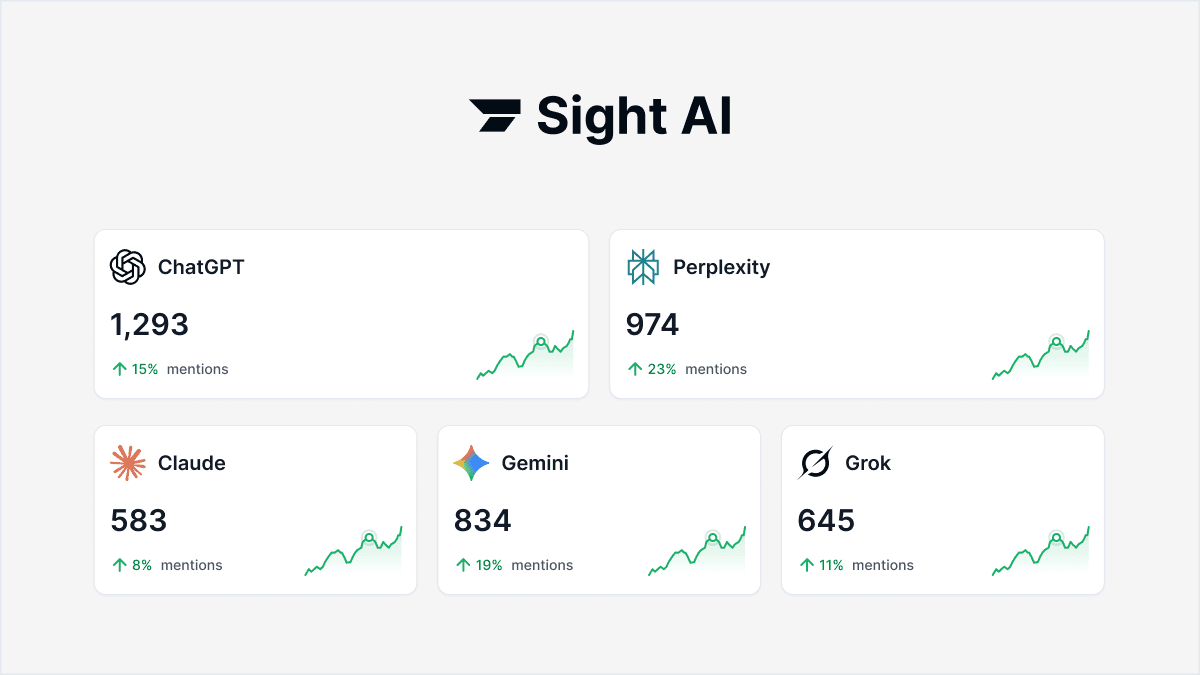
Modern tools have made indexing acceleration accessible to teams of all sizes. You don't need enterprise-level resources to implement these strategies—you need awareness of the problem and commitment to the solution. Start tracking your AI visibility today and see exactly where your brand appears across top AI platforms, while ensuring your content gets discovered the moment you publish it.
The Path Forward: Making Instant Indexing Your Standard
Slow content indexing isn't an inevitable reality you have to accept. It's a technical challenge with documented causes and proven solutions. The difference between sites that get indexed in hours versus weeks comes down to technical health, site architecture, and proactive discovery workflows.
As search evolves and AI-powered discovery becomes more prominent, speed-to-index will only become more critical. The window for capturing attention around trending topics continues to shrink. The competition for visibility intensifies. The sites that win will be those that treat indexing velocity as a core competitive advantage rather than an afterthought.
AI-powered tools are making instant indexing accessible to teams that previously had to wait and hope. Automated workflows, real-time notifications, and intelligent site architecture are no longer enterprise-only capabilities. They're becoming standard expectations for any serious content operation.
The question isn't whether fast indexing matters—it clearly does. The question is whether you're willing to treat it as a priority. Every day your content sits undiscovered is a day of missed opportunity. The tools and knowledge to fix this problem already exist. Now it's about implementation.