Every marketing team faces the same bottleneck: you know content drives organic traffic, but producing high-quality SEO articles at scale feels like choosing between speed and substance. Publish quickly, and quality suffers. Obsess over perfection, and your competitors flood the SERPs while you're still editing. The result? Content calendars that slip, keyword opportunities that expire, and growth targets that remain frustratingly out of reach.
The solution isn't working harder or hiring more writers. It's implementing a structured SEO content generation workflow—a repeatable system that transforms keyword research into published, indexed content without sacrificing quality or burning out your team. Think of it as your content assembly line, where each stage feeds seamlessly into the next, and bottlenecks get identified and eliminated before they derail your entire production schedule.
This framework addresses something most content guides ignore: the complete journey from identifying a keyword opportunity to seeing that content appear in search results and AI model responses. Because here's what's changed in 2026—ranking on Google is only half the battle. Your content also needs to be structured and authoritative enough that AI models like ChatGPT, Claude, and Perplexity reference your brand when users ask relevant questions. That's the new frontier of organic visibility, and your workflow needs to account for it.
Building a Content Pipeline That Actually Performs
A high-performing SEO content generation workflow operates in five distinct stages: research, planning, creation, optimization, and distribution. Each stage has specific inputs, outputs, and quality checkpoints. Miss one, and you'll feel the impact downstream—like trying to optimize content that was never properly researched, or publishing articles that sit unindexed for weeks because nobody handled the technical distribution steps.
The research stage identifies what to write about. You're analyzing search volumes, competition levels, and user intent to build a prioritized content queue. This feeds into planning, where each topic becomes a structured brief with target keywords, required sections, internal linking opportunities, and success metrics. Creation transforms those briefs into drafts—this is where AI content generation tools have revolutionized speed without necessarily sacrificing quality, provided you're using specialized agents rather than generic text generators.
Optimization is your quality gate. On-page elements get refined, technical SEO boxes get checked, and content gets reviewed against the brief's requirements. Finally, distribution handles publication, indexing, and promotion—the unglamorous final mile where many workflows break down. Content sits in draft limbo, or gets published but never properly submitted to search engines, or lacks the internal linking structure that helps it gain authority.
Why does this sequential approach outperform ad-hoc content creation? Because it creates accountability and eliminates decision fatigue. Your team isn't constantly asking "what should we write next?" or "is this good enough to publish?" The workflow answers those questions through documented criteria at each stage. When a piece moves from creation to optimization, it's because it met the creation stage's exit criteria. When it publishes, it's because it passed optimization checkpoints.
The most sophisticated workflows include feedback loops. Performance data from published content—rankings, traffic, engagement, AI mentions—flows back into the research stage to refine future topic selection. You learn which content types drive results for your audience, which keyword clusters build topical authority, and which formats get referenced by AI models. This transforms your workflow from a one-way pipeline into a continuously improving system.
Strategic Research That Scales Beyond Single Keywords
Traditional keyword research treats each term as an isolated opportunity: find a keyword, write an article, move on. This approach worked when Google's algorithm was simpler, but modern search prioritizes topical authority. Search engines want to see that you've comprehensively covered a subject area, not just cherry-picked high-volume keywords. That's where topic clustering methodology becomes essential.
Topic clusters organize your content around pillar pages and supporting articles. Your pillar page covers a broad topic comprehensively—think "SEO content generation workflow" as the pillar. Supporting articles dive deep into specific aspects: keyword research techniques, on-page optimization checklists, content brief templates. Each supporting article links back to the pillar, and the pillar links out to relevant supporting pieces. This internal linking structure signals topical authority to search engines while creating a better user experience.
Identifying content gaps within your chosen topic clusters reveals your highest-impact opportunities. Look at what competitors have published, what questions appear in "People Also Ask" boxes, and what related searches Google suggests. Conducting a thorough SEO content gap analysis helps you find topics where search demand exists but quality content is scarce. These represent your best chances to establish authority quickly, because you're not fighting entrenched competitors for attention.
Search intent alignment matters more than raw search volume. A keyword with 10,000 monthly searches is worthless if the intent doesn't match what you offer. Informational intent ("what is X?") requires different content than commercial intent ("best X for Y") or transactional intent ("buy X online"). Your workflow needs an intent classification step during research, because it determines content format, depth, and calls-to-action.
Here's what's changed in 2026: you also need to consider AI visibility during topic selection. Some content topics get frequently referenced by AI models when users ask questions, while others rarely appear in AI responses despite strong traditional search rankings. Content that explains concepts, provides frameworks, or offers step-by-step guidance tends to get cited by AI models. Listicles of products or services, comparison posts, and how-to guides also perform well in AI search contexts.
This means your research stage should ask: "Will this content be valuable enough that AI models reference it?" Not every article needs AI visibility—transactional pages converting existing traffic serve a different purpose. But for content meant to build brand awareness and establish authority, being mentioned by ChatGPT or Claude when users ask relevant questions is becoming as valuable as ranking on Google's first page.
Transforming Briefs Into Search-Optimized Drafts
The content brief is your blueprint. Without it, writers make assumptions about structure, depth, and optimization priorities. With it, you ensure consistency across your content library and make the creation stage predictable. A comprehensive SEO content brief template includes the target keyword and related semantic terms, clearly defined search intent, required H2 and H3 section structure, internal linking opportunities to existing content, external sources to reference for credibility, and target word count based on competitive analysis.
This level of detail might seem excessive, but it eliminates the back-and-forth that slows production. Writers aren't guessing what sections to include or how deep to go on each point. Editors aren't rewriting entire pieces because the structure missed the mark. The brief aligns everyone on what success looks like before a single word gets written.
AI writing tools have fundamentally changed the creation stage, but not all AI content is created equal. Generic text generators produce surface-level content that lacks depth and often requires extensive editing. The breakthrough comes from specialized AI agents trained for specific content types—explainer articles, listicles, comparison guides, how-to tutorials. These AI-powered SEO content writers understand the structural and tonal requirements of each format, producing drafts that need refinement rather than complete rewrites.
The key is using AI as a draft accelerator, not a replacement for editorial judgment. An AI agent can transform a detailed brief into a structured 2,500-word draft in minutes, handling research synthesis, section organization, and basic optimization. Human editors then refine for brand voice, add unique insights from company expertise, and ensure claims are accurate and well-supported. This division of labor lets you scale content production without scaling headcount proportionally.
Balancing search optimization with genuine reader value remains the central challenge. Perfect on-page SEO means nothing if users bounce after ten seconds because your content is thin, repetitive, or fails to answer their question. Search engines have become sophisticated at detecting this disconnect—dwell time, bounce rate, and engagement signals influence rankings. Your workflow needs quality gates that ask: "Does this content actually help someone?" not just "Does it include the target keyword enough times?"
Thin content fails even with flawless technical SEO because it doesn't earn links, doesn't get shared, and doesn't satisfy user intent. The workflow solution is building depth requirements into your briefs: minimum word counts based on competitive analysis, requirements for original examples or data, and mandates to address common follow-up questions. This ensures drafts start with substance, not just keyword placement.
Optimization Checkpoints That Ensure Search Performance
On-page optimization is where strategic planning meets technical execution. Your H-tag hierarchy needs to be logical and keyword-rich without being spammy. The H1 (page title) should include your target keyword naturally. H2 subheadings break content into scannable sections while incorporating semantic variations of your main keyword. H3 tags organize complex sections without diluting topical focus. This structure helps both search engines understand your content's organization and readers navigate to the information they need.
Meta descriptions don't directly impact rankings, but they dramatically affect click-through rates from search results. Your workflow should include writing compelling meta descriptions that incorporate the target keyword, communicate clear value, and stay within the 155-160 character limit to avoid truncation. Think of them as ad copy for organic search—they're competing with nine other results for attention.
Semantic keyword integration means using related terms and phrases naturally throughout your content. If your target keyword is "SEO content generation workflow," semantic variations include "content creation process," "SEO content pipeline," "organic content strategy," and "search-optimized content production." These variations signal topical comprehensiveness to search engines while making your content read naturally instead of keyword-stuffed. Following content SEO best practices ensures you're optimizing without over-optimizing.
Internal linking strategy deserves its own workflow step, not an afterthought during final review. Every new article should link to 3-5 relevant existing articles on your site, and you should update 2-3 older articles to link back to the new content. This creates the interconnected web that builds topical authority and distributes page authority throughout your site. Your workflow needs a system for identifying these linking opportunities—whether that's a content database, spreadsheet tracker, or automated tool that suggests relevant internal links based on topic similarity.
Schema markup helps search engines understand your content's structure and context. Article schema communicates publication date, author, and headline. FAQ schema can make your content eligible for rich results in search. HowTo schema structures step-by-step instructions in a way that search engines can parse and display. Implementing schema isn't optional for competitive niches—it's a technical requirement that your workflow must address, either through manual addition or automated implementation via your CMS.
Technical SEO considerations at the content level include image optimization with descriptive alt text, ensuring mobile responsiveness, checking page load speed, and validating that no broken links exist. These elements don't make bad content good, but they prevent technical issues from undermining otherwise solid content. Your optimization checklist should include these technical verifications before content moves to the distribution stage.
The Critical Final Mile: Publication and Indexing
Content that sits unpublished is content that generates zero results. Content that's published but unindexed is nearly as useless—if search engines haven't crawled and added it to their index, it can't appear in search results. This final mile of your workflow determines how quickly your content starts driving organic traffic, yet it's where many teams have the weakest processes.
Manual publishing workflows create bottlenecks. Content sits in review queues, waits for someone to upload it to the CMS, needs formatting adjustments, requires image optimization, and finally gets published days or weeks after it was marked "ready." Each delay is lost opportunity—your competitors are publishing, your keyword opportunities are aging, and your content calendar is slipping. Implementing SEO content workflow automation eliminates these bottlenecks by connecting your content creation tools directly to your CMS, allowing approved content to go live automatically on scheduled dates.
Getting indexed quickly after publication is equally critical. Traditional indexing relies on search engine crawlers discovering your new content, which can take days or weeks for newer sites with less authority. Your sitemap helps by listing all your content in one place, but search engines still crawl sitemaps on their own schedule. Waiting passively for indexing means your content exists in a visibility void—published but invisible to search traffic.
IndexNow protocol changes this dynamic. It's an open standard that lets you notify search engines instantly when you publish, update, or delete content. Instead of waiting for crawlers, you're pushing notifications directly to search engines that support the protocol. Microsoft Bing and Yandex have adopted IndexNow, and the ecosystem is growing. Understanding content indexing speed impact on SEO helps you prioritize this often-overlooked step in your workflow.
Automated sitemap updates ensure search engines always have current information about your content. When you publish new articles, your sitemap should automatically regenerate and resubmit to search engines. When you update existing content, those changes should be reflected in your sitemap's last-modified dates. This automation removes the manual work of sitemap maintenance while ensuring search engines have accurate information for crawling priorities.
The combination of auto-publishing and automated indexing creates a true end-to-end workflow. Content moves from approved draft to live, indexed, and discoverable without manual intervention at each step. This doesn't mean eliminating human oversight—you still need editorial review and quality gates. It means eliminating the administrative tasks that slow down your content pipeline without adding value.
Performance Tracking That Drives Continuous Improvement
Measuring content success requires looking beyond rankings. A first-page ranking is meaningless if it drives no traffic because the search volume was overestimated. High traffic is hollow if users bounce immediately because the content doesn't match their intent. Your workflow needs a measurement framework that connects content performance to business outcomes, not just vanity metrics.
Organic traffic is your primary indicator—how many visitors are search engines sending to each piece of content? Track this over time to identify content that's gaining traction versus pieces that never found an audience. But segment this traffic by source: Google versus Bing versus other search engines, and increasingly, traffic from AI-powered search experiences like ChatGPT's web browsing or Perplexity's answer engine.
Engagement metrics reveal whether your content satisfies user intent. Average time on page, scroll depth, and bounce rate tell you if visitors are consuming your content or leaving disappointed. High engagement signals that you've matched content to intent effectively. Low engagement suggests a disconnect—either the content doesn't deliver on the headline's promise, or you're ranking for the wrong search queries.
Conversion tracking connects content to business results. If your goal is lead generation, are content visitors filling out forms? If it's product sales, are they adding items to cart? Not every piece of content needs direct conversion tracking—awareness content serves a different purpose than decision-stage content. But your workflow should classify content by funnel stage and apply appropriate success metrics.
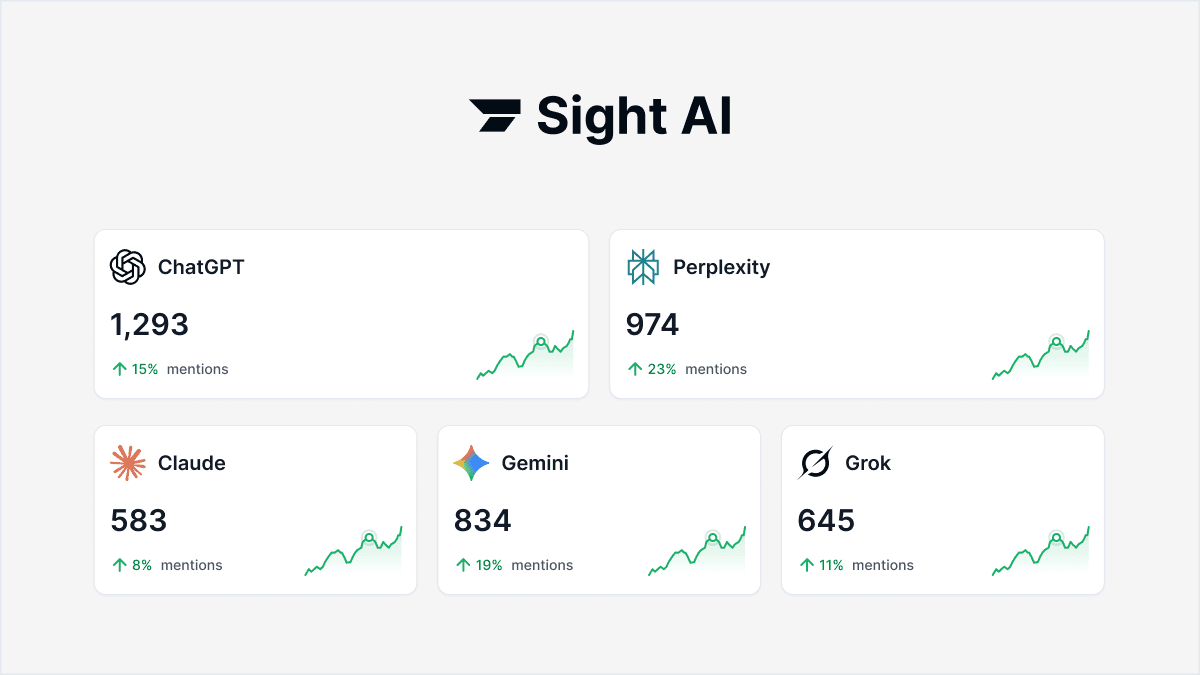
AI mention tracking is the emerging metric that most content teams aren't monitoring yet. When users ask AI models questions related to your expertise area, does your brand get mentioned? Are you cited as a source? Do AI models recommend your products or services in relevant contexts? This visibility is becoming as valuable as traditional search rankings, because it captures users who are bypassing search engines entirely and going straight to AI assistants for answers.
Using performance data to refine your workflow means closing the feedback loop. Content that performs well reveals what's working—those topics, formats, and optimization approaches should inform future briefs. Content that underperforms despite proper execution might indicate keyword opportunities that looked good in research but don't convert, or search intent mismatches that need better classification in your research stage. The workflow becomes a learning system, getting more effective with each content cycle.
Building a content calendar that balances new production with optimization of existing assets prevents the trap of only creating new content while your archive stagnates. High-performing content that's six months old might rank on page two—a refresh and re-optimization could push it to page one. Understanding content freshness signals for SEO helps you prioritize which pieces to update. Your workflow should include scheduled reviews of existing content, not just a pipeline for new articles.
Your Framework for Sustainable Content Growth
The most effective SEO content generation workflow isn't the one with the most sophisticated tools or the largest team. It's the one that's documented, repeatable, and continuously improving based on real performance data. Every stage from keyword research to indexing should have clear ownership, defined quality standards, and measurable outputs. This structure transforms content production from a chaotic scramble into a predictable system that scales with your business.
Strategic planning sets the foundation—understanding what is SEO content strategy and which keywords align with user intent helps you build topical authority through thoughtful cluster strategies. The right automation eliminates bottlenecks—AI writing agents accelerate draft creation, auto-publishing removes manual steps, and automated indexing ensures content becomes discoverable immediately. But automation serves strategy, not the other way around. The workflow's purpose is freeing your team to focus on creativity, unique insights, and strategic decisions rather than repetitive administrative tasks.
What's changed in 2026 is the expanded definition of content success. Traditional SEO metrics—rankings, organic traffic, backlinks—remain important, but they're no longer sufficient. AI visibility is emerging as equally critical for brand awareness and organic discovery. Your content needs to be structured and authoritative enough that AI models reference your brand when users ask relevant questions. This means optimizing not just for search engine algorithms, but for the language models that are increasingly mediating how people discover information.
The framework outlined here works whether you're a solo marketer publishing five articles monthly or an agency producing fifty. Learning how to scale SEO content production starts with maintaining the sequential structure and feedback loops regardless of volume. Document your process so new team members can contribute immediately rather than learning through trial and error. Build quality checkpoints that prevent subpar content from advancing to the next stage. And most importantly, measure what matters—connect content performance to business outcomes, not just engagement vanity metrics.
Stop guessing how AI models like ChatGPT and Claude talk about your brand—get visibility into every mention, track content opportunities, and automate your path to organic traffic growth. Start tracking your AI visibility today and see exactly where your brand appears across top AI platforms, while using integrated content generation and indexing tools to turn insights into published, discoverable articles that build both traditional search rankings and AI visibility simultaneously.