Publishing consistent, high-quality content on WordPress is one of the biggest challenges marketers and founders face. Between keyword research, writing, optimization, and manual publishing, content creation can consume 10+ hours per week—time that could be spent on strategy and growth.
Content autopilot systems solve this by automating the entire workflow from ideation to publication. This guide walks you through setting up a content autopilot for your WordPress site, covering everything from choosing the right tools to configuring automatic publishing.
By the end, you'll have a hands-off content engine that keeps your blog active while you focus on higher-value work.
Step 1: Evaluate Your WordPress Setup and Content Goals
Before diving into automation, you need to understand what you're working with. Think of this like preparing your kitchen before cooking—you need to know what ingredients and tools you already have.
Start by checking your WordPress version. Content autopilot systems require WordPress 4.7 or later because that's when the REST API became available. Log into your WordPress dashboard and look at the footer—you'll see your version number there. If you're running anything older than 4.7, update before proceeding.
Next, verify your hosting environment supports API requests. Some budget hosting providers block REST API access for security reasons. Contact your host or try accessing your site's REST API directly by visiting yoursite.com/wp-json/ in your browser. If you see JSON data instead of an error, you're good to go.
Now define your content frequency goals. Be realistic here. Daily publishing sounds impressive, but if you're in a niche industry, three quality posts per week might serve you better than seven mediocre ones. Consider your audience's consumption patterns and your capacity to monitor performance.
Identify the content types that align with your strategy. Are you focusing on how-to guides that capture bottom-of-funnel search intent? Listicles that attract social shares? Industry news commentary that positions you as a thought leader? Your autopilot system needs to know what formats to prioritize when handling AI generated content for blogs.
Document the technical requirements you'll need. This includes admin-level WordPress access, the ability to create application passwords, and permissions to install plugins if your chosen solution requires one. If you're working within an agency or larger organization, get these approvals now rather than hitting roadblocks later.
Success indicator: You have a clear picture of your WordPress capabilities, a defined publishing schedule, and documented access requirements ready for the next step.
Step 2: Choose an AI Content Platform with WordPress Integration
Not all AI content platforms are created equal, especially when it comes to WordPress automation. You need a system that goes beyond just generating text—it needs to handle the entire publishing pipeline.
Look for platforms that offer true autopilot functionality. This means the system can generate content, optimize it for SEO, format it properly, and publish it to your WordPress site without you touching anything. Many tools claim to be "automated" but still require manual copy-pasting or formatting work.
SEO optimization capabilities matter more than you might think. The platform should handle meta descriptions, proper heading structure, internal linking opportunities, and keyword density automatically. If you're manually optimizing every piece of content after generation, you're defeating the purpose of automation.
Multiple content format support gives you flexibility. Your content strategy will evolve, and you don't want to be locked into only producing one type of article. Look for platforms that can generate guides, listicles, explainers, and comparison articles from the same interface.
Direct CMS publishing is non-negotiable. Some platforms export content as documents that you then upload manually. That's not autopilot—that's just assisted writing. You need a platform with native WordPress integration that publishes directly to your site, similar to a dedicated AI content tool for WordPress.
IndexNow support accelerates your content's discovery by search engines. This protocol immediately notifies Bing and Yandex when new content goes live, rather than waiting for them to crawl your site naturally. It's a massive advantage for getting your content indexed quickly.
Verify the platform can handle your content volume requirements. If you're planning to publish daily, make sure the platform's pricing and technical limits support that frequency. Some tools have monthly article caps that might constrain your strategy.
Check for scheduling flexibility. Can you set specific publication times? Different schedules for different days? Queue management capabilities? The more control you have over when content publishes, the better you can align with your audience's engagement patterns.
Success indicator: You've identified a platform that offers autopilot mode, WordPress integration, SEO optimization, and supports your target content volume and formats.
Step 3: Connect Your WordPress Site via API or Plugin
This is where the magic happens—linking your content generation system to your WordPress site. The connection method depends on your chosen platform, but most modern solutions use WordPress's REST API for secure, reliable publishing.
Start by generating application passwords in WordPress. Navigate to Users, select your profile, scroll down to Application Passwords. Create a new password with a descriptive name like "Content Autopilot System." WordPress will generate a long password—copy it immediately because you won't see it again.
Application passwords are more secure than using your actual WordPress password because they can be revoked independently. If you ever need to disconnect your autopilot system, you just delete that specific application password without affecting your main account.
In your content platform, locate the WordPress integration settings. You'll typically need to provide your site URL, your WordPress username, and the application password you just generated. Some platforms also ask for your REST API endpoint, which is usually yoursite.com/wp-json/wp/v2/posts.
Before enabling full automation, test the connection with a draft post. Most platforms have a "test connection" button that attempts to create a draft article on your WordPress site. Check your WordPress dashboard to verify the draft appeared correctly. Look at the formatting, images if applicable, and metadata.
Set up error notifications immediately. Things will occasionally go wrong—your host might have temporary API issues, WordPress might update and cause conflicts, or rate limits might be hit. Configure email or Slack notifications so you know when publishing fails rather than discovering it days later.
Document your connection settings in a secure location. If you need to reconnect later or troubleshoot issues, having this information readily available saves significant time. Use a password manager or secure documentation system—never store credentials in plain text files. This is especially important when managing automated long form content creation at scale.
Success indicator: You've successfully published a test draft to WordPress via the API, verified it appears correctly in your dashboard, and configured error notifications.
Step 4: Configure Your Content Queue and Publishing Schedule
Your content queue is the brain of your autopilot system. This is where you define what topics to cover, in what order, and how frequently. Think of it as programming your content strategy into the system.
Build your keyword queue based on actual SEO research, not guesswork. Use tools like Google Search Console to identify queries where you're ranking on page two or three—these are opportunities where new content could push you into page one visibility. Look for content gaps where competitors rank but you don't.
Prioritize keywords by search intent and business value. Bottom-of-funnel keywords like "best [product] for [use case]" typically convert better than informational queries. Mix high-value commercial keywords with informational content to balance immediate conversions with long-term authority building.
Set a publishing frequency that you can sustain indefinitely. It's better to publish two quality articles per week consistently than to blast out daily posts for a month and then go silent. Search engines and audiences both value consistency over sporadic bursts of activity.
Configure time zones and optimal posting times carefully. If your audience is primarily in North America but your system defaults to UTC, your "morning" posts might publish at 3 AM local time. Most platforms let you set specific publication times—use analytics data to identify when your audience is most active.
Decide whether you want draft review workflows or full automation. For regulated industries or brand-sensitive companies, having content go to drafts for human review before publication makes sense. For less sensitive content, full automation maximizes efficiency. You can always start with review workflows and remove them once you're confident in content quality. Many content autopilot for marketers solutions offer both options.
Build buffer content into your queue. If you're publishing three times per week, queue up at least two weeks of content in advance. This buffer protects you if you need to pause content generation for any reason—your publishing schedule continues uninterrupted.
Success indicator: Your content queue contains at least 10-15 target keywords, your publishing schedule is configured with appropriate times and frequency, and you've decided on your review workflow approach.
Step 5: Set Up Automatic Indexing for Faster Discovery
Creating great content means nothing if search engines don't discover it quickly. Automatic indexing systems ensure your new articles get noticed by search engines within hours instead of days or weeks.
Enable IndexNow integration in your content platform. IndexNow is a protocol that immediately notifies search engines when new content is published. Think of it like sending a text message to Google and Bing saying "hey, I just published something new" rather than waiting for them to eventually stumble upon it.
IndexNow currently works with Bing and Yandex, with other search engines evaluating adoption. While Google doesn't officially support IndexNow yet, faster indexing by other search engines still benefits your overall visibility and can drive meaningful traffic.
Configure automatic sitemap updates when new content publishes. Your XML sitemap tells search engines about your site's structure and content. If your sitemap doesn't update when new articles go live, crawlers might not discover your content during their next visit. Most WordPress SEO plugins handle this automatically, but verify it's working.
Connect Google Search Console to monitor indexing status. Even with automatic notifications, you should verify content is actually getting indexed. Search Console shows you which URLs Google knows about, which are indexed, and any issues preventing indexing. Set up weekly check-ins to review indexing performance, especially when focusing on AI generated content for organic traffic.
Set up alerts for indexing failures or delays. If content publishes but doesn't get indexed within 48 hours, something's wrong. It could be a technical issue, a penalty, or content quality problems. Early detection lets you fix issues before they compound.
Test your indexing setup with your first autopilot-published article. After it goes live, verify that IndexNow notifications were sent, your sitemap updated, and the URL appears in Search Console within 24-48 hours. If any step fails, troubleshoot before scaling up your publishing frequency.
Success indicator: IndexNow is enabled and sending notifications, your sitemap updates automatically with new content, Search Console is connected and showing indexing data, and you have alerts configured for indexing issues.
Step 6: Monitor Performance and Optimize Your Autopilot
Setting up your content autopilot isn't a "set it and forget it" situation. The most successful implementations involve regular monitoring and iterative improvements based on performance data.
Track indexing speed as your primary technical metric. How quickly do your articles appear in search results after publication? If you're seeing consistent delays beyond 48 hours, investigate potential technical issues like crawl budget problems, site speed issues, or content quality signals.
Monitor organic traffic growth at both the site level and individual article level. Your autopilot system should drive measurable increases in organic sessions over time. If traffic remains flat despite consistent publishing, your keyword targeting or content quality needs adjustment. Consider using an SEO content platform with analytics to track these metrics effectively.
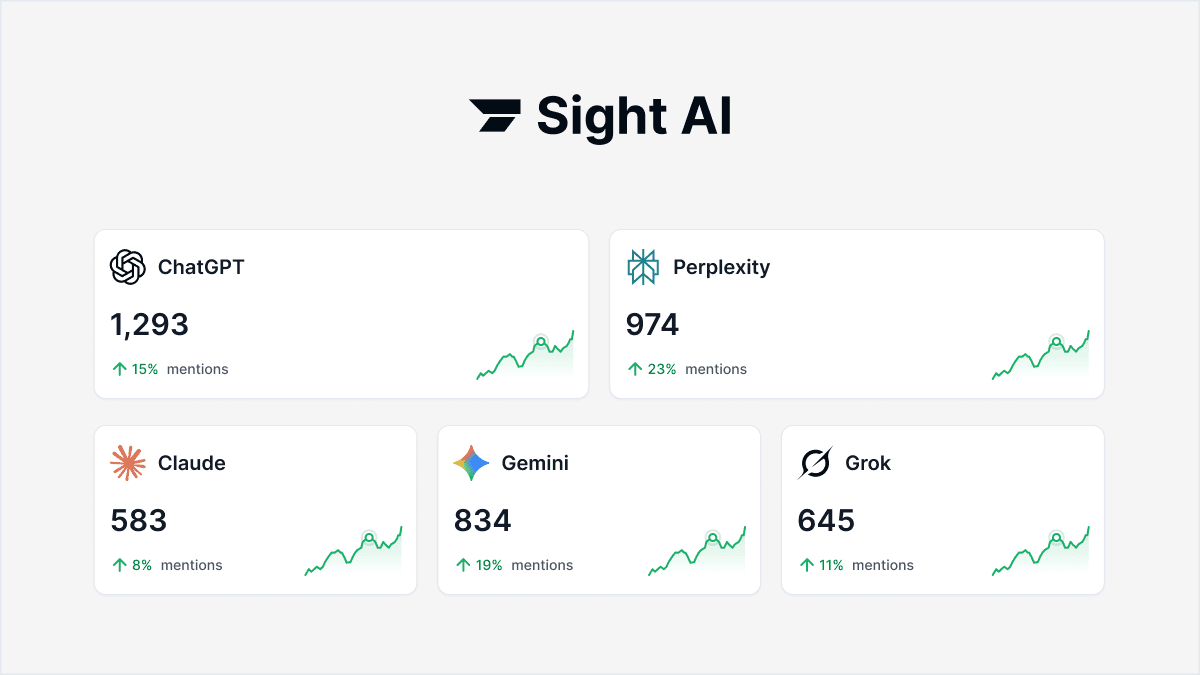
Pay attention to AI visibility scores if your platform tracks them. As AI-powered search becomes more prevalent, understanding how AI models reference your content matters increasingly. Articles that get cited by ChatGPT, Claude, or Perplexity can drive significant traffic and authority.
Review content quality periodically by reading published articles yourself. Automation doesn't mean abandoning quality control. Read a sample of articles each week to ensure they meet your standards for accuracy, readability, and brand voice. If quality is slipping, adjust your generation settings or add review workflows.
Analyze which content types perform best and adjust your queue accordingly. If your how-to guides consistently outperform listicles in both traffic and engagement, shift your content mix to produce more guides. Let data drive your content strategy rather than assumptions. Understanding long form AI content writer for SEO best practices can help you optimize your approach.
Iterate on your keyword strategy based on performance data. Keywords that looked promising in research might not deliver actual traffic. Conversely, you might discover unexpected opportunities in search console data. Regularly refresh your content queue with new keywords based on what's actually working.
Scale up gradually once you've validated your approach. If your initial schedule of three posts per week is performing well, try increasing to four. Monitor whether the additional content maintains quality and drives proportional traffic increases. There's a point of diminishing returns where more content doesn't mean more results.
Success indicator: You have dashboards tracking indexing speed, organic traffic, and content performance. You're conducting regular quality reviews and using data to refine your keyword strategy and content mix.
Putting It All Together
With your content autopilot configured, your WordPress site will now receive a steady stream of SEO-optimized content without manual intervention. This system transforms content creation from a time-consuming bottleneck into a consistent growth engine.
Quick checklist to verify your setup: WordPress API connected and tested with successful draft publications, content queue populated with at least 10-15 target keywords based on SEO research, publishing schedule configured with appropriate times and frequency for your audience, IndexNow enabled for fast indexing notifications, automatic sitemap updates working correctly, and monitoring dashboards active for tracking performance.
Start with a conservative publishing frequency. Two to three articles per week is a solid starting point for most businesses. Monitor quality and performance for the first few weeks, then scale up as you refine your approach. The goal is sustainable content growth that improves both your search visibility and your presence in AI-generated responses.
Remember that automation amplifies your strategy—it doesn't replace strategic thinking. Your content autopilot executes the tactical work of writing and publishing, but you still need to guide it with smart keyword selection, performance monitoring, and iterative improvements.
The businesses seeing the most success with content autopilot systems are those that treat it as an ongoing optimization project rather than a one-time setup. They continuously refine their keyword targeting, adjust content formats based on performance, and maintain quality standards through periodic reviews.
Stop guessing how AI models like ChatGPT and Claude talk about your brand—get visibility into every mention, track content opportunities, and automate your path to organic traffic growth. Start tracking your AI visibility today and see exactly where your brand appears across top AI platforms.