You've just finished a brilliant content piece for your biggest client. The blog post is polished, the social graphics are crisp, and the email copy hits every pain point. You send it over via email, confident in your work. Three days later, the client responds: "Which version is final? I thought we agreed on different messaging. Also, can you resend the social assets? I can't find them in my inbox."
Sound familiar?
This scenario plays out thousands of times daily across agencies and marketing teams worldwide. The problem isn't the quality of your content—it's the infrastructure surrounding how that content reaches clients. When you're managing multiple accounts, each with their own approval processes, brand guidelines, and distribution channels, the traditional approach of email attachments and shared folders becomes a liability rather than a solution.
A client content delivery platform changes this equation entirely. Instead of scattered assets and endless email threads, these systems create a centralized hub where content flows from creation to approval to distribution without the friction that kills momentum and erodes client confidence. For marketers, founders, and agencies focused on scaling their operations, this isn't just a convenience—it's the infrastructure that determines whether growth creates opportunity or chaos.
The Architecture Behind Seamless Content Distribution
At its core, a client content delivery platform operates on three foundational pillars that distinguish it from basic file sharing or generic project management tools. Understanding this architecture helps clarify why these specialized systems deliver results that patchwork solutions cannot match.
The Centralized Asset Repository: Think of this as your content's single source of truth. Every blog post, social graphic, video asset, and email template lives in one organized space with intelligent tagging and search capabilities. Unlike Dropbox or Google Drive, these repositories are purpose-built for content workflows, meaning they understand file relationships, version histories, and content lifecycles. When a client needs to reference that campaign from six months ago, they're not digging through nested folders—they're filtering by campaign name, date range, or content type.
Role-Based Access Controls: Not every stakeholder needs the same level of access. Your content creators need editing capabilities, clients require approval permissions, and external contractors might only need view access to specific projects. Sophisticated platforms let you define these roles granularly, ensuring the right people see the right content at the right stage of the workflow. This prevents the common scenario where a client accidentally approves a draft version or an external partner gains access to sensitive strategic documents.
Automated Distribution Channels: This is where the platform earns its keep. Once content receives approval, the system can automatically publish to designated channels—whether that's pushing a blog post to a CMS, scheduling social media posts across multiple platforms, or triggering email campaigns. The automation isn't just about saving clicks; it's about eliminating the window where human error introduces delays or mistakes. Agencies exploring automated content marketing platform solutions often find this capability transformative.
The workflow architecture connecting these components creates a continuous pipeline from ideation to measurement. Content moves through defined stages—draft, review, revision, approval, scheduling, publication—with clear handoffs and automated notifications keeping everyone informed. This structured approach transforms content delivery from a manual, error-prone process into a predictable system that scales with your client roster.
What separates these platforms from simpler tools is their understanding of content-specific needs. A project management tool like Asana knows about tasks and deadlines. A client content delivery platform knows about content types, brand guidelines, approval hierarchies, publishing schedules, and performance metrics. That specialization makes all the difference when you're managing the complex reality of multi-client content operations.
The Breaking Point: When Manual Processes Collapse Under Growth
Every agency reaches a tipping point where their scrappy, manual content delivery methods stop working. For some, it happens at five clients. For others, the breaking point arrives at fifteen. The specific number matters less than recognizing the pattern of dysfunction that emerges.
The email attachment approach that worked beautifully with your first three clients becomes unmanageable when you're juggling ten accounts. Suddenly, you're searching through hundreds of emails trying to find the "final-final-v3" version of a client's content calendar. Your team spends more time managing files than creating them. Client questions about asset locations consume hours of back-and-forth that could be spent on strategic work.
Version confusion multiplies these problems exponentially. Without a systematic approach to version control, teams often work from outdated files, clients approve content that's already been superseded, and published materials don't reflect the latest revisions. The result? Embarrassing errors that damage client confidence and require emergency fixes that disrupt your team's workflow.
Missed deadlines become increasingly common as manual coordination complexity grows. When content delivery requires five different people to complete eight separate steps across three different tools, any single point of failure cascades into delays. Someone forgets to move a file from Google Drive to the client's preferred platform. An approval notification gets buried in an overflowing inbox. A scheduled post doesn't publish because the login credentials changed and nobody updated them in your shared spreadsheet.
The hidden costs extend beyond immediate operational friction. Manual content distribution creates what we might call "operational debt"—the accumulating burden of inefficient processes that slow everything down. Your team's cognitive load increases as they juggle multiple systems and remember which client prefers which delivery method. New team members face steep learning curves because there's no standardized process to learn. Client onboarding takes longer because you're essentially building custom workflows for each account. Many agencies turn to content automation platforms specifically to address this operational debt.
Perhaps most critically, manual processes don't scale linearly. Doubling your client roster doesn't just double the work—it can triple or quadruple the coordination complexity. The interactions between clients, team members, and content pieces grow exponentially, creating bottlenecks that no amount of "working harder" can solve. This is the operational debt coming due, and it's why agencies often find themselves unable to take on new clients despite having the creative capacity to serve them.
The Feature Set That Defines Platform Excellence
Not all client content delivery platforms are created equal. The market ranges from basic solutions that are essentially glorified file sharing to sophisticated systems that fundamentally transform how agencies operate. Understanding the features that separate leaders from laggards helps you evaluate options strategically.
Automated Publishing and Multi-Channel Scheduling: The ability to publish approved content directly to client websites, social platforms, and email systems eliminates multiple manual steps and their associated error risks. Look for platforms that support scheduling across time zones, allow bulk scheduling for campaign launches, and provide preview capabilities so clients can see exactly how content will appear before it goes live. The best systems also handle republishing scenarios gracefully—updating a blog post across multiple syndication channels or adjusting social copy without losing the original scheduling parameters.
Collaborative Approval Workflows: Real-time collaboration tools need to go beyond basic commenting. Sophisticated platforms offer threaded feedback tied to specific content elements, approval routing that matches your client's organizational hierarchy, and conditional logic that adapts workflows based on content type or urgency. When a client's legal team needs to review certain content categories but not others, the platform should handle that automatically without requiring manual intervention for every piece.
Integrated Feedback Loops: The revision process often creates the most friction in content delivery. Leading platforms provide annotation tools that let clients mark up documents, images, and even video content with precise feedback. Version comparison features show exactly what changed between iterations, preventing the confusion that arises when multiple rounds of revisions blur together. Some systems even offer suggestion modes where clients can propose edits that creators can accept or reject, streamlining the back-and-forth that typically happens across email threads.
Performance Analytics and Client Reporting: Delivering content is only half the equation—demonstrating its impact closes the loop. Platforms that integrate analytics dashboards give clients visibility into how their content performs across channels. Traffic metrics, engagement rates, conversion data, and SEO performance all become accessible in one place, eliminating the need for separate reporting tools and manual data compilation. For agencies seeking deeper insights, exploring an SEO content platform with analytics can significantly enhance reporting capabilities.
Brand Compliance and Asset Management: As client portfolios grow, maintaining brand consistency becomes increasingly challenging. Advanced platforms include digital asset management features that enforce brand guidelines automatically—flagging content that uses outdated logos, incorrect color schemes, or unapproved fonts. Template libraries ensure every piece of content starts from brand-compliant foundations, reducing revision cycles and maintaining the professional polish clients expect.
Architecting Your Content Delivery Technology Ecosystem
A client content delivery platform doesn't exist in isolation—it's the hub of a larger technology ecosystem that powers your content operations. Building this stack strategically determines whether your platform becomes a force multiplier or just another tool to manage.
The most critical integration points connect your platform to content management systems. Whether your clients use WordPress, Webflow, HubSpot, or proprietary CMS solutions, seamless two-way integration eliminates the manual upload step that creates delays and errors. Look for platforms that support automated publishing while maintaining proper metadata, SEO elements, and formatting—not just dumping raw content into a CMS.
Social media platform connections extend your reach without expanding your workload. The ability to publish simultaneously to LinkedIn, Twitter, Facebook, Instagram, and emerging platforms from a single interface saves time while ensuring message consistency. More sophisticated integrations preserve platform-specific optimizations—character limits, image dimensions, hashtag strategies—without requiring manual adjustments for each channel.
Website indexing tools represent an often-overlooked integration opportunity. When you publish new content, automatic submission through IndexNow and sitemap updates ensures search engines discover it quickly. This integration becomes particularly valuable when you're managing content across multiple client websites—the platform handles indexing for all of them without manual intervention, accelerating the path to organic visibility. Understanding automated SEO content generation workflows helps maximize these indexing benefits.
AI-powered content generation capabilities are increasingly becoming table stakes rather than differentiators. Platforms that incorporate AI writing assistants, content optimization tools, and automated research capabilities help teams produce more content without proportional increases in headcount. The key is ensuring these AI features integrate naturally into your workflow rather than requiring separate tools that fragment your process.
When evaluating platforms, consider your client portfolio's specific characteristics. An agency managing five enterprise clients with complex approval hierarchies needs different capabilities than one serving twenty small businesses with streamlined workflows. Content volume matters too—if you're publishing hundreds of pieces monthly, robust automation and bulk operations become essential. If you're focused on high-touch, strategic content for a smaller client base, collaboration and feedback features might take priority.
The platform's API capabilities determine how well it adapts to your unique needs. Open APIs let you build custom integrations, connect proprietary tools, and automate workflows that standard features don't address. This flexibility becomes increasingly important as your operations mature and your requirements become more sophisticated.
Your Implementation Blueprint: From Selection to Success
Choosing a platform is just the beginning. Successful implementation requires a structured approach that minimizes disruption while maximizing adoption. This roadmap breaks the process into manageable phases that build momentum rather than creating chaos.
Phase 1: Workflow Audit and Opportunity Mapping
Start by documenting your current content delivery process in painful detail. Map every step from content creation through client approval to final publication. Identify where delays typically occur, which handoffs create confusion, and what manual tasks consume disproportionate time. This audit reveals automation opportunities that deliver the highest return on implementation effort.
Interview team members about their pain points. The account manager's frustrations differ from the content creator's challenges, and both perspectives inform your platform requirements. Similarly, gather client feedback about their experience receiving and approving content. Their insights often reveal friction points your team has normalized but clients find frustrating.
Quantify the current state where possible. How many hours does your team spend on content coordination weekly? What's your average time from content completion to publication? How many revision cycles does typical content require? These baseline metrics let you measure improvement after implementation and build the business case for platform investment. A thorough content generation platform comparison can help identify which solutions address your specific pain points.
Phase 2: Strategic Migration Without Client Disruption
Migration strategy separates successful implementations from failed ones. Rather than attempting a big-bang transition, pilot the platform with a single client or content type. This contained approach lets you refine processes, identify issues, and build team confidence before expanding scope.
Choose your pilot carefully. Select a client who's tech-forward and forgiving of minor hiccups, with content workflows representative of your broader portfolio. Success here creates internal champions who help drive adoption across other accounts.
During migration, maintain parallel processes temporarily. Keep existing workflows running while the new platform comes online, giving you a safety net if unexpected issues arise. This redundancy costs extra effort short-term but prevents the catastrophic scenario where content delivery grinds to a halt during transition.
Communicate proactively with clients about the change. Frame it as an upgrade to their service experience rather than an internal process shift. Highlight specific benefits they'll experience—faster approvals, better visibility into content status, easier access to historical assets. When clients understand what's in it for them, they become allies in the transition rather than obstacles.
Phase 3: Team Training and Governance Establishment
Technology only delivers value when people use it effectively. Invest in comprehensive training that goes beyond basic feature tutorials. Help team members understand the strategic rationale behind the platform and how it improves their daily work. People adopt tools that make their lives easier and resist those that feel like additional burden.
Create role-specific training paths. Content creators need deep knowledge of asset management and collaboration features. Account managers require expertise in client-facing elements and reporting. Leadership needs strategic dashboards and analytics capabilities. Tailored training accelerates competence and prevents overwhelming people with irrelevant features.
Establish governance protocols that define how the platform should be used. Document naming conventions for files and projects, approval workflow standards, quality control checkpoints, and escalation procedures for issues. These protocols prevent the organic chaos that emerges when everyone develops their own approach to using the system.
Designate platform champions within your team—power users who become the go-to resources for questions and troubleshooting. These champions also serve as your feedback channel to the platform vendor, helping ensure your needs are represented in future development.
Metrics That Reveal True Platform Impact
Measuring success requires looking beyond vanity metrics to indicators that reflect genuine operational improvement and client value. The right KPIs tell you whether your platform investment is paying dividends or just creating expensive overhead.
Operational Efficiency Indicators: Time-to-delivery measures the duration from content completion to publication. Many agencies find this metric improves significantly after platform implementation as manual coordination steps disappear. Track this across content types and clients to identify where automation delivers the greatest impact.
Revision cycle velocity reveals how quickly content moves through feedback and approval stages. Platforms with strong collaboration features typically reduce the number of revision rounds required and accelerate each round's completion. Fewer revision cycles mean content reaches audiences faster and your team spends less time on coordination.
Approval bottleneck identification shows where content gets stuck in workflows. Good platforms provide visibility into how long content sits at each approval stage, helping you spot systematic delays and address them proactively. This data often reveals organizational issues—like an executive who consistently delays approvals—that technology alone can't solve but makes visible for resolution.
Client Experience Metrics: Client satisfaction indicators should be measured systematically through regular surveys or feedback sessions. Ask specifically about the content delivery experience—how easy it is to review content, provide feedback, and access historical assets. Improved satisfaction in these areas often correlates with stronger client retention.
Response time to client requests provides a quantifiable measure of service quality. When clients ask for past content or status updates, how quickly can your team respond? Platforms with robust search and organization features dramatically reduce this response time, creating a perception of exceptional service that strengthens relationships. Agencies focused on AI content marketing for agencies often see the most dramatic improvements in response times.
Client retention correlation examines whether platform implementation affects how long clients stay with your agency. While many factors influence retention, operational excellence in content delivery contributes meaningfully to client satisfaction and renewal decisions.
Content Performance Tracking: Distribution channel analytics show how content performs across different platforms and formats. Understanding which channels drive the most engagement helps you optimize content strategy and demonstrate ROI to clients. Platforms that aggregate this data across clients let you identify patterns and best practices that improve results agency-wide.
Indexing speed and search visibility metrics matter increasingly as AI-powered search and generative engines reshape discovery. Tracking how quickly published content appears in search results and AI model responses helps you understand whether your distribution infrastructure supports competitive visibility. Faster indexing often translates to earlier traffic and better positioning in the crucial early days after publication.
Building Infrastructure for the AI-Powered Future
The landscape of content delivery is shifting beneath our feet. As AI models become primary discovery mechanisms and automated content generation becomes standard practice, the infrastructure supporting content delivery must evolve accordingly. A client content delivery platform isn't just about managing today's workflows—it's about positioning your agency for tomorrow's opportunities.
The convergence of content generation and delivery creates powerful synergies. When AI-powered writing tools integrate directly with distribution platforms, you can move from ideation to publication in compressed timeframes that were previously impossible. This speed advantage becomes competitive differentiation as client expectations adjust to AI-enabled velocity. Exploring AI-powered content marketing platforms reveals how these integrations are reshaping agency workflows.
But speed without quality control creates new risks. The same platforms that accelerate production must also enforce quality standards, maintain brand consistency, and ensure content aligns with strategic objectives. The agencies that thrive will be those that use automation to handle operational mechanics while preserving the strategic thinking and creative judgment that AI can't replicate.
Client expectations around visibility are changing too. It's no longer sufficient to publish content and hope it performs. Clients increasingly expect real-time visibility into how their content appears across AI platforms, search engines, and social channels. They want to understand not just what you published, but how it's performing and what opportunities exist to optimize results.
This demand for transparency makes integrated analytics essential. Platforms that combine content delivery with performance tracking and AI visibility monitoring give you the data infrastructure to demonstrate value continuously rather than just at quarterly reviews. When clients can see their content's impact in real-time, they understand the ROI of your services more viscerally than any report could convey.
The agencies building this infrastructure now are positioning themselves to scale efficiently as demand for content continues accelerating. Every client wants more content, distributed across more channels, optimized for more platforms. The only way to meet this demand without proportional cost increases is through platforms that automate operational mechanics while preserving the strategic value your team provides.
Your client content delivery platform should be the foundation that enables growth without chaos—the system that lets you take on new clients confidently, knowing your infrastructure can handle the increased complexity. It's the difference between scaling smoothly and hitting operational limits that force you to turn away business or sacrifice quality.
The question isn't whether to implement these systems—it's whether you'll build this infrastructure proactively or reactively. Proactive implementation gives you time to refine processes, train teams, and demonstrate value to clients. Reactive implementation happens in crisis mode when manual processes have already broken down, forcing rushed decisions and suboptimal outcomes.
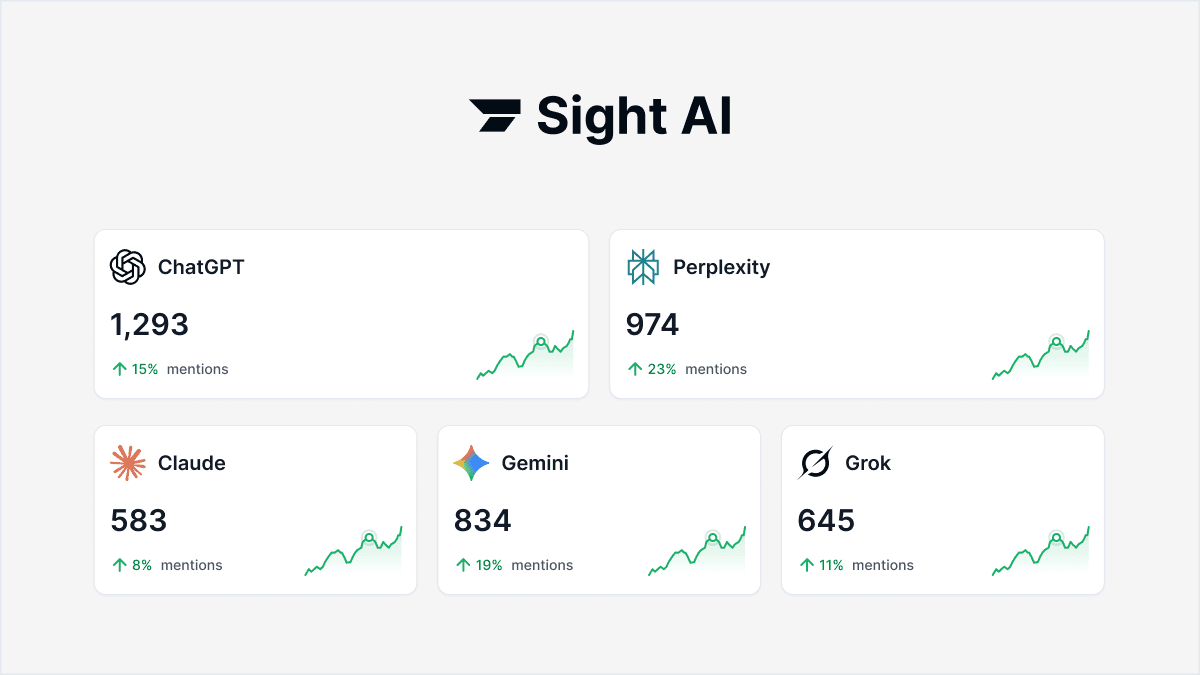
As AI reshapes how content gets discovered and consumed, the agencies that win will be those with infrastructure supporting rapid iteration, continuous optimization, and comprehensive visibility into performance across all channels. Start tracking your AI visibility today and see exactly where your brand appears across top AI platforms—because understanding how AI models talk about your clients is becoming as important as traditional search rankings. The future of content delivery isn't just about getting content to clients efficiently; it's about ensuring that content drives measurable visibility and growth in an AI-powered discovery landscape.