Your marketing team needs fifty articles this month. Your writers can realistically produce fifteen. This gap between content demand and human capacity isn't a resource problem—it's a structural reality of modern digital marketing. Every channel needs feeding: your blog, social media, email campaigns, product documentation, customer education content. The math simply doesn't work when you're relying solely on human writers working at human speed.
Automated article generation platforms have emerged as the bridge across this chasm. These aren't simple text spinners or keyword stuffers from the early SEO days. Modern platforms use sophisticated AI to research topics, structure arguments, optimize for search engines, and even publish directly to your website. Think of them as force multipliers for your content team—tools that handle the heavy lifting of drafting and formatting while your human experts focus on strategy, refinement, and the creative touches that make content truly resonate.
The question isn't whether to use AI for content generation anymore. It's how to choose the right platform and implement it effectively. This guide breaks down how these systems actually work under the hood, what separates professional-grade solutions from basic tools, and how to evaluate options based on your specific content goals. Whether you're a solo marketer trying to maintain a consistent publishing schedule or an agency managing dozens of client content calendars, understanding these platforms will fundamentally change how you approach content operations.
The Engine Room: How AI Content Generation Actually Works
At the core of every automated article generation platform sits a large language model—essentially a massive neural network trained on billions of words from books, websites, articles, and other text sources. These models learn patterns in language: how sentences connect, how arguments develop, how different topics typically get discussed. When you prompt one of these systems to write about a topic, it's not searching a database for pre-written answers. It's predicting what words should come next based on everything it learned during training.
The magic happens in how that prediction process gets guided. Modern platforms don't just feed your topic into the AI and hope for the best. They use sophisticated prompting strategies that provide context, specify tone and structure, and set parameters for length and complexity. Think of it like directing a very talented but literal-minded assistant: the more specific your instructions, the better the output.
Context windows determine how much information the AI can consider at once. Earlier models could only "remember" a few hundred words of context, making long-form content disjointed and repetitive. Current systems can handle thousands of words, allowing them to maintain consistency across entire articles. This means your introduction, body sections, and conclusion actually connect logically rather than reading like disconnected paragraphs stapled together.
Here's where professional platforms distinguish themselves from basic AI writing tools. They layer multiple optimization systems on top of the base language model. SEO analyzers ensure your content includes target keywords naturally and structures headings for search engine crawlers. Brand voice engines adjust vocabulary, sentence structure, and tone to match your company's established style. Factual accuracy checks flag claims that need verification and prevent the AI from confidently stating things it invented. Understanding how automated SEO article generation works helps you evaluate which platforms deliver genuine optimization.
The output quality depends heavily on these additional layers. A bare language model might produce grammatically correct but generic content that sounds like every other AI-generated article. Platforms with robust post-processing create content that reads naturally, maintains your brand identity, and actually serves your SEO objectives rather than just filling space with words.
Beyond Basic Text: Features That Define Professional-Grade Platforms
The difference between a simple AI writing assistant and a professional content generation platform comes down to architecture. Basic tools treat content creation as a single step: input topic, output article. Professional systems break the process into specialized tasks, each handled by AI components optimized for that specific function.
Multi-agent architectures mirror how human content teams actually work. One AI agent focuses on research—gathering information about the topic, identifying key points to cover, and finding relevant data. Another agent specializes in structuring that research into a logical outline. A third handles the actual drafting, while a fourth reviews for clarity, consistency, and optimization opportunities. This division of labor produces dramatically better results than asking one AI to handle everything simultaneously. The best AI content generation platforms leverage this multi-agent approach for superior output.
Integration capabilities separate tools you'll actually use from ones that create more work than they save. The best platforms connect directly to your content management system, allowing you to review, edit, and publish without copying and pasting between applications. They sync with your analytics tools so you can track which AI-generated content performs best. They integrate with indexing services to ensure search engines discover your new content immediately rather than waiting days or weeks.
Quality control mechanisms become critical when you're producing content at scale. Plagiarism detection ensures your AI-generated content doesn't accidentally reproduce existing articles word-for-word. Fact-checking workflows flag statements that need verification before publication. Human review stages let your team approve content before it goes live, maintaining editorial standards even when AI handles the drafting.
Autopilot capabilities define the upper tier of platforms. These systems can manage entire editorial calendars, generating content on schedule based on your strategic priorities. They monitor your content pipeline, identify gaps, and proactively create articles to fill them. For agencies managing multiple clients, exploring content generation platforms for agencies reveals how one platform can handle dozens of separate content streams simultaneously, each maintaining its own brand voice and topic focus.
The technical sophistication matters because it determines whether the platform becomes a genuine productivity multiplier or just another tool that requires constant supervision. Professional-grade systems should reduce your workload, not create new tasks. They should integrate seamlessly into existing workflows rather than forcing you to adapt your entire content operation around their limitations.
The GEO Advantage: Writing for AI Search Visibility
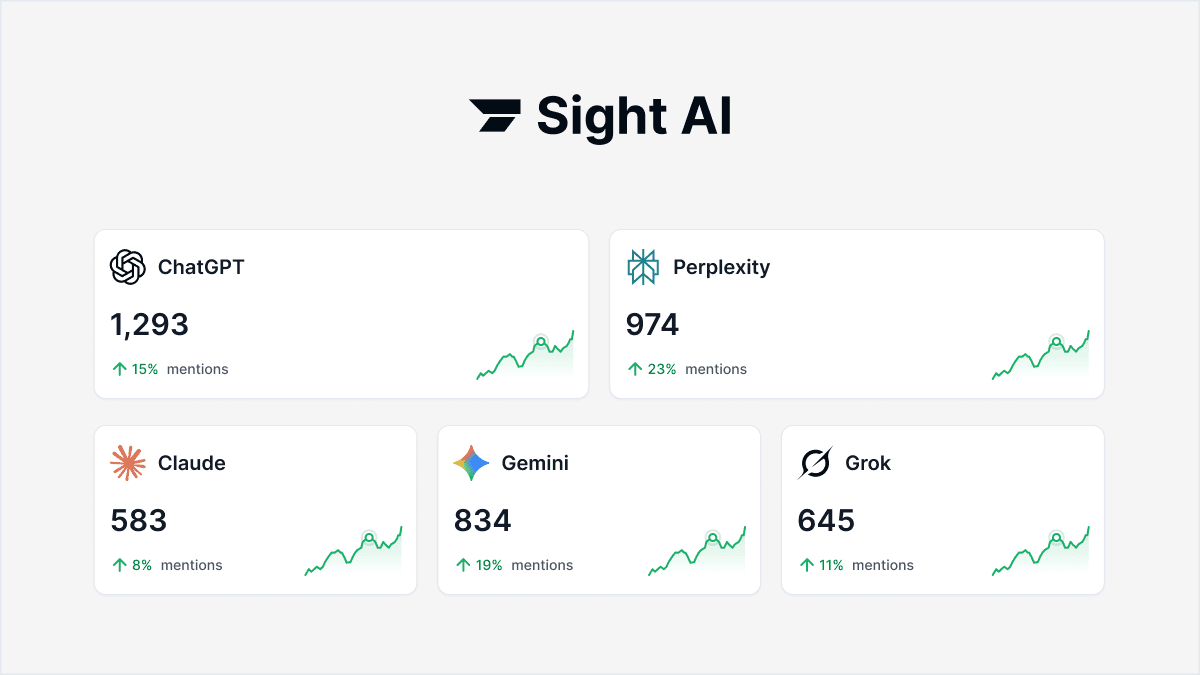
Traditional SEO focuses on ranking in Google search results. Generative Engine Optimization—GEO—targets a different goal: getting your brand mentioned and recommended by AI assistants like ChatGPT, Claude, and Perplexity when users ask questions related to your industry. This shift represents a fundamental change in how people discover information and make decisions.
When someone asks ChatGPT "What's the best project management tool for remote teams?" or queries Perplexity about "How to improve website loading speed," these AI models synthesize information from across the web to provide recommendations. If your content is structured correctly, your brand gets mentioned in those responses. If it's not, you're invisible to an increasingly important discovery channel.
Automated article generation platforms with GEO capabilities structure content specifically for AI comprehension. This means clear factual statements rather than vague marketing language. It means proper attribution when citing data or examples. It means organizing information hierarchically so AI models can extract key points without getting lost in narrative flourishes. Platforms focused on SEO optimized content generation build these structural elements directly into their output.
The connection between content quality and AI visibility is direct. AI models favor content that demonstrates expertise, provides specific actionable information, and backs up claims with evidence. Generic articles that could apply to any company in your industry won't get cited. Content that showcases your unique approach, shares specific methodologies, and demonstrates deep subject matter expertise will.
This creates an interesting dynamic: the same content optimization that makes articles valuable for AI visibility also makes them more valuable for human readers. You're not gaming a system or exploiting a loophole. You're creating genuinely helpful content that both AI models and people recognize as authoritative. The platforms that excel at GEO produce content that serves both audiences simultaneously.
Sentiment analysis becomes important when tracking your AI visibility. It's not enough to just get mentioned—you want those mentions to be positive and accurate. Quality automated generation platforms help ensure your content positions your brand favorably, with clear value propositions and compelling reasons for AI models to recommend you over competitors.
Workflow Integration: From Generation to Publication
The most sophisticated content generation in the world creates zero value if it gets stuck in your drafts folder. Professional platforms build complete pipelines that move content from concept to live publication with minimal manual intervention. This end-to-end automation is where real productivity gains happen.
Automated publishing workflows connect your content generation platform directly to your CMS. Once an article passes your quality checks, it can flow directly to WordPress, Webflow, or whatever system powers your website. The platform handles formatting, image placement, internal linking, and metadata—all the technical details that typically consume time during manual publishing. Implementing automated article publishing software means your team reviews and approves, but the mechanical work happens automatically.
IndexNow integration represents a significant advantage for platforms that include it. This protocol lets your website notify search engines the moment new content goes live, rather than waiting for crawlers to eventually discover it. For time-sensitive content or competitive keywords, getting indexed hours or days faster than competitors can mean the difference between capturing traffic and missing the opportunity entirely.
Sitemap automation ensures search engines always have an accurate map of your content. When new articles publish, the platform updates your XML sitemap automatically and pings search engines to re-crawl it. This sounds like a minor technical detail until you're publishing dozens of articles weekly and manually updating sitemaps becomes a bottleneck.
Editorial calendars with autopilot capabilities transform how content teams operate. You define your content strategy—topics to cover, publishing frequency, target keywords—and the platform generates articles on schedule. An automated content workflow platform maintains your content queue, ensures you're not accidentally publishing duplicate topics, and adapts to your team's approval pace. For agencies juggling multiple clients, this means consistent output without constant manual scheduling.
The workflow integration quality determines whether automated content generation actually scales your operations or just shifts the bottleneck from writing to publishing. Platforms that handle the complete pipeline—from topic selection through indexing—deliver genuine operational efficiency. Those that only handle drafting leave you with the same manual publishing workload, just with AI-generated drafts instead of human-written ones.
Evaluating Platforms: What to Look for Before You Commit
Output quality should be your first evaluation criterion, but measuring it requires going beyond surface-level impressions. Generate test articles on topics you know well. Does the content demonstrate actual understanding or just string together generic statements? Can you detect your brand voice, or does everything sound like it came from the same corporate template? Does the content include specific, actionable information, or does it stay safely in the realm of obvious generalities?
Coherence matters more than perfect grammar. AI rarely makes grammatical errors anymore, but it can absolutely produce articles where sections don't connect logically or arguments contradict themselves. Read the test content critically. Do the examples support the points being made? Do the conclusions follow from the evidence presented? Does the article flow naturally from introduction through body to conclusion? Reviewing automated content creation platform reviews can help you understand what coherent output looks like across different solutions.
Brand voice consistency becomes critical when you're producing content at scale. The platform should let you define your voice parameters—whether you're technical and precise or conversational and accessible—and maintain those characteristics across all generated content. Inconsistent voice signals to readers that content is AI-generated and undermines the authority you're trying to build.
Scalability considerations vary dramatically based on your use case. Solo marketers need platforms that work efficiently at lower volumes without requiring complex setup. Agencies managing multiple clients need robust multi-account capabilities, separate brand voice profiles for each client, and the ability to scale up during busy periods without hitting artificial usage caps. Understanding content generation platform pricing helps you anticipate costs as your needs grow.
Cost structures deserve careful examination beyond the headline price. Some platforms charge per article, others by word count, still others use credit systems that make actual costs opaque. Factor in the true cost per published article, including any editing time your team needs to invest. A cheaper platform that requires extensive editing might cost more in total than a premium platform that produces publication-ready content.
Hidden complexity in implementation can derail adoption. Platforms that require extensive training, complex integrations, or ongoing technical maintenance create friction that reduces actual usage. The best solutions should be intuitive enough that your team can start generating quality content within hours, not weeks. If the learning curve is steep, factor that ramp-up time into your evaluation.
Putting It All Together: Building Your Content Engine
Start with clear content goals rather than vague aspirations to "publish more." Define what success looks like: specific traffic targets, keyword rankings you want to capture, or audience segments you need to reach. Your automated content generation platform should serve these goals, not become a goal in itself. Many teams fall into the trap of generating content because they can, not because it advances their strategy.
Measure against meaningful metrics from day one. Track not just how many articles you publish, but how they perform. Which topics drive the most traffic? Which articles get cited by AI models? Which content converts readers into leads or customers? This data should inform your content strategy, creating a feedback loop where your platform generates more of what works and less of what doesn't.
Balance automation with human oversight for optimal results. AI excels at research, drafting, and optimization—tasks that are time-consuming but follow clear patterns. Humans excel at strategy, creativity, and understanding nuance—elements that require judgment and experience. The most effective implementations use AI for its strengths and reserve human attention for the decisions that actually require it.
Your content engine should evolve as you learn what works. Start with a manageable volume—perhaps ten articles per month—and refine your processes before scaling up. Test different content types, analyze performance, adjust your approach based on results. Once you've established what quality looks like and how to achieve it consistently, then ramp up production.
Implementation readiness varies by team. If you're already producing content regularly, have established quality standards, and understand your target audience well, you can move quickly. If content marketing is new territory, invest time in strategy before automating execution. The platform will amplify whatever approach you give it—make sure that approach is sound before scaling it.
Your Next Steps in Content Transformation
Automated article generation platforms represent more than a productivity tool—they're a fundamental shift in how content operations work. The teams that implement them effectively don't just publish more content. They publish better content, more consistently, while freeing their human experts to focus on strategy and refinement rather than grinding through drafts.
The technology has matured past the experimental phase. Modern platforms produce content that serves both traditional SEO goals and the emerging world of AI search visibility. They integrate into existing workflows rather than requiring you to rebuild your entire content operation. They scale with your needs, whether you're a solo marketer or an agency managing dozens of clients.
Success requires choosing the right platform for your specific needs and implementing it thoughtfully. Evaluate options based on output quality, integration capabilities, and scalability for your use case. Start with clear goals, measure against meaningful metrics, and refine your approach based on results. The most effective implementations combine AI capabilities with human strategy and oversight, creating a content engine that delivers consistent value.
For teams ready to scale their organic traffic efforts while maintaining quality standards, the question isn't whether to adopt automated content generation—it's how to implement it effectively. Start tracking your AI visibility today and see exactly where your brand appears across top AI platforms. Stop guessing how AI models like ChatGPT and Claude talk about your brand, and get the visibility you need to guide your content strategy toward what actually drives discovery and recommendations.