You just published what might be your best piece of content yet. The research was solid, the writing sharp, the value undeniable. You hit publish with confidence, expecting traffic to start flowing within hours.
Three days later? Still invisible in search results.
This isn't a quality problem. It's a discovery problem. Your content is sitting in a digital waiting room, queued behind thousands of other pages, waiting for search engines to notice it exists. Meanwhile, your competitors who published similar content weeks ago are capturing the traffic that should be yours. Every hour your content stays undiscovered is an hour of lost opportunity.
This is where instant indexing services fundamentally change the game. Instead of waiting days or weeks for search engines to crawl your site and discover new content, these tools push your URLs directly to search engines the moment you publish. What used to take a week now happens in minutes. What used to require hope now becomes a predictable, automated process.
In 2026's content landscape, where AI search platforms and traditional search engines both prioritize fresh, relevant content, the speed at which your content gets discovered directly impacts its competitive position. The faster search engines index your content, the faster it enters ranking algorithms, AI training pipelines, and recommendation systems. Speed to discovery has become speed to competitive advantage.
The Crawl Delay Problem: Why Fresh Content Stays Invisible
Understanding why your content sits in limbo starts with understanding how search engines actually discover new pages. Traditional crawling operates on a pull-based model: search engine bots systematically visit websites, follow links, check sitemaps, and add new pages to their index. This process works, but it's neither instant nor guaranteed.
Think of it like this: search engines allocate each website a "crawl budget"—a finite number of pages their bots will crawl within a specific timeframe. For high-authority sites publishing constantly, this budget might be generous. For smaller sites or those with technical issues, the budget might be severely limited. Your new article competes with every other page on your site for a slice of that crawl budget.
The timeline varies dramatically. A breaking news site with high authority might see new content indexed within hours. A small business blog might wait three to seven days. A site with technical SEO issues or low domain authority could wait weeks. During this waiting period, your content generates zero organic traffic, appears in zero AI-generated responses, and provides zero competitive advantage. If you're experiencing slow Google indexing for new content, you're not alone—it's one of the most common frustrations for content teams.
The business impact compounds quickly. If you're covering time-sensitive topics, the story might be old news by the time search engines discover your coverage. If you're launching a product, competitors who get indexed first establish topical authority and capture early-mover traffic. If you're publishing SEO content targeting competitive keywords, every day of delay gives established competitors more time to strengthen their rankings.
For content operations running at scale, these delays create a cascading problem. Publishing fifty articles per week means nothing if only ten get crawled promptly. The other forty sit in queue, their potential value locked away, while your content calendar marches forward. You're essentially building a backlog of invisible content.
Even Google's crawl budget documentation acknowledges this limitation affects sites differently based on factors like site popularity, staleness of content, and server response times. Translation: you can't simply publish more and expect proportionally more crawling. The system has built-in constraints that instant indexing services are specifically designed to bypass.
How Instant Indexing Services Actually Work
Instant indexing services flip the discovery model from pull to push. Instead of waiting for search engines to find your content, you notify them directly that new or updated content exists. This fundamental shift transforms indexing from a passive hope into an active process you control.
The technology behind this relies primarily on two mechanisms: the IndexNow protocol and search engine-specific APIs.
IndexNow is an open protocol developed collaboratively by Microsoft Bing and Yandex. When you submit a URL through IndexNow, you're essentially sending a ping to participating search engines saying "this URL has new or updated content." The search engine receives this notification instantly and can prioritize crawling that specific URL rather than discovering it through normal crawl cycles.
Here's what makes IndexNow particularly powerful: it's a single submission that reaches multiple search engines simultaneously. Submit once, and both Bing and Yandex receive the notification. For sites with international audiences or those targeting markets where Bing holds significant share, this multi-engine reach delivers immediate value.
Google operates differently. While Google doesn't officially support IndexNow, they offer their own Indexing API, originally designed for job postings and livestream video content. The API allows direct submission of URLs for immediate crawling consideration. Many content teams now rely on an instant Google indexing tool to leverage this API effectively. While Google's documentation specifies limited use cases, the mechanism exists and functions for rapid indexing when properly implemented.
The technical workflow looks like this: when you publish or update content, your indexing service receives a trigger—either through CMS integration, API webhook, or manual submission. The service then formats your URL according to each search engine's protocol requirements and submits it via their respective APIs. Within minutes, search engines receive notification and typically begin crawling that URL within the same day, often within hours.
Automated sitemap updates complement this process. While instant indexing services handle individual URL submissions, they also update your XML sitemap in real-time, ensuring search engines have multiple discovery paths for new content. This redundancy increases indexing reliability—if one method experiences delays, the other provides backup.
The response from search engines varies. Bing and Yandex typically provide confirmation that they've received the submission. Google's Indexing API returns status codes indicating whether the request succeeded. Effective indexing tools monitor these responses and alert you to any submission failures or errors requiring attention.
What this means practically: publish an article at 9 AM, and by 10 AM, major search engines know it exists and have queued it for immediate crawling. Compare this to traditional discovery, where search engines might not even find your sitemap update for days, and the competitive advantage becomes clear.
Key Features That Separate Effective Indexing Tools
Not all instant indexing services deliver the same value. The difference between basic submission tools and comprehensive indexing platforms comes down to features that address real-world content operation challenges.
Bulk URL Submission Capabilities: If you're publishing ten articles per week, manual URL submission might work. If you're running a content operation at scale—migrating hundreds of pages, launching product catalogs, or managing multiple client sites—you need bulk submission. Effective tools allow you to submit dozens or hundreds of URLs simultaneously through CSV upload or API integration. This transforms a hours-long manual process into a minutes-long automated one.
Indexing Status Monitoring: Submitting URLs is only half the equation. Knowing whether search engines actually indexed them completes the picture. Quality indexing platforms provide dashboards showing submission status, crawl confirmation, and actual indexing verification. You can see which URLs succeeded, which failed, and which require resubmission. This visibility turns indexing from a black box into a measurable, optimizable process. For a detailed breakdown, check out this comparison of indexing tools for blogs.
CMS Integration and Automated Triggers: The most powerful indexing workflows require zero manual intervention. When you publish content in WordPress, Webflow, or your custom CMS, the indexing service automatically detects the new content and submits it without you lifting a finger. The same applies to content updates—edit an existing page, and the service automatically notifies search engines of the change. This automation ensures every piece of content gets submitted immediately, regardless of team bandwidth or memory.
Priority Queue Management: Not all content deserves equal indexing urgency. Breaking news coverage needs immediate submission. Evergreen content updates can wait minutes. Effective tools let you set priority levels, ensuring time-sensitive URLs jump the queue while less urgent submissions follow behind. This prioritization becomes critical during high-volume publishing periods or site migrations.
Error Handling and Retry Logic: API submissions occasionally fail due to temporary server issues, rate limiting, or connectivity problems. Basic tools might simply fail and move on. Professional-grade services implement retry logic—if a submission fails, the system automatically retries after a delay, ensuring eventual success without requiring manual intervention.
Multi-Site Management: Agencies and enterprises managing multiple domains need centralized control. The ability to manage indexing for ten, fifty, or hundreds of sites from a single dashboard saves enormous time and ensures consistent indexing practices across all properties.
When Instant Indexing Delivers the Biggest Impact
While faster indexing benefits virtually any content, certain scenarios amplify the value dramatically. Understanding when instant indexing delivers maximum ROI helps you prioritize implementation and measure results effectively.
Time-Sensitive Content Operations: News coverage, product launches, event announcements, and trending topic commentary all share a common characteristic—their value degrades rapidly over time. Publishing breaking news analysis that doesn't get indexed until three days later means missing the entire news cycle. Launching a product whose landing page stays invisible for a week means losing early-adopter traffic to competitors. Instant indexing ensures your time-sensitive content reaches search results while the topic still generates search volume. Publishers especially benefit from content indexing for news sites that prioritizes speed.
High-Volume Publishing Environments: Content operations publishing dozens or hundreds of articles weekly face a mathematical problem. If traditional crawling indexes only a fraction of new content promptly, significant portions of your content library remain invisible for extended periods. Agencies managing multiple client sites, enterprise content teams, and media companies operating at scale see immediate returns from instant indexing—every published piece gets discovered quickly, maximizing content ROI.
SEO Recovery Scenarios: When you identify and fix technical SEO errors, update outdated content, or recover from manual penalties, waiting for natural re-crawling extends your recovery timeline unnecessarily. Instant indexing lets you push corrected pages to search engines immediately, accelerating recovery and minimizing traffic loss. The same applies to site migrations—submitting all redirected URLs ensures search engines discover new locations quickly rather than encountering weeks of 404 errors. If you're troubleshooting, explore these website indexing problems solutions.
Competitive Content Markets: In industries where multiple sites compete for the same keywords and topics, first-mover advantage matters significantly. Being the first indexed article on a trending topic often translates to capturing featured snippets, top rankings, and initial traffic waves. Instant indexing turns publication timing into competitive strategy—publish and index before competitors, establish early topical authority, and defend rankings as others catch up.
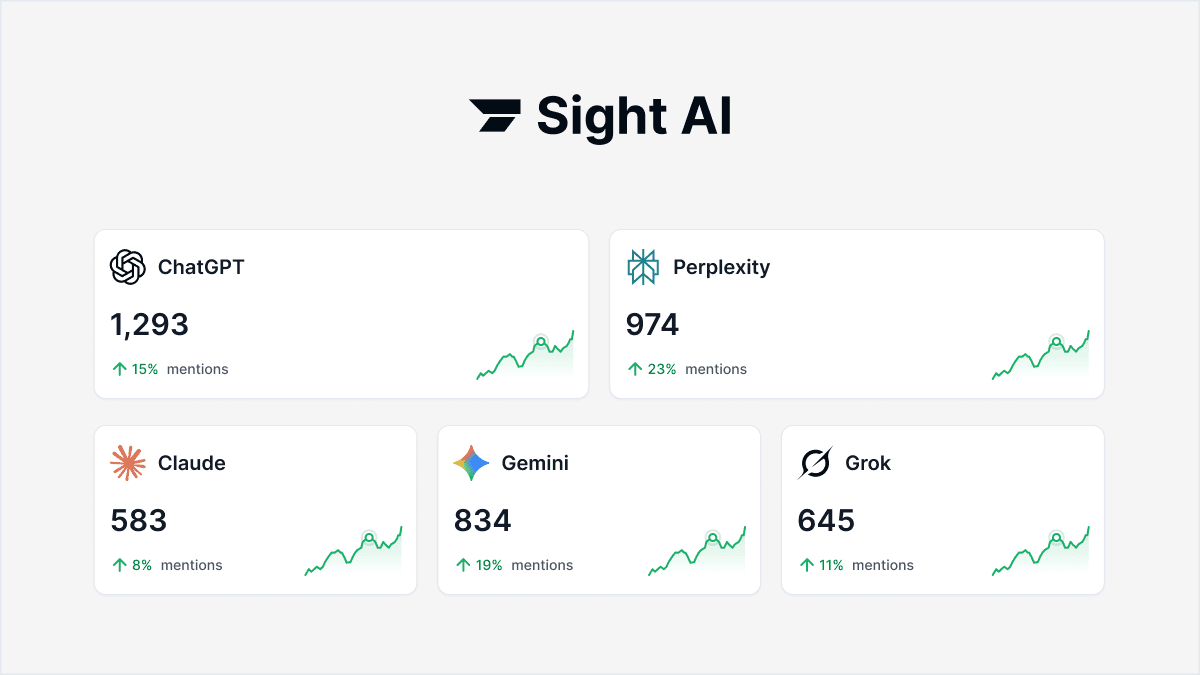
AI Visibility and Training Pipeline Entry: Beyond traditional search, faster indexing means faster entry into AI model training and retrieval systems. AI platforms like ChatGPT, Claude, and Perplexity pull from indexed web content. The sooner your content gets indexed, the sooner it becomes eligible for AI-generated responses and citations. For brands focused on AI visibility, instant indexing accelerates the path from publication to AI mention.
Setting Up Your Instant Indexing Workflow
Implementation doesn't require complex technical expertise, but following a structured approach ensures reliable, automated indexing from day one. Here's how to build an indexing workflow that actually works.
Step 1: Obtain Required API Credentials
Start by securing API access from the search engines you're targeting. For IndexNow, visit the IndexNow documentation and generate an API key—this single key works across all participating search engines. For Google's Indexing API, you'll need to set up a Google Cloud project, enable the Indexing API, and create service account credentials. This process involves a few verification steps but only needs to be completed once.
Step 2: Connect Your CMS or Publishing Platform
Most modern indexing services offer direct integrations with popular CMS platforms. If you're using WordPress, install the indexing plugin and enter your API credentials—you can find the best indexing tools for WordPress to streamline this process. For Webflow, connect via webhook integration that triggers on new page publications. For custom CMS platforms, use API endpoints to send publication events to your indexing service. The goal is automatic triggering—when content publishes, indexing happens without manual intervention.
Step 3: Configure Automation Rules
Define which content types trigger automatic submission. Typically, you'll want to index new blog posts, product pages, and landing pages immediately. You might exclude certain page types like thank-you pages or internal tools. Set update triggers so that editing existing content also prompts resubmission, ensuring search engines recognize content freshness. A robust content indexing automation service handles these rules seamlessly.
Step 4: Establish URL Prioritization Logic
Create priority tiers based on content importance and time sensitivity. Tier 1 might include breaking news and product launches requiring immediate submission. Tier 2 could cover standard blog content with same-day submission targets. Tier 3 might include minor updates with less urgency. This prioritization ensures critical content never waits behind routine updates.
Step 5: Set Up Monitoring and Alerts
Configure your dashboard to track submission success rates, indexing confirmation, and any failures requiring attention. Set up email or Slack alerts for submission errors so your team can address issues quickly. Regular monitoring helps you identify patterns—if certain content types consistently fail indexing, you can investigate and resolve the underlying cause.
Best Practices for Submission Frequency: While instant indexing allows rapid submission, avoid over-submitting the same URL repeatedly. Submit once when content publishes, and again when you make significant updates. Excessive resubmission can trigger rate limiting or appear as spam to search engines. Quality indexing tools implement automatic rate limiting to prevent this issue.
Troubleshooting Common Failures: If URLs fail to index despite successful submission, check for technical barriers. Ensure your robots.txt file isn't blocking search engine access. Verify that submitted URLs return proper 200 status codes rather than redirects or errors. Check that your sitemap includes the submitted URLs. Most indexing failures trace back to technical SEO issues rather than submission problems.
Putting It All Together: Building a Discovery-First Content Strategy
Instant indexing isn't a standalone tactic—it's a foundational component of a comprehensive content discovery strategy that spans traditional SEO, AI visibility, and audience reach.
The integration starts with your content production workflow. When you plan content calendars, factor in indexing speed as a competitive advantage. Time-sensitive pieces can be scheduled knowing they'll reach search results within hours rather than days. This changes how you approach trending topics, news coverage, and seasonal content—you can publish closer to peak search demand without worrying about indexing delays.
For AI visibility specifically, faster indexing creates faster entry into the content pools that AI models reference. When AI platforms update their training data or refresh their retrieval systems, recently indexed content becomes eligible for inclusion. This matters increasingly as AI-generated responses become primary answer sources for user queries. Your brand mentions in AI responses often depend on whether your content was indexed and accessible when AI systems last updated.
Measuring ROI requires tracking both speed and impact metrics. Monitor your average time-to-index before and after implementing instant indexing services. Many sites see improvements from 3-7 days down to same-day or next-day indexing through real-time indexing solutions. Then track the traffic impact—compare organic traffic acquisition speed for new content published with instant indexing versus historical content published without it. The difference often reveals significant revenue implications, especially for time-sensitive content.
The broader strategic value emerges when you combine instant indexing with other content infrastructure. Pair it with automated content generation tools that produce SEO-optimized articles at scale. Add AI visibility tracking to monitor how search engines and AI platforms reference your content. Connect it to your CMS for one-click publishing and automatic indexing. This integrated approach transforms content operations from manual, disconnected processes into a streamlined, automated system that maximizes every piece of content's discovery potential.
Your Next Steps: From Publishing to Discovery in Minutes
Instant indexing services have evolved from experimental tools to essential infrastructure for serious content operations. The competitive landscape of 2026 doesn't reward the best content—it rewards the best content that gets discovered first. When your competitors wait days for natural crawling while your content reaches search results in hours, you've created a sustainable competitive moat.
The technology is mature, accessible, and increasingly automated. Implementation takes hours, not weeks. The ROI shows up immediately in faster traffic acquisition and better content performance. For content teams publishing regularly, the question isn't whether to implement instant indexing—it's whether you can afford to keep waiting for natural discovery while competitors move faster.
The path forward is clear: automate your indexing, monitor your discovery speed, and integrate instant submission into your broader content strategy. Every hour your content sits undiscovered is an hour of competitive disadvantage. Every piece of content that reaches search results and AI platforms faster is another opportunity to capture traffic, build authority, and establish topical relevance before competitors catch up.
But discovery is only one piece of the visibility puzzle. Knowing your content is indexed quickly matters, but knowing how AI models actually talk about your brand matters more. Start tracking your AI visibility today and see exactly where your brand appears across top AI platforms. Stop guessing how ChatGPT and Claude reference your company—get visibility into every mention, uncover content opportunities that drive AI citations, and automate your path to organic traffic growth through content that both search engines and AI models discover and reference.