Publishing content is only half the battle—getting Google to find and index it quickly determines how soon you can start capturing organic traffic. Many marketers watch their carefully crafted articles sit in limbo for days or even weeks, losing valuable visibility to competitors who moved faster.
This guide walks you through six proven steps to accelerate how quickly Google discovers your new content, from technical optimizations to proactive submission methods. By the end, you'll have a systematic approach that can reduce discovery time from weeks to hours, giving your content the best chance to rank while it's still fresh and relevant.
Step 1: Audit Your Site's Crawlability Foundation
Before you can speed up content discovery, you need to ensure Google can actually access your site without technical roadblocks. Think of this as clearing the path before inviting guests over—no amount of fancy indexing tricks will help if Googlebot hits a wall at your front door.
Start with your robots.txt file. This seemingly simple text file can accidentally block entire sections of your site from search engines. Navigate to yoursite.com/robots.txt and review every "Disallow" directive carefully. Common mistakes include blocking your blog directory, resource pages, or even your entire site with a misplaced asterisk.
Next, verify your XML sitemap is properly formatted and submitted to Google Search Console. Your sitemap acts as a roadmap for crawlers, telling them exactly where to find your content. Log into Search Console, navigate to the Sitemaps section, and confirm your sitemap URL is listed and shows no errors. If you see warnings about invalid URLs or formatting issues, fix them immediately—a broken sitemap is worse than no sitemap at all.
Page load speed directly impacts crawl frequency. Google allocates a finite crawl budget to each site, and slow-loading pages consume more of that budget per URL. Use Google PageSpeed Insights to test your site's performance. If your pages take more than three seconds to load, you're likely getting crawled less frequently than faster competitors.
The fix often involves compressing images, enabling browser caching, and minimizing JavaScript. Even small improvements in load time can result in Google crawling more of your pages during each visit.
Finally, check for crawl errors in Google Search Console under the Coverage report. Look for 404 errors, server errors, and redirect chains that waste crawl budget. Each error represents a dead end where Googlebot spent resources but found nothing. If you're experiencing content indexing problems with Google, fixing these systematically is your first priority.
A clean crawlability foundation means every time Google visits your site, it can efficiently discover and index new content instead of hitting technical barriers. This single step often delivers the biggest impact on discovery speed.
Step 2: Implement IndexNow for Instant Notifications
Waiting for Google to stumble upon your new content during a scheduled crawl is like sending a letter and hoping it arrives on time. IndexNow flips this model by letting you proactively notify search engines the moment you publish something new.
IndexNow is an open protocol that allows publishers to instantly ping search engines about new or updated URLs. Instead of waiting hours or days for the next crawl, you're essentially ringing a doorbell and saying "Hey, I just published something worth checking out." The protocol is supported by Bing, Yandex, and other search engines, with growing adoption across the industry.
Setting up IndexNow starts with obtaining an API key. Most implementations generate a unique key that you'll use to authenticate your submissions. The key is typically a long alphanumeric string that you'll save as a text file in your site's root directory for verification purposes.
For WordPress sites, several plugins handle IndexNow integration automatically. Install a reputable IndexNow plugin, enter your API key in the settings, and configure it to ping search engines whenever you publish or update content. The plugin handles the technical details of formatting the API request and sending it to the right endpoints.
If you're using a custom CMS or static site generator, you'll need to implement the IndexNow API call programmatically. The process involves sending a POST request to the IndexNow endpoint with your URL, API key, and timestamp. Most modern platforms have straightforward documentation for adding this functionality to your publishing workflow. For a deeper dive into this protocol, explore our guide on IndexNow for faster content discovery.
After implementation, verify your submissions are working correctly. Check your IndexNow dashboard or logs to confirm pings are being sent successfully. You should see a record of each URL submitted along with a timestamp and response status. A successful submission doesn't guarantee instant indexing, but it ensures search engines are notified immediately rather than discovering your content during their next scheduled crawl.
The beauty of IndexNow is its set-it-and-forget-it nature. Once configured, it runs automatically in the background every time you publish. This means your newest content gets flagged for discovery within minutes instead of waiting in the queue for days.
For sites using Sight AI's content publishing tools, IndexNow integration is built directly into the workflow, automatically pinging search engines the moment your AI-generated content goes live.
Step 3: Optimize Your Internal Linking Architecture
Internal links are like breadcrumbs that guide Googlebot through your site. The more paths leading to a new page, the faster crawlers will discover it and the more important they'll perceive it to be.
When you publish new content, immediately link to it from your highest-authority existing pages. Think of your homepage, popular blog posts, or resource pages that already rank well and receive frequent crawls. Adding a link from these pages signals to Google that your new content is worth checking out soon.
Create topical clusters that naturally encourage deeper crawling. Group related content together with a pillar page that links to supporting articles, and ensure those supporting articles link back to the pillar and to each other. This web of connections helps crawlers discover everything in the cluster quickly once they land on any single page.
Use descriptive anchor text that helps Google understand what the linked page is about. Instead of generic "click here" or "read more" links, use phrases that include relevant keywords and context. This not only speeds up discovery but also helps the new page start ranking for its target terms faster. Our SEO content writing tips cover anchor text best practices in detail.
Consider adding a "Latest Posts" or "Recent Updates" section to your homepage or sidebar. This automatically creates fresh links to new content from a frequently crawled page. Every time Google crawls your homepage, it sees these new links and follows them to discover your latest articles.
The timing matters too. Don't wait days to add internal links to new content. The faster you create those pathways, the faster Google can follow them. If possible, build internal linking into your publishing workflow so it happens automatically when content goes live.
Monitor which pages on your site get crawled most frequently in Google Search Console. These are your high-value linking sources. Prioritize adding links from these pages to maximize discovery speed for new content.
Step 4: Submit URLs Directly Through Google Search Console
Sometimes you need to jump the queue. Google Search Console's URL Inspection tool lets you manually request indexing for specific pages, putting them at the front of the line for discovery.
Navigate to the URL Inspection tool in Search Console and paste the URL of your newly published content. Google will check if the URL is already indexed and show you its current status. If it's not indexed yet, you'll see a "Request Indexing" button. Click it to submit your URL for priority crawling.
Understand that Google imposes daily limits on manual submissions. You can't request indexing for hundreds of URLs every day. This makes strategic prioritization essential. Use manual requests for your highest-value content—cornerstone articles, time-sensitive posts, or pages targeting competitive keywords where every hour of delay costs potential traffic.
After submitting, monitor the indexing status over the following days. Return to the URL Inspection tool and check the same URL to see if Google has crawled and indexed it. You'll see details about when it was last crawled, any issues encountered, and whether it's currently indexed. If your content is not indexed by Google fast enough, this manual approach can provide immediate relief.
If Google reports coverage issues preventing indexing, the tool provides specific error messages. Common problems include noindex tags, canonical issues, or content quality concerns. Address these issues immediately and resubmit the URL once fixed.
Manual submission makes the most sense for new content that hasn't been discovered yet or updated content where you've made significant improvements. For routine publishing at scale, rely on automated methods like IndexNow and sitemap updates. Save your manual submission quota for content that truly needs immediate attention.
Think of manual URL submission as your emergency fast-pass. It's powerful but limited, so use it strategically rather than as your primary discovery method.
Step 5: Automate Your Sitemap Updates
A static sitemap that only updates when you remember to regenerate it creates unnecessary delays in content discovery. Dynamic sitemaps that update automatically the moment you publish ensure search engines always have the latest roadmap to your content.
Configure your CMS or site platform to generate sitemaps dynamically. Most modern platforms offer this functionality either natively or through plugins. The sitemap should automatically include new URLs as soon as they're published, without requiring manual intervention.
Set up automatic sitemap pinging to notify search engines when your sitemap changes. This works similarly to IndexNow but specifically alerts crawlers that your sitemap has been updated with new URLs. Many sitemap plugins include this functionality—enable it to send automatic pings to Google, Bing, and other search engines.
Include accurate lastmod timestamps for each URL in your sitemap. This timestamp tells search engines when the content was last modified, helping them prioritize fresh or recently updated pages. Make sure these timestamps update automatically when you edit existing content, not just when you publish new pages.
Keep your sitemap size manageable for efficient crawling. If your site has thousands of pages, split your sitemap into multiple files organized by content type or date. A sitemap index file can reference these individual sitemaps, making it easier for crawlers to process everything efficiently. The right faster content indexing tools can automate this entire process.
Verify your sitemap is accessible and properly formatted by checking it in Google Search Console regularly. Look for warnings about URLs that couldn't be crawled or formatting errors that might prevent proper parsing. A well-maintained sitemap should show minimal errors and high coverage rates.
Automation removes the human error factor from sitemap management. You'll never forget to update your sitemap or accidentally exclude new content because the system handles it consistently every single time.
Step 6: Establish a Consistent Publishing Rhythm
Google learns your publishing patterns over time. Sites that publish consistently on predictable schedules often see crawlers arrive like clockwork, checking for new content when they expect it to appear.
Publishing frequency directly affects how much crawl budget Google allocates to your site. If you publish daily, Google learns to check daily. If you publish sporadically, crawlers visit less frequently because there's often nothing new to find. Build a content calendar that establishes a sustainable rhythm your team can maintain long-term.
Consistency matters more than volume. Publishing three high-quality articles every Tuesday is better than publishing randomly whenever you finish something. The predictable pattern trains Google to prioritize crawling your site at specific times.
Quality signals also influence crawl frequency. Content that attracts engagement, earns backlinks, and satisfies search intent encourages Google to check your site more often. Focus on publishing valuable content that performs well rather than churning out low-quality posts just to maintain frequency. Understanding AI content optimization for search can help you maintain both quality and consistency.
Monitor your crawl stats in Google Search Console to understand how Google interacts with your site. Look at the Crawl Stats report to see how many pages are crawled daily, how much bandwidth is used, and when crawls typically occur. Use this data to optimize your publishing schedule.
If you notice Google crawls your site most heavily on Tuesday mornings, consider scheduling your most important content to publish Monday evening. This ensures fresh content is waiting when crawlers arrive during their regular visit.
Track how quickly new content gets indexed after publishing. If you're consistently seeing indexing within 24 hours, your current rhythm is working well. If it's taking several days, consider increasing publishing frequency or improving content quality to earn more crawl attention.
The goal is creating a virtuous cycle where consistent publishing leads to frequent crawling, which leads to faster discovery, which leads to better traffic results, which encourages you to maintain the publishing rhythm.
Putting It All Together: Your Content Discovery Action Plan
Faster content discovery on Google isn't about a single magic trick—it's about building a systematic approach that removes barriers and creates multiple pathways for crawlers to find your content quickly.
Start with the foundation. Audit your robots.txt file and sitemap today to ensure you're not accidentally blocking Google from accessing important content. Fix any crawl errors preventing discovery and improve page speed to maximize your crawl budget efficiency.
Implement IndexNow next. This single addition can cut discovery time from days to hours by proactively notifying search engines the moment you publish. Combined with automated sitemap updates, you're creating multiple notification channels that ensure Google knows about new content immediately.
Strengthen your internal linking architecture. Every new piece of content should have links from high-authority existing pages within hours of publishing. Build topical clusters that encourage deep crawling and make it easy for Google to discover everything related to a topic.
Use Google Search Console's manual URL submission strategically for your highest-priority content. Save this limited resource for pages where immediate indexing delivers the most value—competitive keywords, time-sensitive topics, or cornerstone content.
Finally, establish and maintain a consistent publishing rhythm. Google rewards predictability with more frequent crawls, creating a positive feedback loop that benefits all your content.
Most sites implementing this complete system see noticeable improvements in discovery speed within the first week. Content that previously took five to seven days to get indexed often appears in search results within 24 hours.
The competitive advantage of faster discovery compounds over time. Your content starts ranking while it's still fresh and relevant, you capture early traffic that competitors miss, and you build momentum that helps newer content rank faster too.
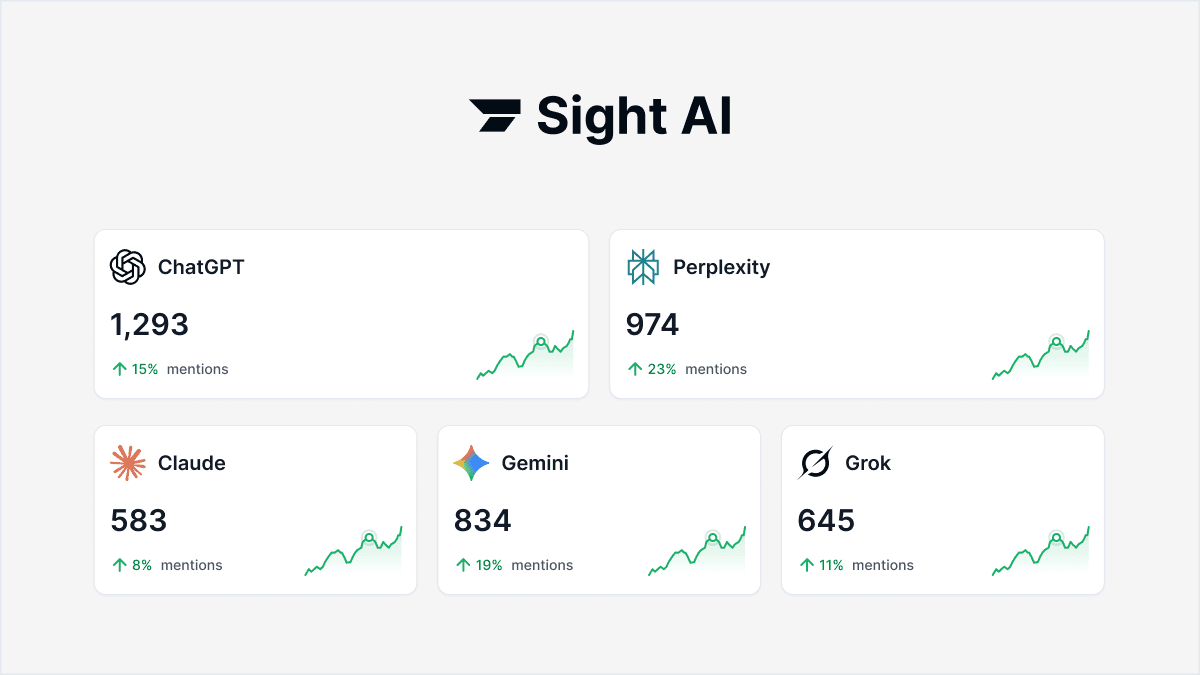
Stop guessing how AI models like ChatGPT and Claude talk about your brand—get visibility into every mention, track content opportunities, and automate your path to organic traffic growth. Start tracking your AI visibility today and see exactly where your brand appears across top AI platforms.