Organic traffic remains the most sustainable growth channel for digital businesses, but consistently producing high-quality content at scale has traditionally required significant resources. AI-generated articles have emerged as a practical solution for marketers and founders looking to build organic traffic without burning out their teams or budgets.
This guide walks you through the complete process of implementing AI content generation strategically—from selecting the right tools to measuring actual traffic impact. You'll learn how to create content that both search engines and AI models recommend, ensuring your brand gets discovered across traditional search and emerging AI-powered platforms.
By the end, you'll have a repeatable system for producing SEO-optimized articles that drive measurable organic growth. Let's break down exactly how to make AI-generated content work for your business.
Step 1: Audit Your Current Content Gaps and Traffic Opportunities
Before generating a single article, you need to understand where your content strategy has blind spots. Think of this as mapping the territory before you start building—you wouldn't construct a house without knowing where the foundation goes.
Start by analyzing your existing content performance in Google Search Console and your analytics platform. Look for queries where you're ranking on page two or three—these represent opportunities where you have some authority but need stronger content to break through. Understanding organic traffic in Google Analytics helps you identify these patterns effectively.
Next, use keyword research tools to identify topics with genuine search demand but manageable competition. Focus on long-tail keywords with clear intent rather than broad, competitive terms. A keyword like "how to track AI mentions of my brand" has more actionable intent than simply "AI tracking."
Map these opportunities to your buyer journey stages. Awareness-stage content answers broad questions and educates. Consideration-stage content compares solutions and explores approaches. Decision-stage content addresses specific implementation questions and objections.
Prioritize based on three factors: search volume (is anyone actually looking for this?), competition level (can you realistically rank?), and business relevance (does this topic connect to your product or service?). A topic with 500 monthly searches and low competition beats 5,000 searches with impossible competition. Mastering keyword research for organic SEO is essential for making these decisions.
Create a spreadsheet with columns for: target keyword, search volume, keyword difficulty, current ranking (if any), buyer journey stage, and estimated traffic potential. Sort by a weighted score that balances opportunity with feasibility.
Success indicator: You should have a prioritized list of 20-50 content opportunities with realistic traffic estimates. This becomes your content roadmap for the next quarter.
Step 2: Select and Configure Your AI Content Generation Platform
Not all AI writing tools are created equal when it comes to organic traffic generation. The difference between a generic AI writer and a platform built for SEO can mean the gap between content that ranks and content that disappears into the void.
Evaluate platforms based on their SEO optimization features, not just their ability to string sentences together. Look for built-in keyword density analysis, header structure recommendations, internal linking suggestions, and meta description generation. These features save hours of manual optimization work.
Pay attention to whether the platform supports structured content creation—the ability to define sections, specify tone for different parts of an article, and maintain consistency across multiple pieces. Exploring top AI blog writing platforms will help you compare these capabilities side by side.
Configure your brand voice settings carefully. Feed the platform examples of your best existing content, define your preferred tone (professional but conversational, technical but accessible, authoritative but friendly), and specify industry terminology you use consistently. The more context you provide upfront, the less editing you'll do later.
Set up integration with your content management system if the platform offers it. Direct publishing workflows eliminate the copy-paste friction that slows down content production. Understanding CMS integration for content automation can dramatically streamline your workflow.
Test the platform with 2-3 articles before committing to a full content calendar. Generate content on topics you understand well so you can accurately assess quality. Pay attention to factual accuracy, logical flow, and how much editing the output requires.
Success indicator: Your AI platform should be configured to produce content that sounds like your brand, requires minimal structural editing, and includes proper SEO elements from the first draft.
Step 3: Create Detailed Content Briefs That Guide AI Output
Here's where most teams stumble: they treat AI like a magic button and wonder why the output misses the mark. The quality of your briefs directly determines the quality of your content.
Start each brief with your primary keyword and 3-5 related secondary keywords. But don't just list them—explain the search intent behind each. Is someone looking for a definition, a comparison, a step-by-step process, or a buying decision? This context shapes how the AI structures the content.
Outline the specific questions and pain points the article must address. If you're writing about AI content generation, your audience might be asking: "Will this sound robotic?" "How much editing is required?" "Can search engines detect AI content?" Address these explicitly.
Specify required sections with enough detail that the AI understands what belongs in each. Instead of just "Benefits section," write "Benefits section: Focus on time savings, cost efficiency, and scalability. Include comparison to traditional content creation timelines."
Include competitor content analysis in your brief. Note what your top-ranking competitors cover well, and identify gaps where you can provide additional value. Maybe they explain the "what" but skip the "how." Maybe they're thorough but lack real examples. Your brief should direct the AI to fill those gaps.
Add specific examples, data points, or case studies you want included. If you have proprietary research, customer success stories, or unique insights, specify them in the brief. This is how you differentiate AI-generated content from the generic output everyone else is publishing.
Success indicator: Your briefs should be detailed enough that they produce first drafts requiring only light editing for voice and accuracy—not complete restructuring.
Step 4: Generate and Optimize Articles for Both SEO and GEO
This is where your preparation pays off. With solid briefs and a configured platform, generating comprehensive first drafts becomes straightforward. But getting content that ranks requires optimization for both traditional search engines and emerging AI models.
Use your AI platform to generate the complete first draft based on your brief. Review the structure first—does it flow logically? Are sections in a sensible order? Does the introduction hook readers and the conclusion provide clear takeaways? Fix structural issues before diving into line-by-line editing.
Optimize for traditional SEO fundamentals. Your title tag should include your primary keyword naturally while remaining compelling—think "How to Use AI Generated Articles for Organic Traffic" not "AI Generated Articles Organic Traffic Guide." Write meta descriptions that summarize value and include a call to action. Ensure header hierarchy makes sense (H2s for main sections, H3s for subsections).
Add internal links to relevant existing content on your site. This helps search engines understand your site structure and keeps readers engaged longer. Link to foundational content from advanced articles, and vice versa. Make sure anchor text is descriptive and natural.
Now apply Generative Engine Optimization principles—the emerging practice of optimizing content so AI models cite and recommend it. Learning how to optimize content for Perplexity AI gives you a framework for making your content citation-worthy across AI platforms.
Add unique insights that make your content citation-worthy. This could be original research, proprietary data, expert interviews, or detailed case studies. AI models tend to reference content that provides specific, verifiable information rather than generic advice.
Consider adding structured data markup where appropriate. FAQ schema, How-To schema, and Article schema help both search engines and AI models understand your content's purpose and structure.
Success indicator: Your articles should rank for target keywords within weeks and get mentioned when users ask AI assistants about your topic area.
Step 5: Implement Quality Control and Human Enhancement
AI generates content quickly, but speed without quality is just noise. This step separates content that drives traffic from content that wastes your domain authority.
Review every AI-generated article for factual accuracy before publishing. Never publish unverified statistics, fake case studies, or plausible-sounding claims without sources. If the AI includes a percentage or study reference, verify it exists and is accurately represented. When in doubt, remove specific claims and use general language instead.
Add expert perspective that only humans can provide. Share insights from your actual experience implementing the strategies you're writing about. Include lessons learned, common pitfalls you've observed, and nuanced considerations that AI might miss.
Inject real case studies and company-specific examples. Instead of "many companies have found success with this approach," reference actual businesses by name with verifiable sources. Or share examples from your own customers (with permission). Specificity builds credibility.
Ensure content aligns with E-E-A-T principles—Experience, Expertise, Authority, and Trust. Add author bios that establish credentials. Include dates to show content freshness. Link to authoritative sources. Make it clear why readers should trust your advice on this topic. Understanding AI generated content SEO performance helps you benchmark quality standards.
Check for generic language that sounds like it could appear on any site. Replace phrases like "in today's digital landscape" or "it's important to remember" with specific, actionable statements. If a sentence could work in an article about any topic, rewrite it.
Read the content aloud. Does it sound like something a human would actually say? Are there awkward transitions or robotic phrasing? Polish until it flows naturally.
Success indicator: Your content should pass AI detection tools while also passing your own quality standards. More importantly, it should provide genuine value to readers.
Step 6: Accelerate Indexing and Distribution
Publishing great content means nothing if search engines take weeks to discover it. Speed of indexing directly impacts how quickly your articles contribute to organic traffic.
Submit new content to search engines immediately using IndexNow protocol. This open standard allows you to notify search engines the moment you publish or update content. Implementing faster indexing for new content can cut your time-to-rank significantly.
Maintain updated XML sitemaps that reflect new content in real-time. Many content management systems generate sitemaps automatically, but verify yours updates immediately when you publish. Search engines use sitemaps as a roadmap to your site's content.
Distribute content across your owned channels on publication day. Send it to your email list with a compelling reason to read it. Share it on social channels where your audience is active. The initial engagement signals help search engines understand the content is valuable.
Create internal links from high-authority pages on your site to new content. If you have cornerstone content that ranks well and gets consistent traffic, add relevant links to your new articles. This helps search engines discover new content faster and passes authority to help it rank.
Monitor indexing status in Google Search Console. Check the URL Inspection tool 24-48 hours after publishing to confirm Google has crawled and indexed your article. If it hasn't, request indexing manually and investigate any crawling issues.
Troubleshoot problems quickly. If content isn't getting indexed, check for technical issues: Is the page blocked in robots.txt? Is there a noindex tag? Are there server errors? Is the page returning a 404? Address these immediately.
Success indicator: New articles should be indexed within hours to a few days, not weeks. You should see them appearing in Google Search Console's performance reports within a week.
Step 7: Track Performance and Iterate on Your Content Strategy
Publishing content is just the beginning. The real work is understanding what performs and why, then systematically doing more of what works.
Monitor organic traffic, rankings, and engagement metrics for each article. Use Google Search Console to track impressions, clicks, and average position for your target keywords. Set up goals in Google Analytics to track conversions that originate from organic content. Look at time on page and scroll depth to gauge engagement.
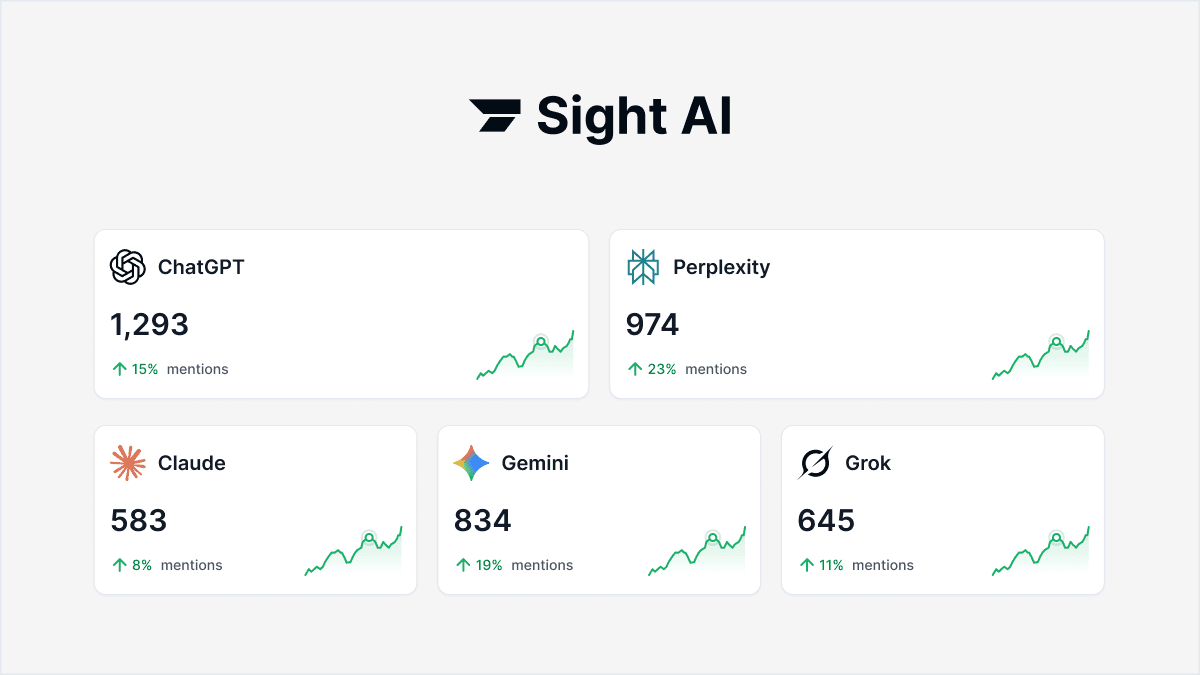
Track AI visibility—how often your content gets referenced by AI models like ChatGPT, Claude, and Perplexity. Understanding organic traffic from AI search is becoming essential as more users discover content through AI assistants rather than traditional search.
Identify patterns in your top-performing content. Do comprehensive guides outperform quick tips? Do articles with specific data points rank better than conceptual pieces? Does content addressing beginner questions or advanced implementation details drive more traffic? Using predictive content performance analytics can help you spot these patterns faster.
Update underperforming articles rather than abandoning them. If an article ranks on page two for a valuable keyword, it's worth improving rather than starting over. Add more comprehensive information, update outdated sections, improve the introduction, add internal links, or restructure for better readability.
Use search console data to discover unexpected opportunities. Look at queries where you're getting impressions but few clicks—these might need better titles or meta descriptions. Find queries where you rank on page one but for keywords you didn't target—these reveal content expansion opportunities.
Analyze competitor content that outranks you. What do they cover that you don't? How is their content structured differently? What type of examples or data do they include? Use this intelligence to improve your existing content or inform future articles.
Set up a regular review cadence—monthly for high-priority content, quarterly for the rest of your library. Content isn't set-it-and-forget-it. Search algorithms evolve, competitor content improves, and user needs change. Regular updates keep your content competitive.
Success indicator: You should see month-over-month organic traffic growth with clear attribution to your AI-generated content. More importantly, you should understand which types of content drive results so you can replicate success.
Your Path to Sustainable Organic Growth
Implementing AI-generated articles for organic traffic isn't about replacing human creativity—it's about scaling your content production while maintaining quality. The brands winning organic traffic today are those building systems that produce quality content consistently, and AI makes that achievable for teams of any size.
Use this checklist to stay on track: ✓ Content gaps identified and prioritized ✓ AI platform configured with brand settings ✓ Brief templates created for consistent output ✓ SEO and GEO optimization process documented ✓ Quality control workflow established ✓ Indexing automation active ✓ Performance tracking dashboard set up.
Start with a pilot batch of 5-10 articles on topics where you have expertise and can easily verify AI output quality. Measure results over 60-90 days—organic traffic growth takes time, and you need enough data to identify what's working. Track not just traffic volume but engagement metrics and conversion rates.
Once you've validated your process and identified what content types perform best, scale systematically. Add more topics, increase publishing frequency, and expand into related keyword clusters. But maintain your quality standards—volume without quality damages your site's authority.
Remember that AI visibility is becoming as important as traditional search rankings. As more users discover content through AI assistants, understanding how these models talk about your brand and reference your content gives you a competitive advantage. Start tracking your AI visibility today and see exactly where your brand appears across top AI platforms.
The future of organic traffic belongs to teams that combine AI efficiency with human expertise. Your competitive advantage isn't just using AI—it's using it strategically within a system that prioritizes quality, accuracy, and genuine value for your audience.