How to Optimize for Perplexity AI: Complete Step-by-Step Guide
Your comprehensive industry report ranks #1 on Google. You've built backlinks, optimized for featured snippets, and watched your organic traffic climb month after month. Then you check Perplexity AI—the platform where your target audience is increasingly searching for answers—and your brand is nowhere to be found.
This is the visibility gap that's catching marketers off guard in 2026.
Traditional SEO taught us to optimize for algorithms that rank pages based on authority signals, keyword relevance, and link profiles. But AI search platforms like Perplexity operate on fundamentally different principles. They don't rank—they synthesize information from multiple sources and cite the most relevant, authoritative content in their answers. Your domain authority means nothing if your content isn't structured for AI consumption and citation.
The shift is already happening. Users are moving from "give me ten blue links" to "give me the answer with sources." When someone asks Perplexity about your industry, you're either cited as an authority or you're invisible. There's no page two.
Here's what makes this particularly challenging: the optimization tactics that got you to the top of Google don't automatically translate to Perplexity citations. You need to understand how AI algorithms select sources, structure content for machine parsing, and build the kind of authority that makes your brand citation-worthy in real-time search results.
This guide walks you through the complete process—from understanding Perplexity's citation algorithm to implementing technical optimizations that get your content discovered, cited, and driving qualified traffic. You'll learn how to audit your current visibility, restructure content for AI consumption, build topical authority that earns consistent citations, and measure your success with AI-specific metrics.
Let's walk through how to optimize your content for Perplexity AI step-by-step.
Step 1: Understand How Perplexity AI Selects Sources
You've spent months perfecting your content strategy. Your blog posts rank on page one, your whitepapers generate steady downloads, and your thought leadership pieces earn social shares. Then someone asks Perplexity AI a question in your domain—and your brand doesn't appear in the answer.
This is the new visibility problem that traditional SEO can't solve.
Perplexity AI doesn't rank websites—it synthesizes information from across the web and cites the sources it deems most authoritative and relevant. Your backlink profile doesn't matter here. Your domain authority is invisible. What matters is whether your content is structured for AI consumption, demonstrates clear expertise, and provides information in formats that algorithms can extract and cite with confidence.
The fundamental shift is from "ranking for keywords" to "being cited as a source." When users ask Perplexity about industry trends, best practices, or technical solutions, the platform pulls from real-time web data and attributes specific claims to specific sources. Understanding how to optimize for answer engines becomes critical because if your content isn't optimized for this citation-based model, you're invisible—regardless of how well you perform in traditional search.
Here's what makes this particularly urgent: early movers gain compounding advantages. As Perplexity's algorithms learn which sources consistently provide accurate, well-structured information, those sources earn more frequent citations across related queries. You're not just optimizing for today's visibility—you're building algorithmic trust that influences future citation decisions.
The gap between traditional SEO performance and AI search visibility is widening. Brands that dominated Google for years are discovering they have zero presence in AI-generated answers. Meanwhile, newer sites with properly structured, citation-worthy content are earning mentions alongside—or instead of—established authorities.
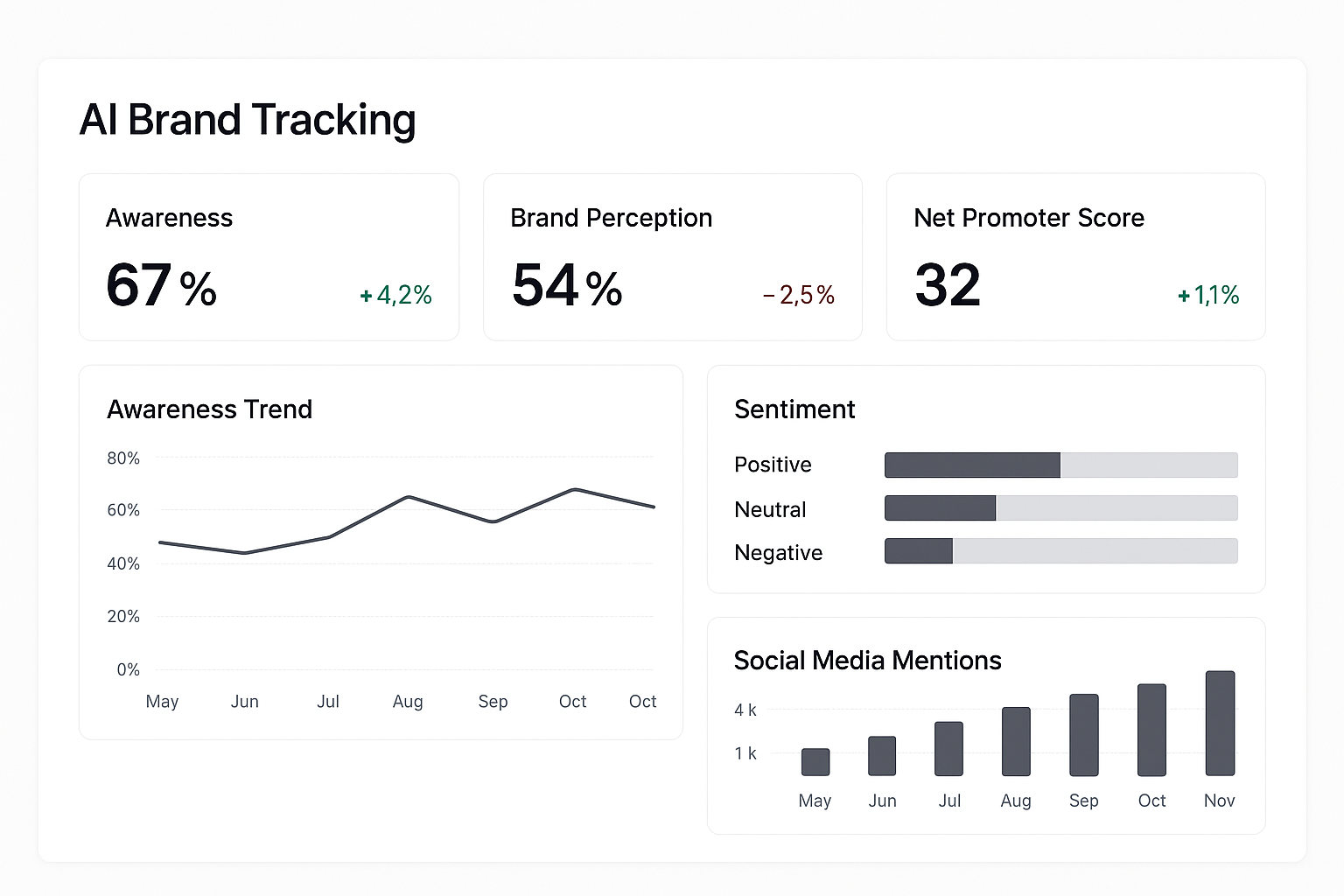
This guide walks you through the complete optimization process: understanding how Perplexity selects sources, auditing your current visibility, restructuring content for AI parsing, building topical authority that earns consistent citations, implementing technical optimizations that improve discoverability, and measuring success with AI-specific metrics. Each step builds on the previous one, creating a systematic approach to Perplexity optimization that delivers measurable results.
Step 2: Audit Your Current Perplexity AI Visibility
Before you can improve your Perplexity citations, you need to understand where you currently stand. Most brands discover they have zero visibility in AI search results—not because their content is poor, but because they've never measured it.
Start by testing queries your target audience would actually ask. Don't just search for your brand name. Ask Perplexity the questions your customers are asking: "What are the best [your category] solutions for [use case]?" or "How do I solve [problem your product addresses]?" Run 20-30 queries across your core topics and document every result.
For each query, note whether your brand appears in the answer, whether you're cited as a source, and what position you hold relative to competitors. Pay attention to which specific pages get cited—often it's not your homepage or product pages, but blog posts, guides, or documentation that provide direct answers to specific questions.
Track which competitors consistently appear in Perplexity results. Analyze their cited content to understand what makes it citation-worthy. Look for patterns in structure, depth, formatting, and topic coverage. The brands earning citations aren't necessarily the ones with the highest domain authority—they're the ones whose content is optimized for AI extraction and citation.
Document the types of content that get cited most frequently. Is Perplexity pulling from listicles, how-to guides, comparison articles, or data-driven reports? Understanding content format preferences helps you prioritize your optimization efforts. Learning how to speed up website indexing ensures that once you create optimized content, it gets discovered quickly by AI platforms.
Create a baseline visibility score by calculating what percentage of relevant queries include your brand in the answer or citations. This becomes your benchmark for measuring improvement. Most brands start at 0-5% visibility—which means there's significant opportunity for growth.
Set up a tracking system to monitor changes over time. Perplexity's results can shift as new content is published and algorithms are updated. Regular monitoring helps you identify what's working and what needs adjustment. Tools that track how to improve brand ai visibility can automate this process and provide consistent data.
Step 3: Structure Content for AI Citation
The content that earns Perplexity citations follows specific structural patterns that make it easy for AI algorithms to extract, understand, and attribute information. Your existing content might be excellent for human readers but poorly optimized for machine parsing.
Start with clear, descriptive headings that directly answer questions. Instead of clever or creative headlines, use straightforward language that matches how people actually search. "5 Ways to Improve Conversion Rates" is better than "The Secret Sauce of High-Converting Websites" because AI algorithms can immediately understand what information the section contains.
Break complex topics into discrete, self-contained sections. Each section should address one specific aspect of the topic with enough context that it could stand alone. This modular structure makes it easier for Perplexity to extract relevant information without requiring the full article context.
Use structured data markup to help AI algorithms understand your content. Schema markup for articles, how-to guides, FAQs, and other content types provides explicit signals about what information your page contains and how it's organized. This isn't just for Google Analytics—AI platforms use structured data to improve extraction accuracy.
Include explicit attribution and sourcing for claims and data. When you reference statistics, studies, or expert opinions, cite them clearly with links to original sources. Perplexity values content that demonstrates research rigor and provides users with paths to verify information. Implementing how to track chatgpt citations helps you understand which types of sourced content perform best across AI platforms.
Format lists, steps, and processes with clear numerical or bullet-point structure. AI algorithms excel at extracting procedural information when it's presented in sequential, easy-to-parse formats. A well-structured how-to guide is more likely to be cited than a narrative explanation of the same process.
Add context and definitions for technical terms and industry jargon. While your target audience might understand specialized language, AI algorithms benefit from explicit explanations that help them understand relationships between concepts and determine relevance to user queries.
Step 4: Build Topical Authority That Earns Citations
Perplexity doesn't cite random pages—it cites sources that demonstrate consistent expertise across a topic area. Building topical authority requires strategic content coverage that signals to AI algorithms that your brand is a reliable source for specific subjects.
Map your content coverage against the full scope of topics in your domain. Identify gaps where competitors have comprehensive content but you don't. These gaps represent missed citation opportunities. Create a content roadmap that systematically fills these gaps with high-quality, citation-worthy content.
Develop content clusters around core topics. Instead of isolated articles, create interconnected content that covers a topic from multiple angles—overview guides, detailed how-tos, case studies, data analyses, and expert perspectives. This depth of coverage signals expertise to AI algorithms. Using how to track ai chatbot mentions helps you identify which topic clusters are earning the most citations.
Update existing content regularly to maintain accuracy and relevance. Perplexity favors sources with current information, especially for topics where best practices, data, or recommendations change over time. Set up a content refresh schedule that prioritizes your highest-traffic and most citation-worthy pieces.
Create original research, data, and insights that other sources will reference. When your brand produces unique information that can't be found elsewhere, you become the primary source that AI platforms must cite. Original surveys, industry reports, and proprietary data analysis are particularly valuable for earning citations.
Demonstrate expertise through author credentials and expertise signals. Include author bios that establish relevant qualifications, link to author profiles with publication history, and use schema markup to signal expertise. AI algorithms increasingly factor author authority into source selection decisions.
Build relationships with other authoritative sources in your space. When respected publications and experts link to and reference your content, it signals to AI algorithms that your brand is a trusted source. Focus on earning editorial links from high-quality publications rather than pursuing link volume. Monitoring brand visibility in chatgpt and other AI platforms helps you understand how these authority signals translate to citations.
Step 5: Optimize Technical Elements for AI Discoverability
Even perfectly structured, authoritative content won't earn Perplexity citations if AI algorithms can't efficiently discover, crawl, and parse it. Technical optimization ensures your content is accessible and understandable to AI systems.
Ensure your site has a clean, crawlable architecture. AI platforms need to efficiently discover and access your content. Fix broken links, eliminate redirect chains, and create a logical site structure with clear navigation paths. Use XML sitemaps to help AI crawlers find all your important content.
Optimize page load speed and Core Web Vitals. While AI algorithms don't experience pages the way humans do, they do factor in technical performance signals when evaluating source quality. Slow, poorly performing pages are less likely to be cited even if the content is excellent.
Implement proper canonical tags to avoid duplicate content issues. When AI algorithms encounter multiple versions of the same content, they may skip citing any version to avoid attribution errors. Clear canonical signals ensure the correct version of your content gets cited.
Use descriptive, keyword-rich URLs that clearly indicate page content. URLs like "/guide/perplexity-optimization" are more informative to AI algorithms than "/p=12345". Clear URL structure helps algorithms understand content context before even parsing the page.
Optimize meta descriptions and title tags for clarity and relevance. While these don't directly appear in Perplexity answers, they help AI algorithms quickly assess page relevance to user queries. Write meta descriptions that clearly summarize page content rather than using marketing language.
Ensure mobile responsiveness and accessibility. AI platforms increasingly prioritize sources that provide good user experiences across devices. Responsive design, readable fonts, and proper contrast ratios signal quality to algorithms evaluating potential sources. For teams managing multiple content assets, exploring bulk content creation strategies can help maintain technical standards across all pages.
Step 6: Create Answer-Focused Content Formats
Perplexity excels at answering specific questions, which means content explicitly designed to provide clear, direct answers earns more citations than general informational content. Shift your content strategy toward answer-focused formats.
Develop comprehensive FAQ sections that address common questions in your domain. Structure each Q&A pair as a self-contained unit with the question as a heading and a complete answer in the following paragraph. This format is ideal for AI extraction and citation.
Create comparison content that directly contrasts options, solutions, or approaches. "X vs Y" articles that clearly outline differences, advantages, and use cases are highly citation-worthy because they provide the exact information users seek when making decisions.
Write step-by-step guides with clear, sequential instructions. Procedural content that breaks complex processes into manageable steps is perfect for AI citation because each step can be extracted and presented as part of an answer.
Develop "what is" and "how to" content that directly addresses search intent. These formats align perfectly with how users query AI platforms. Content that immediately provides definitions, explanations, or instructions is more likely to be cited than content that requires users to extract answers from longer narratives.
Create data-driven content with clear statistics, findings, and insights. When users ask questions that require factual information or data, Perplexity looks for sources that present numbers clearly with proper context and attribution. Charts, tables, and data visualizations make your content more citation-worthy.
Build resource pages and curated lists that aggregate valuable information. "Best tools for X" or "Complete guide to Y" pages that comprehensively cover a topic become go-to sources that AI platforms cite repeatedly across related queries. Using prompt tracking for brand mentions helps you identify which resource formats earn the most consistent citations.
Stop guessing how AI models like ChatGPT and Claude talk about your brand—get visibility into every mention, track content opportunities, and automate your path to organic traffic growth. Start tracking your AI visibility today and see exactly where your brand appears across top AI platforms.