The Google Indexing API was a game-changer when it launched—but with strict eligibility requirements limiting it to job posting and livestream content, most website owners find themselves locked out. If you've tried to use the API only to discover your site doesn't qualify, you're not alone.
The good news? Several powerful alternatives have emerged that can dramatically accelerate how quickly search engines discover and index your content.
From protocol-based solutions like IndexNow to automated sitemap strategies, these approaches work for any website type without Google's restrictive eligibility rules. This guide covers seven battle-tested alternatives that SEO professionals and marketers are using right now to bypass indexing delays and get their content ranking faster.
1. IndexNow Protocol
The Challenge It Solves
Traditional indexing relies on search engines discovering your content through scheduled crawls, which can take days or even weeks. For time-sensitive content, product launches, or competitive industries, this delay means missed opportunities and slower organic growth.
IndexNow flips this model on its head by letting you push notifications directly to search engines the moment you publish.
The Strategy Explained
IndexNow is an open-source protocol launched in 2021 by Microsoft Bing and Yandex that allows website owners to instantly notify search engines about content changes. Unlike Google's Indexing API, IndexNow has no content-type restrictions and works for any URL on any site.
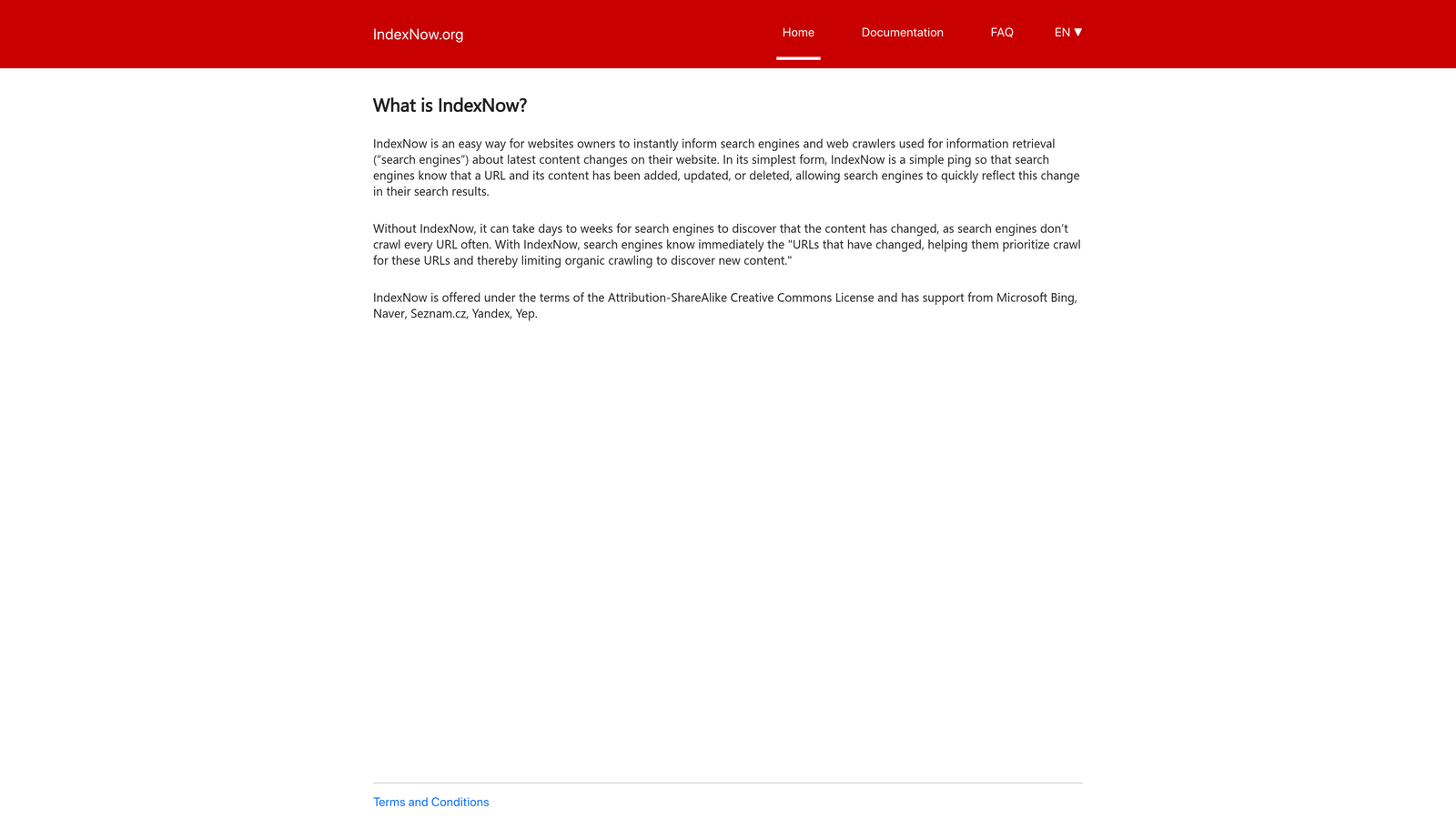
Here's what makes it powerful: when you submit to one IndexNow-enabled engine, the notification is shared across all participating engines. Submit once, notify multiple search platforms.
While Google has acknowledged IndexNow but hasn't officially joined the protocol as of early 2026, Bing, Yandex, Seznam, and other search engines actively use it. For websites targeting international audiences or diversifying beyond Google, this becomes even more valuable.
Implementation Steps
1. Generate an API key through any IndexNow-enabled search engine or use a simple text string as your key
2. Create a verification file containing your key and upload it to your domain root (e.g., yourdomain.com/your-api-key.txt)
3. Submit URLs via HTTP POST or GET requests to the IndexNow endpoint whenever you publish or update content
4. Monitor your server logs to confirm search engines are receiving and processing your notifications
Pro Tips
Don't spam the protocol with unchanged URLs—IndexNow works best when you only submit genuinely new or updated content. Many modern CMS platforms now include IndexNow integration plugins that automate the entire process, eliminating manual submission work entirely.
2. Automated Sitemap Submission
The Challenge It Solves
Static sitemaps become outdated the moment you publish new content. Search engines might not check your sitemap for days, leaving fresh pages undiscovered. Manual sitemap updates and pings are time-consuming and easy to forget, creating indexing gaps that slow your organic growth.
The Strategy Explained
Dynamic sitemap generation with automated ping services creates a real-time notification system that alerts search engines immediately when your content structure changes. Instead of waiting for scheduled crawls, you're proactively telling search engines "new content is here—come get it."
The approach combines two elements: a dynamically generated sitemap that automatically includes new URLs as you publish, and automated ping services that notify search engines the instant your sitemap updates. This creates a continuous loop of discovery rather than periodic checks.
Think of it like the difference between leaving a note on someone's desk versus sending them an instant message. Both deliver the information, but one triggers immediate action.
Implementation Steps
1. Set up dynamic sitemap generation through your CMS or a plugin that automatically adds new URLs as content publishes
2. Configure automated ping services to notify Google, Bing, and other search engines whenever your sitemap updates
3. Submit your sitemap URL through Google Search Console and Bing Webmaster Tools for baseline registration
4. Test the workflow by publishing a new page and verifying that your sitemap updates and pings fire automatically
5. Monitor indexing speed through Search Console's Coverage reports to measure improvement over baseline
Pro Tips
Split large sitemaps into multiple files organized by content type or update frequency—this helps search engines prioritize crawling your most important or frequently updated sections. Set up monitoring alerts for sitemap errors so you catch technical issues before they create indexing delays.
3. Google Search Console URL Inspection
The Challenge It Solves
You've published critical content—a product launch, breaking news coverage, or a response to a trending topic—but it's sitting invisible in search results. Waiting for Google's standard crawl schedule means your competitors might rank first, or worse, the moment of relevance might pass entirely.
The Strategy Explained
Google Search Console's URL Inspection tool provides a direct line to Google's indexing system, allowing approximately 10 individual URL submission requests per day for indexing consideration. This soft limit may adjust, but the tool remains your most direct method for priority indexing requests.
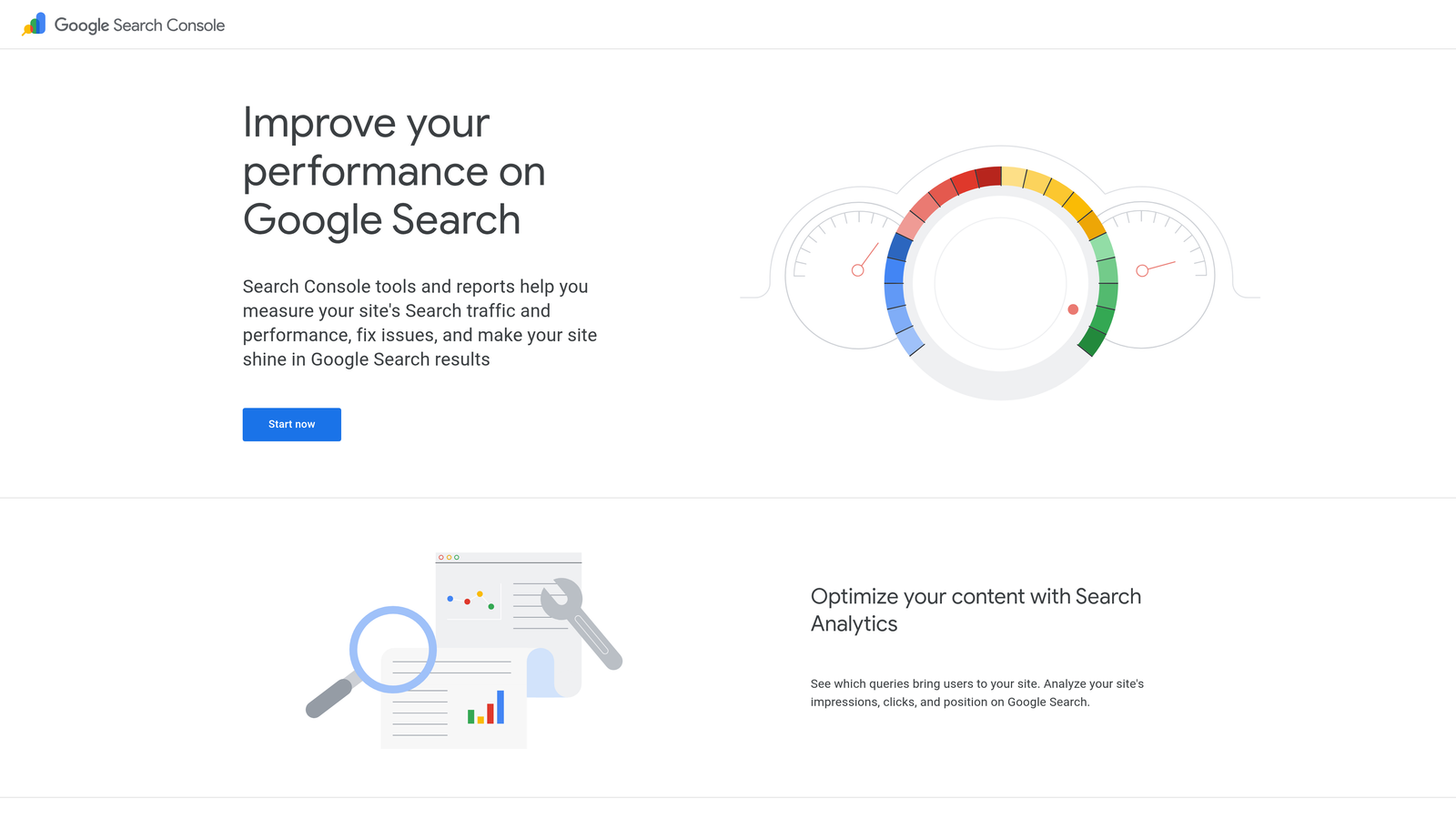
Beyond submission, URL Inspection provides detailed diagnostics about a URL's index status, crawl data, and any issues preventing indexing. You're not just requesting indexing—you're getting visibility into exactly why a page might not be indexed and what technical barriers exist.
This makes it perfect for high-value pages where you need both speed and diagnostic insight: cornerstone content, conversion-optimized landing pages, or time-sensitive articles where ranking quickly matters more than volume.
Implementation Steps
1. Access Google Search Console and navigate to the URL Inspection tool in the left sidebar
2. Enter the full URL of your newly published or updated page and click the search icon
3. Review the detailed crawl information, mobile usability data, and any indexing issues Google identifies
4. Click "Request Indexing" if the URL is eligible—Google will add it to the priority crawl queue
5. Track the indexing status over the following days by re-inspecting the URL to confirm when it appears in Google's index
Pro Tips
Use your daily quota strategically on your highest-impact pages rather than trying to submit every new article. Combine this with strong internal linking from already-indexed pages to create multiple discovery pathways for Google's crawlers.
4. Strategic Internal Linking
The Challenge It Solves
New content published in isolated corners of your site can remain undiscovered for extended periods. Without clear pathways from your most frequently crawled pages, search engines may take weeks to stumble upon fresh content, regardless of its quality or relevance.
The Strategy Explained
Internal linking remains one of Google's primary methods for discovering new content. Pages that receive more internal links from high-authority pages on the same domain tend to be crawled more frequently—it's how you create a roadmap that guides search engine bots directly to your newest content.
Server log analysis reveals which pages Googlebot visits most often, helping identify optimal link sources. Your homepage, popular blog posts, and category pages typically receive the highest crawl frequency. By adding contextual links from these high-traffic pages to new content, you're essentially creating express lanes for crawler discovery.
The approach works because crawlers follow links like breadcrumbs. When Googlebot visits your homepage and finds a link to your new article, it follows that link immediately rather than waiting to discover the page through sitemap checks or external signals.
Implementation Steps
1. Analyze your server logs or use crawl frequency data from Search Console to identify your most frequently crawled pages
2. Add contextual links from these high-authority pages to newly published content within 24 hours of publication
3. Update your homepage or main navigation to include links to recent content sections or featured articles
4. Create a "Recent Articles" or "Latest Updates" section on high-traffic pages that automatically displays new content
5. Build topic clusters where pillar pages link to all related content, ensuring new articles immediately connect to established authority pages
Pro Tips
Don't just add links—make them contextual and valuable to users. Search engines recognize and reward natural linking patterns that genuinely help visitors discover related content. Avoid footer or sidebar link spam that provides minimal value.
5. Social Media and Content Syndication
The Challenge It Solves
Relying solely on search engine crawlers creates a single point of failure in your indexing strategy. If your sitemap isn't checked or your internal linking structure has gaps, content can languish undiscovered. You need multiple discovery pathways that work independently of traditional crawl schedules.
The Strategy Explained
Social signals don't directly impact rankings, but social platforms have their own crawlers that can trigger search engine discovery. Content shared on platforms like Twitter, LinkedIn, and Reddit often gets indexed faster due to the high crawl frequency of these domains.
When you share a link on social media, several things happen simultaneously: the platform's own crawler visits your URL to generate preview cards, search engine bots monitoring social platforms may discover the link, and if the post generates engagement, external sites might reference it, creating backlinks that further signal relevance.
Content syndication takes this further by republishing your content on high-authority platforms like Medium, LinkedIn Articles, or industry-specific publication sites. These platforms have extremely high crawl frequencies, and syndicated content includes canonical links back to your original article, creating additional discovery pathways.
Implementation Steps
1. Share new content across your primary social channels within the first hour of publication to maximize early discovery
2. Use social platforms with high search engine visibility—Twitter and LinkedIn particularly show up quickly in Google's index
3. Republish cornerstone content on syndication platforms like Medium or industry publications with proper canonical tags pointing to your original URL
4. Engage with industry communities on Reddit, Quora, or niche forums by sharing relevant content where it adds genuine value to discussions
5. Monitor referral traffic and indexing speed to identify which social channels provide the fastest discovery for your content
Pro Tips
Focus on platforms where your target audience is most active—there's no point optimizing for Twitter if your audience lives on LinkedIn. Always include compelling preview text and images to maximize engagement, which indirectly boosts the likelihood of additional shares and backlinks.
6. Third-Party Indexing Tools
The Challenge It Solves
Managing multiple indexing strategies across different platforms becomes overwhelming quickly. Between IndexNow submissions, sitemap updates, social sharing, and manual URL inspections, you're juggling five different tools and workflows. For agencies or sites publishing dozens of articles weekly, this manual approach doesn't scale.
The Strategy Explained
Dedicated indexing services combine multiple methods—backlink creation, pinging, API integrations, and social signals—into unified platforms that automate the entire indexing workflow. These tools handle the technical complexity while you focus on content creation and strategy.
The best services go beyond simple pinging by creating a multi-channel indexing approach: they submit to IndexNow endpoints, ping sitemap services, generate temporary backlinks from high-crawl-frequency domains, and distribute URLs across social bookmarking sites. It's like having a team of SEO specialists executing a coordinated indexing campaign for every URL you publish.
What makes these tools valuable isn't any single feature—it's the orchestration. They ensure no indexing opportunity gets missed while maintaining the submission patterns and frequency that search engines prefer.
Implementation Steps
1. Research indexing services that align with your content volume and budget—options range from affordable self-service tools to enterprise platforms
2. Integrate the service with your website through API connections or RSS feed monitoring for automatic URL detection
3. Configure indexing preferences including which search engines to target and how aggressively to pursue indexing
4. Set up automated workflows that trigger indexing campaigns immediately when new content publishes
5. Monitor indexing success rates and adjust strategies based on which methods deliver the fastest results for your specific site
Pro Tips
Look for services that provide detailed reporting on indexing status across different search engines—visibility into what's working helps you optimize your broader SEO strategy. Avoid services that promise instant indexing through manipulative techniques that could trigger penalties.
7. CMS Auto-Publishing with Indexing Workflows
The Challenge It Solves
Even with the best indexing strategies, manual execution creates bottlenecks and inconsistency. Someone forgets to submit to IndexNow, the sitemap ping doesn't fire, or social sharing gets delayed. These small gaps compound over time, creating unpredictable indexing speeds and missed opportunities for time-sensitive content.
The Strategy Explained
Modern CMS platforms integrate IndexNow and sitemap updates directly into the content publishing process, eliminating manual steps entirely. The moment you hit "publish," automated workflows trigger across multiple channels: IndexNow notifications fire, sitemaps update and ping, social sharing queues activate, and internal linking structures adjust to include the new content.
This approach transforms indexing from a post-publication task into an integral part of your publishing workflow. There's no gap between content creation and search engine notification—everything happens in a coordinated sequence within seconds of publication.
Platforms like Sight AI take this further by combining content generation, IndexNow integration, and automated sitemap updates in a unified system. You're not just publishing faster—you're ensuring every piece of content immediately enters the discovery pipeline across multiple search engines.
Implementation Steps
1. Evaluate your current CMS capabilities for indexing automation—many modern platforms include these features natively or through plugins
2. Configure IndexNow integration with your API key and enable automatic submission on content publication
3. Set up automated sitemap generation that updates in real-time as new content publishes and triggers immediate ping notifications
4. Create publishing templates that include automated internal linking from high-authority pages to new content
5. Test the complete workflow by publishing a test article and verifying all automated steps execute correctly
Pro Tips
Document your automated workflows so team members understand what happens behind the scenes—this prevents duplicate manual submissions that could appear spammy to search engines. Schedule regular audits to ensure integrations remain functional as your CMS and tools update.
Putting Your Indexing Strategy Into Action
Start with the highest-impact, lowest-effort solutions first. IndexNow implementation takes minutes and provides instant benefits across multiple search engines. Pair this with automated sitemap management for a solid foundation that works continuously without ongoing manual effort.
For Google specifically, combine strategic internal linking with targeted URL Inspection submissions for your most important pages. Use your daily quota on cornerstone content, product launches, or time-sensitive articles where speed matters most.
The key is building a multi-channel approach rather than relying on any single method. Think of it like diversifying an investment portfolio—if one channel experiences delays, others continue working to ensure your content gets discovered.
As AI-powered search continues to evolve, getting your content indexed quickly isn't just about traditional rankings. It's about ensuring AI models can discover and reference your brand. The faster your content enters search indexes, the sooner it becomes part of the knowledge base that powers AI responses.
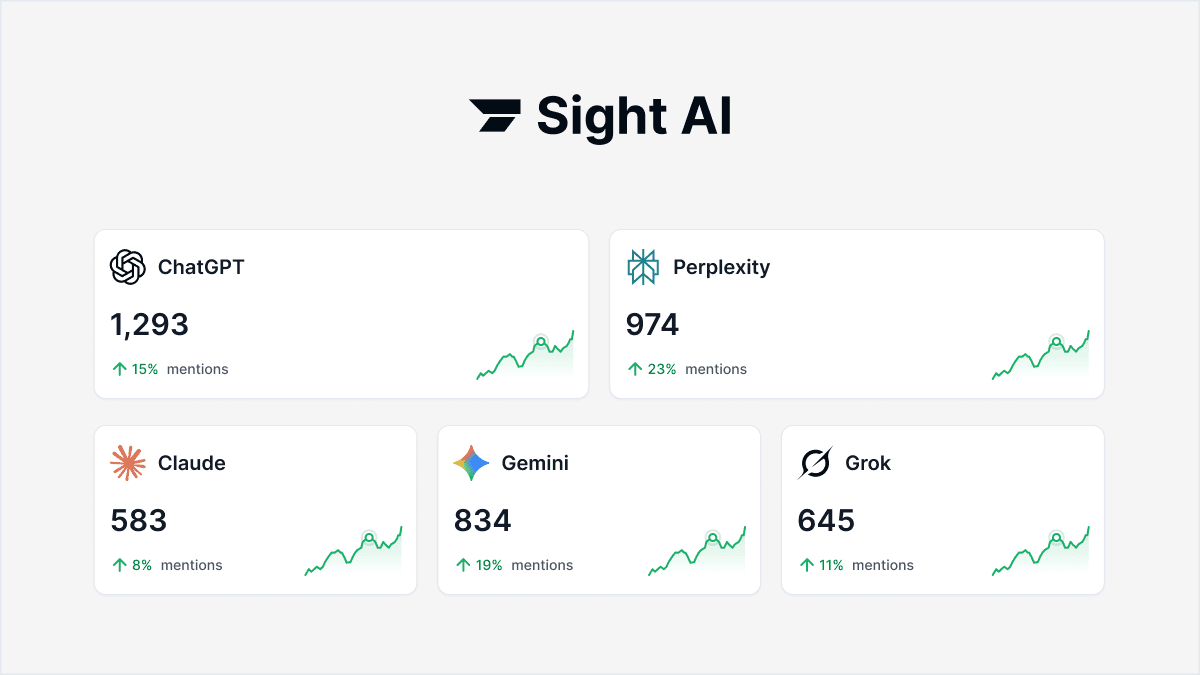
Stop guessing how AI models like ChatGPT and Claude talk about your brand—get visibility into every mention, track content opportunities, and automate your path to organic traffic growth. Start tracking your AI visibility today and see exactly where your brand appears across top AI platforms.