Small marketing teams face a persistent challenge: competing against larger organizations with dedicated SEO departments, bigger budgets, and more resources. The good news? SEO automation has leveled the playing field.
By strategically automating repetitive tasks, small teams can focus their limited time on high-impact activities that actually move the needle. This guide covers seven battle-tested automation strategies specifically designed for lean teams—no enterprise budgets required.
Each strategy prioritizes quick implementation, measurable results, and sustainable workflows that won't overwhelm your team. Let's dive into the automation approaches that help small teams punch above their weight.
1. Automate Content Indexing to Accelerate Discovery
The Challenge It Solves
Publishing great content means nothing if search engines take days or weeks to discover it. Traditional indexing relies on search engine crawlers finding your content organically, which can delay visibility for time-sensitive topics or competitive keywords.
Small teams can't afford to wait. Every day your content remains undiscovered is a day your competitors gain ground. Manual submission through Google Search Console works but becomes unsustainable when you're publishing regularly.
The Strategy Explained
IndexNow protocol enables instant notification to search engines the moment you publish new content. Instead of waiting for crawlers to find your updates, you proactively tell search engines exactly what's new.
This approach works across multiple search engines simultaneously. When you submit a URL through IndexNow, participating search engines receive immediate notification, dramatically reducing the time between publication and indexing.
Automated sitemap updates complement this strategy. Your sitemap should update automatically whenever new content goes live, ensuring search engines always have access to your latest pages without manual intervention.
Implementation Steps
1. Generate an IndexNow API key and add it to your website's root directory or meta tags for verification.
2. Configure your CMS or website platform to automatically submit URLs to IndexNow whenever content is published or updated.
3. Set up automated sitemap generation that triggers whenever your site structure changes, and submit the updated sitemap to search engines automatically.
4. Create a monitoring dashboard to track indexing speed and identify any URLs that fail to index within your expected timeframe.
Pro Tips
Don't just automate new content—set up automated resubmission for updated articles. When you refresh existing content, notify search engines immediately to ensure they recrawl and reindex the improved version. This keeps your search presence current without manual tracking.
2. Deploy AI Writing Assistants for First-Draft Generation
The Challenge It Solves
Content creation consumes enormous amounts of time for small teams. The blank page problem slows down even experienced writers, and producing the volume of content needed to compete in search results feels overwhelming when you're wearing multiple hats.
Writer's block, research time, and structural planning can turn a single article into a multi-day project. Small teams need to maintain content velocity without sacrificing quality or burning out their limited resources.
The Strategy Explained
AI writing assistants handle the heavy lifting of first-draft creation, transforming your content process from blank page to editing mode. These tools work best when you provide clear outlines, target keywords, and strategic direction—then let the AI generate structured initial drafts.
The key is treating AI output as a starting point, not a finished product. Your team focuses on strategic editing, fact-checking, adding unique insights, and ensuring the content matches your brand voice. This division of labor maximizes both speed and quality.
Modern AI content tools include specialized agents for different content types—listicles, how-to guides, comparison articles—each optimized for specific formats. This specialization produces better initial drafts than generic AI writing tools.
Implementation Steps
1. Select an AI content platform with specialized agents for your most common content types and built-in SEO optimization capabilities.
2. Create standardized content briefs that include target keywords, required sections, word count targets, and key points to cover—this ensures consistent AI output quality.
3. Establish a two-stage workflow where AI generates the first draft, then your team adds original research, examples, and brand-specific insights during the editing phase.
4. Build a quality checklist that every AI-generated draft must pass before publication, including fact-checking requirements and originality standards.
Pro Tips
Use AI to generate multiple content variations simultaneously. Create three different introductions or five different headline options, then select the strongest elements from each. This approach leverages AI's speed while maintaining human editorial judgment for final decisions.
3. Set Up Automated Rank Tracking and Alert Systems
The Challenge It Solves
Manual rank checking wastes valuable hours every week. Logging into rank tracking tools, checking positions for dozens or hundreds of keywords, and trying to spot meaningful changes in spreadsheets diverts time from strategic optimization work.
Worse, manual checking often means you discover ranking drops days after they happen, when recovery becomes harder. Small teams need to know about significant changes immediately without constant monitoring.
The Strategy Explained
Automated rank tracking monitors your keyword positions continuously and only alerts you when something important happens. Instead of checking rankings daily, you receive notifications when keywords move beyond predetermined thresholds—like dropping five positions or entering the top three results.
Smart alert systems filter out normal ranking fluctuations and highlight genuine trends. This approach keeps your team informed without overwhelming them with data noise. You focus attention where it matters: significant gains worth amplifying and significant losses requiring immediate investigation.
The best automated systems track rankings across multiple search engines and devices, providing comprehensive visibility without multiplying your manual checking burden.
Implementation Steps
1. Configure automated daily rank tracking for your priority keywords across desktop and mobile search results.
2. Set up intelligent alert rules that notify you when rankings change by specific thresholds—such as entering page one, dropping out of top ten, or moving five positions in either direction.
3. Create automated weekly summary reports that highlight your biggest gainers and losers, eliminating the need for manual report compilation.
4. Integrate rank tracking data with your content calendar so you can quickly identify which content updates correlate with ranking improvements.
Pro Tips
Set different alert thresholds for different keyword categories. Your brand terms might warrant immediate alerts for any movement, while informational keywords might only need alerts for major changes. This prevents alert fatigue while ensuring you never miss critical ranking shifts.
4. Streamline Technical SEO Audits with Scheduled Crawls
The Challenge It Solves
Technical SEO issues often hide until they've already damaged your rankings. Broken links, redirect chains, missing meta tags, and crawl errors accumulate gradually, and by the time you notice them manually, you've lost valuable search visibility.
Running comprehensive technical audits manually requires specialized knowledge and significant time investment. Small teams struggle to maintain regular audit schedules when competing priorities constantly demand attention.
The Strategy Explained
Scheduled automated crawls act as your technical SEO early warning system. Configure crawling tools to scan your entire site weekly or monthly, automatically flagging new issues the moment they appear.
These automated audits check for common technical problems: broken internal links, slow-loading pages, duplicate content, missing structured data, and crawl accessibility issues. You receive prioritized reports highlighting which issues impact the most important pages or affect the greatest number of URLs.
The automation handles both detection and prioritization, so your team can focus on fixing issues rather than hunting for them. This approach catches problems before they compound into larger ranking threats.
Implementation Steps
1. Select a technical SEO tool that supports scheduled automated crawls and configure it to scan your entire site at regular intervals based on your update frequency.
2. Customize the crawl settings to prioritize issues that matter most for your site—such as broken links on high-traffic pages or missing meta descriptions on recently published content.
3. Set up automated email reports that deliver issue summaries with clear severity ratings, so you can quickly triage which problems need immediate attention.
4. Create a simple workflow where the most critical issues automatically generate tasks in your project management system, ensuring they don't get overlooked.
Pro Tips
Run differential crawls that compare each audit against the previous one. This highlights exactly what changed since your last check, making it easy to spot whether recent site updates introduced new technical problems. You'll catch issues within days instead of months.
5. Automate Content Publishing Across Your CMS
The Challenge It Solves
The content publishing bottleneck kills momentum for small teams. You've created great content, but manually copying it into your CMS, formatting it properly, adding images, setting meta tags, and scheduling publication turns a quick task into a tedious process.
Manual publishing also introduces consistency problems. Different team members format content differently, forget crucial SEO elements, or make mistakes during the copy-paste process. These inconsistencies hurt both user experience and search performance.
The Strategy Explained
Direct CMS integration eliminates the publishing bottleneck by connecting your content creation workflow straight to your website. Content moves from draft to published automatically, with proper formatting, optimized meta tags, and correct categorization applied consistently every time.
This automation handles the mechanical aspects of publishing while maintaining quality standards. Your team sets the rules once—how content should be formatted, which meta tags to include, how to structure URLs—and the system applies those rules automatically to every piece of content.
The time savings compound quickly. What once took 30 minutes of manual work per article becomes a one-click operation, freeing your team to produce more content or focus on promotion and optimization.
Implementation Steps
1. Connect your content creation platform directly to your CMS using native integrations or API connections that support automated publishing workflows.
2. Configure publishing templates that automatically apply your standard formatting, meta tag structures, and content organization rules to every article.
3. Set up automated image optimization and alt text generation to ensure visual content is properly prepared for both users and search engines without manual intervention.
4. Create approval workflows where content moves automatically from draft to review to published status based on your team's quality control process.
Pro Tips
Build automated publishing schedules that distribute your content strategically throughout the week. Instead of publishing everything at once, automatically stagger releases to maintain consistent site activity and maximize your content's visibility over time.
6. Build Automated Competitor Monitoring Dashboards
The Challenge It Solves
Keeping tabs on competitor SEO strategies manually is nearly impossible for small teams. By the time you notice a competitor ranking for your target keywords or publishing content in your space, they've often already captured significant traffic.
Manual competitor research requires visiting multiple competitor sites, checking their rankings, analyzing their content, and tracking their backlink profiles—a process that could consume entire days if done thoroughly. Small teams need competitive intelligence without the time investment.
The Strategy Explained
Automated competitor monitoring tracks your rivals' SEO activities continuously and delivers digestible insights on a regular schedule. These systems watch for new content, ranking changes, backlink acquisitions, and technical improvements across your competitive set.
The automation aggregates data from multiple sources into unified dashboards that highlight what's actually important. Instead of drowning in raw data, you receive actionable intelligence: which competitor content is gaining traction, where they're winning rankings you want, and what link-building tactics are working for them.
Weekly digest reports summarize the most significant competitive movements, keeping your team informed without requiring daily monitoring. You spot opportunities and threats early enough to respond effectively.
Implementation Steps
1. Identify your top five direct competitors and configure automated tracking for their domain rankings, new content publication, and backlink profile growth.
2. Set up keyword overlap monitoring that automatically alerts you when competitors start ranking for your priority keywords or when they publish content targeting your key topics.
3. Create automated weekly reports that highlight the biggest competitive movements—new rankings, content publications, and link acquisitions that matter for your strategy.
4. Build a content gap dashboard that automatically identifies topics and keywords where competitors rank but you don't, prioritized by search volume and ranking difficulty.
Pro Tips
Set up automated alerts for competitor technical changes like site migrations, new sections, or significant page speed improvements. These signals often indicate strategic shifts worth investigating. Catching these changes early gives you time to assess whether you should respond with similar improvements.
7. Track AI Visibility to Future-Proof Your SEO Strategy
The Challenge It Solves
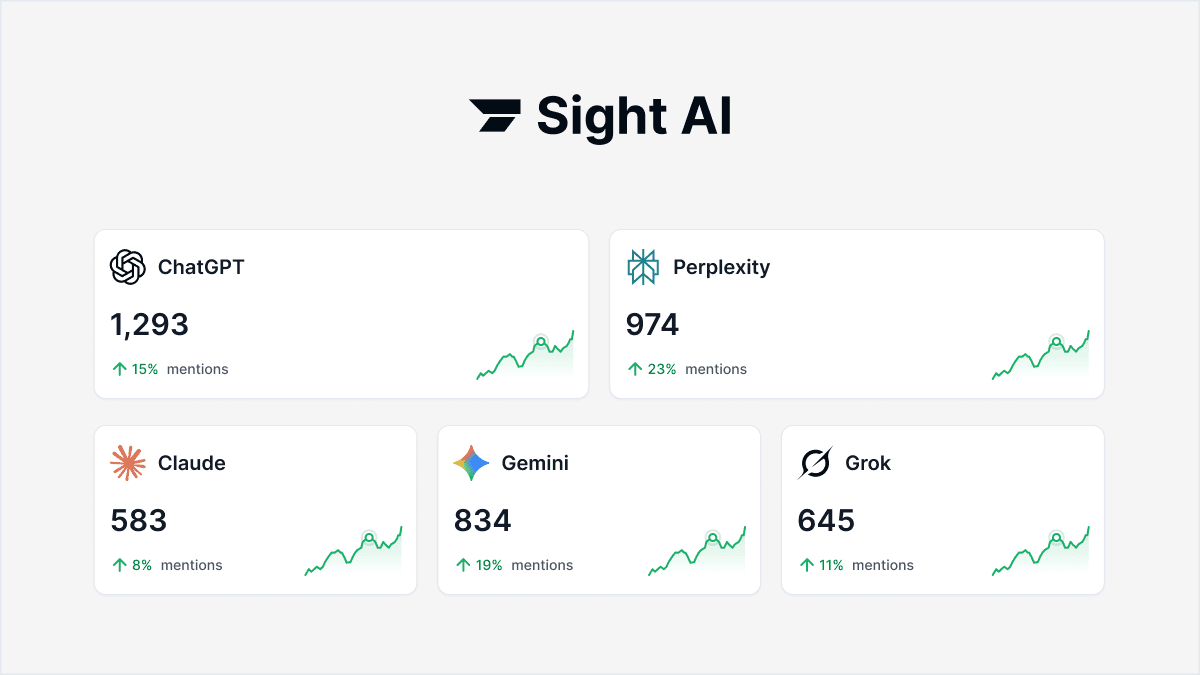
Traditional SEO focuses entirely on search engine rankings, but AI platforms like ChatGPT, Claude, and Perplexity are rapidly changing how people discover information. If these AI models aren't mentioning your brand or recommending your solutions, you're missing a growing channel for visibility.
Most teams have no idea whether AI platforms mention their brand, cite their content, or recommend their products. This blind spot grows more dangerous as AI-powered search adoption increases. You can't optimize for visibility you can't measure.
The Strategy Explained
AI visibility tracking monitors how AI models discuss your brand across multiple platforms. This automation continuously tests relevant prompts and queries to see when and how your brand appears in AI responses, tracking both frequency and sentiment of mentions.
The system identifies content opportunities by revealing topics where AI models need better information—gaps you can fill with optimized content. It also tracks competitive positioning, showing you which brands AI platforms recommend for similar use cases.
This forward-looking automation helps small teams prepare for the shift toward AI-mediated discovery. You're building visibility in the channels that will matter most tomorrow while your competitors focus solely on traditional search.
Implementation Steps
1. Set up automated monitoring across major AI platforms to track brand mentions, product recommendations, and content citations in response to relevant industry queries.
2. Configure sentiment analysis that automatically categorizes AI mentions as positive, neutral, or negative, helping you understand how AI models position your brand.
3. Create automated prompt tracking that tests variations of user queries related to your industry, revealing which prompts trigger brand mentions and which represent missed opportunities.
4. Build a content optimization workflow that uses AI visibility insights to guide your content strategy—focusing on topics where AI models currently lack quality information about your solutions.
Pro Tips
Track not just whether AI models mention your brand, but also the context and accuracy of those mentions. Automated monitoring can flag when AI provides outdated or incorrect information about your products, giving you opportunities to update your content and improve how AI models represent your brand.
Putting These Strategies Into Action
Start with the strategies that address your biggest time drains. For most small teams, that means content indexing and rank tracking automation—the tasks you're probably doing manually right now that consume hours every week.
Layer in additional automations as your team builds confidence. The goal isn't to automate everything overnight. It's to automate the repetitive tasks that prevent your team from doing strategic work that actually moves rankings and traffic.
Begin with one strategy this week. Implement automated content indexing or set up rank tracking alerts. Measure the time saved—you'll likely recover several hours immediately. Then add your second automation next week, and continue building your automated SEO stack incrementally.
The compounding effect is powerful. Each automation frees up time that you can invest in the next one, creating a virtuous cycle. Within a month, your small team will operate with the efficiency of a much larger department.
Here's the implementation priority that works for most teams: Start with content indexing and rank tracking in week one. Add technical SEO audits in week two. Implement CMS publishing automation in week three. Then layer in competitor monitoring, AI writing assistance, and AI visibility tracking as your workflow stabilizes.
Start tracking your AI visibility today and see exactly where your brand appears across top AI platforms. Stop guessing how AI models like ChatGPT and Claude talk about your brand—get visibility into every mention, track content opportunities, and automate your path to organic traffic growth.