The discovery landscape has fundamentally split. Your customers now find brands through two distinct channels: traditional search engines and AI-powered assistants like ChatGPT, Claude, and Perplexity. While traditional SEO focuses on ranking in Google's blue links, LLM monitoring tracks how AI models mention, recommend, and describe your brand in conversational responses.
Many marketers are treating these as an either/or choice—a strategic mistake.
The reality is that both channels influence purchase decisions, and the winners will be those who understand when to prioritize each approach and how they complement each other. This guide breaks down seven strategic approaches to help you navigate LLM monitoring alongside traditional SEO, ensuring your brand captures visibility wherever your audience is searching.
1. Understand the Fundamental Differences Before You Optimize
The Challenge It Solves
Most marketers assume that traditional SEO tactics will automatically translate to AI visibility. They invest in keyword optimization, backlinks, and technical SEO, then wonder why their brand isn't mentioned in ChatGPT responses. The problem is that search engines and large language models evaluate content through completely different lenses. Without understanding these core distinctions, you'll waste resources applying the wrong strategies to the wrong channels.
The Strategy Explained
Traditional SEO operates on a ranking system where your goal is to appear in position one through ten for specific queries. Success means outranking competitors through factors like domain authority, backlink profiles, keyword density, and technical optimization. Search engines crawl your site, index your pages, and evaluate hundreds of ranking signals to determine placement.
LLM monitoring operates on a recommendation system where AI models synthesize information from their training data to generate conversational responses. There's no "position one" in an AI-generated answer. Instead, your brand either gets mentioned in context or it doesn't. The AI evaluates your brand based on how frequently and authoritatively you appear in its training corpus, how clearly your entity is defined across the web, and whether your content matches the user's conversational intent.
Think of it this way: traditional SEO is like competing for billboard placement on a highway, while LLM optimization is like becoming the expert that people naturally reference in conversations. Different games, different rules.
Implementation Steps
1. Document your current SEO metrics: keyword rankings, organic traffic sources, backlink profile, and domain authority scores to establish your traditional search baseline.
2. Start tracking AI mentions across major models like ChatGPT, Claude, and Perplexity by running test queries related to your industry, products, and competitors to see where your brand appears.
3. Create a comparison matrix that maps traditional SEO factors (keywords, backlinks, technical optimization) against LLM factors (entity clarity, authoritative mentions, comprehensive topic coverage) to identify where your strategies need to diverge.
Pro Tips
Don't assume high Google rankings guarantee AI visibility. Many top-ranking sites get ignored by LLMs because their content lacks the depth and authority that AI models prioritize. Conversely, some brands with modest SEO performance get frequently mentioned by AI because they've established strong entity definitions and authoritative positioning in their niche.
2. Audit Your Current Visibility Across Both Channels
The Challenge It Solves
You can't optimize what you can't measure. Most companies have robust traditional SEO tracking through tools like Google Search Console and analytics platforms, but they have zero visibility into how AI models are representing their brand. This blind spot creates a dangerous gap where competitors could be dominating AI recommendations while you're focused solely on traditional search metrics. Without baseline data from both channels, you're making strategic decisions with incomplete information.
The Strategy Explained
A comprehensive dual-channel audit reveals where you're winning and where you're invisible. For traditional SEO, you're likely already tracking keyword rankings, organic traffic, and conversion paths. But for LLM monitoring, you need to systematically query AI models with industry-relevant prompts to discover when and how your brand gets mentioned.
This audit isn't a one-time exercise. AI models update regularly, and their training data evolves. What they say about your brand today might change next month based on new content they've ingested. Similarly, traditional search rankings fluctuate with algorithm updates. Your audit establishes a baseline, but ongoing monitoring reveals trends and opportunities.
Implementation Steps
1. Compile a list of 20-30 prompts your target audience would actually ask AI assistants, including product recommendations, solution comparisons, and how-to questions in your industry vertical.
2. Query each major AI model with these prompts and document every mention of your brand, noting context, sentiment, and whether you're recommended alongside competitors or positioned as a leader.
3. Cross-reference your AI mention data with your traditional SEO performance for the same topics to identify disconnects where you rank well in Google but get ignored by AI, or vice versa.
Pro Tips
Pay special attention to competitor mentions in AI responses. If Claude consistently recommends your competitors but never mentions your brand, that's a signal that your entity definition and authoritative content need work. Use AI visibility tracking tools that automate this process across multiple models and prompt variations, saving you hours of manual querying while providing more comprehensive data.
3. Develop Channel-Specific Content Strategies
The Challenge It Solves
Creating one piece of content and expecting it to perform equally well in traditional search and AI recommendations is like using the same key for different locks. Traditional SEO rewards content optimized for specific keywords with clear title tags and meta descriptions. LLM optimization rewards comprehensive, authoritative content that establishes your expertise across entire topic clusters. Trying to serve both masters with identical content leaves you mediocre in both channels.
The Strategy Explained
Channel-specific content strategies don't mean creating completely separate content libraries. Instead, you're developing different optimization layers for different discovery contexts. Your traditional SEO content focuses on ranking for specific queries with targeted keywords, structured data, and technical optimization. Your LLM-optimized content focuses on becoming the authoritative source that AI models reference when synthesizing answers.
For traditional SEO, think narrow and targeted. Create pages optimized for specific long-tail keywords with clear search intent. Structure your content with H1 tags matching search queries, include keyword variations naturally, and build internal linking structures that reinforce topical relevance.
For LLM optimization, think broad and comprehensive. Create in-depth resources that cover entire topics from multiple angles, establish clear entity definitions, and demonstrate subject matter expertise. AI models favor content that thoroughly addresses a topic rather than content optimized for a single keyword phrase.
Implementation Steps
1. Segment your content calendar into traditional SEO pieces targeting specific keywords and LLM-focused pieces establishing thought leadership and comprehensive topic coverage across your domain.
2. For traditional SEO content, prioritize keyword research, search intent mapping, and technical optimization including title tags, meta descriptions, and schema markup that help search engines understand your content.
3. For LLM-optimized content, prioritize depth over keyword density by creating comprehensive guides, original research, and expert perspectives that position your brand as the authoritative voice AI models should reference.
Pro Tips
Your best content can serve both channels if you layer optimization correctly. Start with comprehensive, authoritative content that AI models will value, then add targeted keyword optimization and technical SEO elements for traditional search. This approach ensures you're not sacrificing LLM visibility for search rankings or vice versa. Consider creating ultimate guides and pillar pages that establish authority while also targeting high-value keywords.
4. Implement Dual-Channel Tracking Systems
The Challenge It Solves
Traditional analytics dashboards show you search rankings and organic traffic, but they tell you nothing about how AI models are representing your brand in conversational responses. This creates a measurement gap where you're flying blind on an increasingly important discovery channel. Without systematic tracking of both traditional SEO metrics and AI mentions, you can't identify which strategies are working, which need adjustment, or where your biggest opportunities lie.
The Strategy Explained
A dual-channel tracking system combines traditional SEO monitoring tools with LLM visibility tracking to give you complete discovery intelligence. Your traditional tools continue tracking keyword rankings, organic traffic, backlinks, and technical SEO health. Your LLM monitoring tracks how often your brand gets mentioned across AI models, in what context, with what sentiment, and for which types of queries.
The key is integration. These aren't separate dashboards you check independently. Your tracking system should reveal correlations between channels, showing you when improvements in traditional SEO drive better AI visibility or when increased AI mentions correlate with organic traffic growth. This integrated view helps you understand the full customer discovery journey.
Implementation Steps
1. Set up automated AI mention tracking that queries major models daily with your target prompts and logs every brand mention, competitor comparison, and recommendation pattern across ChatGPT, Claude, and Perplexity.
2. Create a unified dashboard that displays traditional SEO metrics alongside AI visibility metrics, allowing you to spot trends and correlations between channels at a glance.
3. Establish alert systems that notify you when significant changes occur in either channel, such as sudden drops in keyword rankings or new competitor mentions in AI responses, so you can respond quickly to threats or opportunities.
Pro Tips
Track prompt variations, not just exact queries. AI users phrase questions differently than search engine users, and the same information need might be expressed in dozens of conversational variations. Your tracking should cover these variations to give you accurate visibility data. Also monitor sentiment and context, not just mentions. Being mentioned negatively or in an unfavorable comparison is worse than not being mentioned at all.
5. Prioritize Based on Your Audience's Discovery Patterns
The Challenge It Solves
Limited resources force strategic choices. Should you invest more in traditional SEO or LLM optimization? Many companies default to traditional SEO simply because it's familiar, while others chase AI visibility because it's new and exciting. Both approaches ignore the critical question: where does your specific audience actually search for solutions? Misallocating resources to the wrong channel means missing your audience where they're actually discovering brands.
The Strategy Explained
Audience discovery patterns vary dramatically by industry, buyer sophistication, and purchase complexity. Technical buyers researching enterprise software might extensively use AI assistants to compare solutions and gather recommendations. Local service businesses might see most discovery still happening through traditional Google searches. Your resource allocation should reflect these realities, not industry hype or personal preferences.
Start by understanding your customer journey. Survey recent customers about how they discovered your brand. Analyze referral sources and first-touch attribution. Interview your sales team about what prospects mention during discovery calls. This qualitative and quantitative research reveals whether your audience is primarily finding brands through traditional search, AI recommendations, or a mix of both.
Implementation Steps
1. Survey your recent customers with specific questions about their discovery process, asking whether they used AI assistants during research, which platforms they consulted, and how they ultimately found your brand.
2. Analyze your current traffic sources and conversion paths to identify what percentage of qualified leads come through traditional organic search versus other channels that might include AI-influenced discovery.
3. Create a resource allocation matrix that weights your investment in traditional SEO versus LLM optimization based on your audience's actual discovery patterns, not industry assumptions or trends.
Pro Tips
Discovery patterns shift over time, especially as AI adoption grows. What's true today might not hold in six months. Build quarterly reviews into your strategy where you reassess audience behavior and adjust resource allocation accordingly. Also segment by buyer persona. Your enterprise customers might heavily use AI assistants while your SMB customers still rely primarily on traditional search, requiring different strategies for different segments.
6. Create Feedback Loops Between Channels
The Challenge It Solves
Treating traditional SEO and LLM monitoring as separate, siloed activities leaves massive optimization opportunities on the table. Insights from one channel can dramatically improve performance in the other, but only if you're actively looking for these connections and building systematic feedback loops. Without this integration, you're essentially running two separate marketing strategies instead of one cohesive discovery optimization program.
The Strategy Explained
Feedback loops work in both directions. Traditional SEO research reveals what topics and questions your audience cares about, which informs the prompts you should track in AI models. Conversely, AI mention analysis shows you which topics and angles AI models find most authoritative, which should influence your traditional SEO content strategy.
For example, if your keyword research reveals high search volume for a specific problem, but AI models never mention your brand when users ask about that problem, you've identified a gap. Create authoritative content addressing that problem to improve both traditional rankings and AI visibility. Similarly, if AI models consistently mention your brand for a specific use case, double down on traditional SEO for related keywords to capture both channels.
The most powerful feedback loop connects content performance across channels. Content that ranks well in traditional search but gets ignored by AI models might need more depth and authority. Content that AI models reference but doesn't rank in traditional search might need better technical optimization and keyword targeting.
Implementation Steps
1. Create a monthly content review process that examines top-performing content in traditional search and cross-references it with AI mention data to identify pieces that perform well in one channel but underperform in the other.
2. Use AI mention analysis to discover new keyword opportunities by identifying topics where AI models frequently discuss your industry but you haven't yet targeted in traditional SEO.
3. Implement a content optimization workflow where pieces performing well in one channel get enhanced for the other, adding technical SEO elements to authoritative content or adding depth and authority to keyword-optimized pieces.
Pro Tips
Pay attention to competitor gaps revealed by cross-channel analysis. If competitors rank well in traditional search but get ignored by AI models, you can leapfrog them by creating content that captures both channels. The inverse is also true. Look for competitors mentioned frequently by AI but with weak traditional search presence, then outrank them in Google while matching their AI visibility.
7. Build a Unified Measurement Framework
The Challenge It Solves
Executive teams and stakeholders need to understand the combined impact of your discovery optimization efforts, not separate reports for traditional SEO and AI visibility. Without a unified measurement framework, you can't demonstrate the full value of your strategy or make informed decisions about resource allocation. Fragmented reporting also makes it impossible to calculate true ROI or understand how both channels work together to drive business outcomes.
The Strategy Explained
A unified measurement framework combines traditional SEO metrics and LLM monitoring data into a single view that shows total discovery performance. This framework tracks both channel-specific metrics and blended metrics that reveal cross-channel impact. You're measuring not just how many keywords you rank for or how often AI models mention your brand, but how both channels together drive awareness, consideration, and conversion.
Your framework should include leading indicators like keyword rankings and AI mention frequency, but also lagging indicators like organic traffic, qualified leads, and revenue attributed to discovery channels. The goal is connecting discovery visibility to business outcomes, showing how improvements in either channel ultimately impact the bottom line.
Implementation Steps
1. Define your core discovery metrics that span both channels, including total branded searches, organic traffic from all sources, discovery-attributed leads, and customer acquisition cost for discovery-driven conversions.
2. Create a unified dashboard that displays traditional SEO performance alongside AI visibility metrics with clear visualizations showing trends, correlations, and combined impact on business goals.
3. Establish regular reporting cadences that present discovery performance holistically to stakeholders, emphasizing how both channels work together rather than treating them as competing priorities or separate initiatives.
Pro Tips
Include qualitative metrics alongside quantitative data. Sentiment analysis from AI mentions, brand positioning in competitive comparisons, and the quality of your search rankings all matter as much as raw numbers. A single high-quality AI mention in a buying context might drive more value than dozens of rankings for low-intent keywords. Your framework should capture this nuance.
Putting It All Together
Start with a dual-channel audit to establish baselines. You can't optimize what you can't measure, and you need clear data on both your traditional search performance and your AI visibility before making strategic decisions. This audit reveals your biggest gaps and highest-leverage opportunities.
Once you understand where you stand, prioritize based on where your audience actually discovers solutions. Don't chase trends or make assumptions. Use real data about your customers' discovery patterns to allocate resources between traditional SEO and LLM optimization. Your strategy should reflect your audience's behavior, not industry hype.
The most effective approach treats LLM monitoring and traditional SEO as complementary strategies rather than competing priorities. Feed insights from one channel into the other through systematic feedback loops. Use traditional SEO research to inform your AI optimization, and use AI mention analysis to enhance your traditional content strategy. This integration amplifies results in both channels.
Build your measurement framework early. Unified reporting that shows combined impact helps you demonstrate value to stakeholders and make smarter optimization decisions. Track both leading indicators like rankings and mentions, and lagging indicators like traffic and conversions to understand the full discovery journey.
Begin tracking AI mentions today. The brands that understand how they're being represented in AI conversations will have a significant advantage as conversational search continues to grow. Every day you wait is another day your competitors might be dominating AI recommendations while you're focused solely on traditional search.
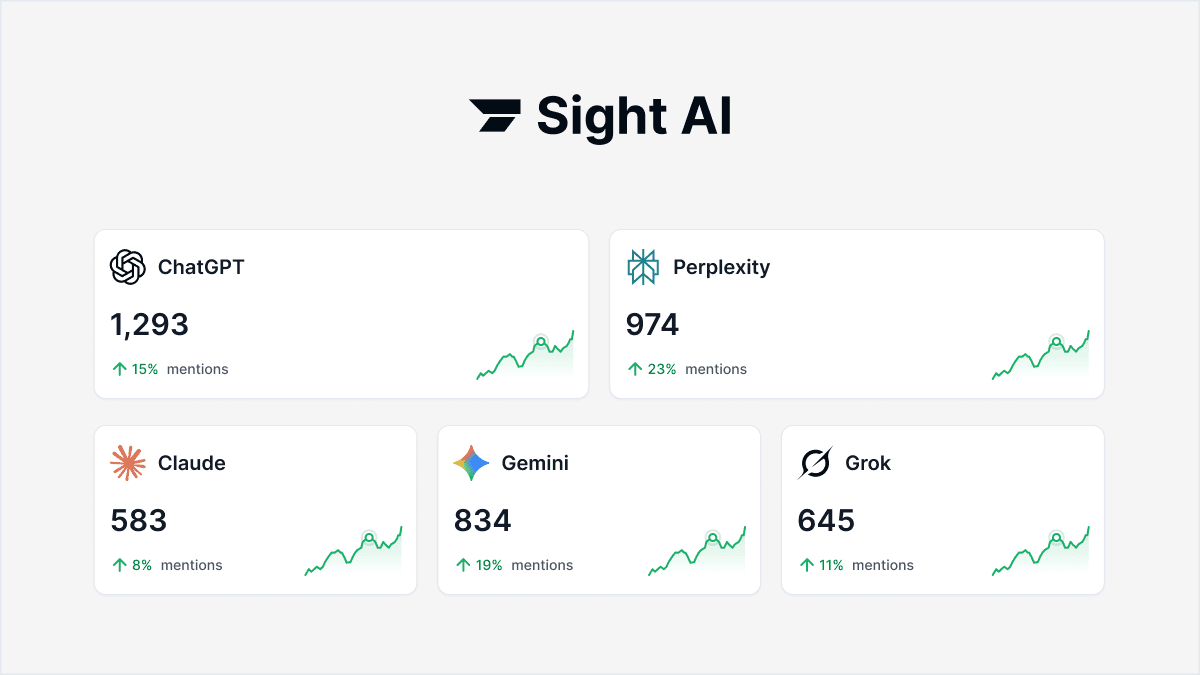
Your next step: run a visibility audit across both channels and identify your biggest gaps. Start tracking your AI visibility today and see exactly where your brand appears across top AI platforms. Stop guessing how AI models like ChatGPT and Claude talk about your brand—get visibility into every mention, track content opportunities, and automate your path to organic traffic growth.