You published that article three weeks ago. The one you spent hours researching, writing, and optimizing. You checked all the SEO boxes, crafted compelling headlines, and hit publish with confidence. Now you're staring at analytics that show a trickle of traffic that barely registers. Meanwhile, your competitor's mediocre post from last week is already ranking on page one.
This isn't just frustrating—it's a business problem. Founders need to justify content budgets. Agencies need to show client results. Marketing teams need to prove ROI. And "be patient, SEO takes time" isn't cutting it anymore when the pressure is on to deliver results this quarter, not next year.
Here's the reality: slow traffic isn't always about patience. Often, it's about invisible barriers preventing your content from being discovered in the first place. The good news? Once you identify what's actually slowing you down, you can fix it. This guide walks you through the technical, strategic, and visibility factors that determine how quickly your content gains traction—and what to do about each one.
The Real Timeline of Content Discovery (And Why Yours Might Be Broken)
Think of content discovery as a relay race with four runners: crawling, indexing, ranking, and traffic generation. Each runner has to complete their leg before the next one starts. If any runner stumbles, the entire race slows down.
Here's how it typically works. After you publish, search engine crawlers need to find your new page. This can happen within hours for high-authority sites with strong internal linking, or it can take weeks for newer sites with limited crawl budget. Once found, the content enters the indexing phase—Google analyzes it, categorizes it, and decides if it's worthy of inclusion in search results. Only then does ranking begin, where your content competes against existing pages for position. Finally, if you rank well enough, traffic starts flowing.
The critical bottleneck most sites miss? That gap between publishing and discovery. You can have the best content in the world, but if search engines don't know it exists, it might as well be invisible. Understanding why content isn't indexed quickly is the first step toward fixing this problem.
Many marketers assume submitting their sitemap to Google Search Console is enough. It's not. Sitemaps are helpful, but they're passive—you're essentially leaving a note on the doorstep and hoping someone checks it. Google crawls on its own schedule, which might not align with your content calendar.
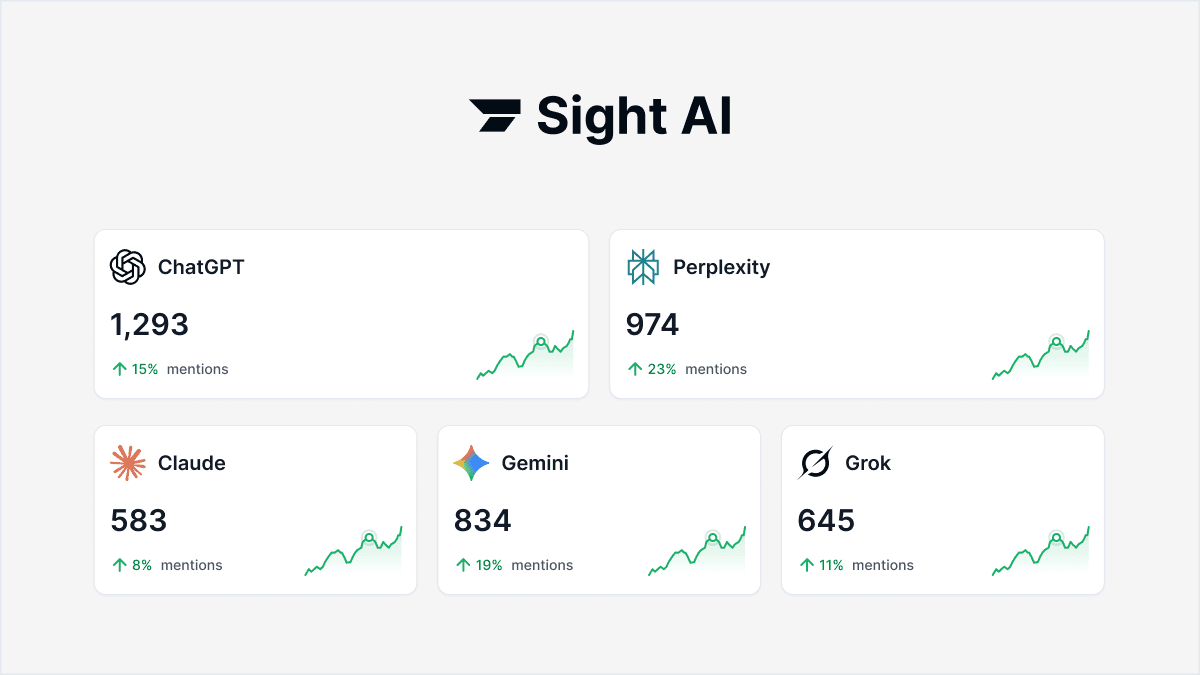
This is where things get interesting. AI search engines like ChatGPT and Perplexity are creating entirely new discovery pathways that bypass traditional timelines. These platforms don't wait for Google to index your content—they actively scan the web, process information in real-time, and can surface your content in AI-generated responses within days of publishing. This means your brand might be getting mentioned in thousands of AI conversations while your Google Analytics still shows minimal traffic.
The twist? Most marketers have no visibility into this. They're optimizing for one discovery channel while missing an entirely separate ecosystem where their content is already performing. If you're wondering why content isn't appearing in AI search, you're not alone—understanding both pathways is crucial for diagnosing why your traffic isn't materializing as quickly as expected.
Technical Barriers That Keep Your Content Invisible
Let's talk about crawl budget, because this invisible constraint determines how often search engines visit your site. Google allocates a limited number of crawl requests to each domain based on factors like site authority, update frequency, and server performance. If you're publishing daily but Google only crawls you weekly, most of your content sits in limbo.
Site architecture plays a huge role here. Content buried four or five clicks deep from your homepage? It might take weeks to get crawled. Pages with no internal links pointing to them? They're essentially orphaned—search engines may never find them organically. This is why strategic internal linking isn't just an SEO nicety; it's a discovery accelerator. Many sites experience website pages not getting indexed fast simply due to poor site structure.
Now here's where many sites shoot themselves in the foot: they submit URLs to Google Search Console and assume that guarantees indexing. It doesn't. Submission is a request, not a command. Google still evaluates whether your content deserves indexing based on quality signals, duplicate content checks, and overall site health. If your site has technical issues—slow loading times, mobile usability problems, security warnings—Google may deprioritize crawling and indexing altogether.
Enter IndexNow, a protocol that flips the script on content discovery. Instead of waiting for crawlers to find you, IndexNow lets you proactively notify search engines the moment you publish. Microsoft Bing and Yandex support it fully, and while Google hasn't officially adopted it, they're monitoring the protocol. For sites using IndexNow, the discovery phase can shrink from weeks to hours. Implementing faster content discovery by search engines requires understanding these modern protocols.
But here's the kicker: even with perfect indexing, technical debt compounds visibility problems. Core Web Vitals—page load speed, interactivity, visual stability—directly impact how search engines prioritize your content. A slow site doesn't just frustrate users; it signals to search engines that your content might not deliver a good experience, which delays ranking improvements even after indexing occurs.
The bottom line? Technical infrastructure isn't separate from content strategy. It's the foundation that determines whether your content gets discovered quickly or languishes in obscurity. If your analytics show minimal traffic despite quality content, start by auditing crawl patterns, indexing status, and site performance metrics. The problem might not be your content at all.
Strategic Gaps That Sabotage Traffic Velocity
You can have flawless technical infrastructure and still see glacial traffic growth if your content strategy is misaligned. The most common culprit? Targeting keywords with no realistic ranking path. When content isn't ranking fast enough, keyword difficulty is often the hidden culprit.
Picture this scenario. You're a new SaaS company targeting "project management software"—a term dominated by established players with domain authority scores in the 80s and thousands of backlinks. You publish a comprehensive guide, optimize it perfectly, and wonder why it's stuck on page seven. The answer is simple: you're competing in a race where you're starting a mile behind the finish line.
Keyword targeting needs to match your site's current authority and competitive position. For newer sites or those in competitive niches, long-tail keywords and specific use cases provide faster traction. Instead of "project management software," target "project management software for remote creative teams" or "project management tools with built-in time tracking for agencies." These narrower terms have less competition and attract more qualified traffic that converts better anyway.
Then there's content-market fit, which even well-optimized content can fail at spectacularly. Search intent matters more than keyword density. If users searching for "best email marketing tools" want comparison lists with pricing tables, publishing a 3,000-word philosophical essay on email marketing strategy will tank—even if it's brilliantly written and perfectly optimized.
Here's where many marketers stumble: they create content they want to write rather than content their audience is actively searching for. The solution isn't to abandon thought leadership or unique perspectives—it's to align them with actual search behavior. Use tools to analyze what's currently ranking for your target keywords. Developing solid blog writing content strategies means understanding what format dominates, how comprehensive the top results are, and what questions they answer.
Finally, let's address the "publish and pray" myth. Organic traffic doesn't happen in a vacuum. Content needs distribution momentum to signal relevance to search engines. This doesn't mean spamming social media—it means strategic promotion through channels where your target audience already gathers. Industry newsletters, relevant communities, strategic partnerships, and yes, social platforms where your audience is active.
When content gets early engagement signals—clicks, shares, time on page—search engines interpret this as a quality indicator, which can accelerate ranking improvements. Content that sits silently after publishing misses this momentum entirely.
The AI Visibility Factor Most Marketers Overlook
Here's a question that should keep you up at night: What if your content is already generating significant value, but you have no way of measuring it?
AI models like ChatGPT, Claude, and Perplexity are becoming major traffic sources, but they operate completely outside traditional analytics. When someone asks ChatGPT for marketing software recommendations and your brand gets mentioned, that's a qualified lead interaction—but it won't show up in Google Analytics. You're essentially flying blind to an entire category of brand visibility.
This creates a dangerous blind spot. Marketers optimize exclusively for Google rankings while AI models are citing their competitors dozens of times daily. By the time traditional metrics catch up, market perception has already shifted. If your content isn't ranking in AI search results, you're missing a massive opportunity.
The difference between ranking on Google and being cited by AI comes down to content structure and authority signals. AI models prioritize content that provides clear, definitive information with authoritative sourcing. They favor comprehensive topic coverage over keyword-optimized snippets. A well-structured article that thoroughly explains a concept will get cited repeatedly, while a keyword-stuffed page optimized purely for search engines gets ignored.
What makes content "AI-recommendable"? Think about how AI models process information. They're looking for clear definitions, structured explanations, and content that directly answers questions. Articles with strong introductions that establish context, logical section progression, and specific examples perform better than vague overviews. Authoritative sourcing matters—content that cites reputable sources and demonstrates expertise gets weighted more heavily.
This is where GEO optimization—Generative Engine Optimization—comes into play. Understanding SEO optimized AI content generation isn't about gaming AI models; it's about structuring content in ways that both humans and AI systems find valuable. Clear headings, comprehensive coverage, direct answers to common questions, and authoritative tone all contribute to AI citation potential.
The strategic implication? You need visibility into both traditional search performance and AI citation patterns. Tracking brand mentions across AI platforms reveals content gaps, identifies what messaging resonates, and uncovers opportunities your competitors might be missing. If your brand isn't appearing in AI-generated recommendations, you're losing mindshare in an increasingly important channel.
Building a Faster Content-to-Traffic Pipeline
Speed isn't about cutting corners—it's about eliminating friction at every stage of content discovery and ranking. Here's how to build a system that accelerates results.
Start with automated indexing workflows. The moment you publish content, search engines should know about it. This means implementing IndexNow integration for immediate notification to Bing and Yandex, submitting to Google Search Console programmatically, and ensuring your sitemap updates automatically. Many CMS platforms support these workflows natively or through plugins. Investing in faster content indexing tools can collapse the discovery phase from weeks to hours.
Next, optimize for dual visibility—both traditional SEO and AI citation. This isn't about choosing one over the other; it's about creating content that performs well in both ecosystems. Structure your articles with clear, scannable sections that AI models can easily parse. Include definitive statements and direct answers to common questions. Use authoritative language and cite reputable sources when making claims. This approach satisfies both search engine algorithms and AI model training data.
Create feedback loops to identify what's working. Track which content types gain traction fastest for your specific audience. Is it comprehensive guides? Quick how-to articles? Case studies? Data-driven reports? Different audiences respond to different formats, and the only way to know what works is to measure systematically. Look beyond pageviews—track engagement metrics like time on page, scroll depth, and conversion actions to understand what content truly resonates.
Build strategic internal linking into your publishing workflow. Every new piece of content should receive links from at least three relevant existing articles within 48 hours of publishing. Learning how to improve content indexing speed includes mastering internal linking strategies that signal to search engines your content deserves priority crawling.
Finally, establish distribution channels before you need them. Don't wait until after publishing to figure out promotion. Build relationships with industry newsletters, participate in relevant communities, and develop partnerships with complementary brands. When you publish something valuable, you should have immediate channels to share it with people who care. Early engagement signals compound over time, accelerating ranking improvements and visibility.
Putting It All Together
Slow traffic isn't a content quality problem—it's a systems problem. The diagnostic framework is straightforward: technical infrastructure determines discovery speed, strategic alignment determines ranking potential, and visibility tracking reveals your true reach across both traditional search and AI platforms.
Start by auditing your technical foundation. Are search engines discovering your content quickly? Is your site architecture facilitating efficient crawling? Are you using automated indexing protocols to eliminate discovery delays? Understanding why your content isn't getting indexed fast is the first step toward fixing these bottlenecks.
Next, evaluate strategic alignment. Are you targeting keywords you can realistically rank for? Does your content match search intent? Are you actively distributing content to generate early engagement signals? Strategic gaps sabotage even technically sound implementations.
Finally, expand your visibility tracking beyond Google Analytics. AI models are citing content and influencing purchase decisions in ways traditional metrics don't capture. Understanding where and how your brand appears in AI-generated responses reveals content opportunities and competitive gaps you're currently missing.
The marketers seeing faster traffic results aren't lucky—they've systematically removed friction from their content-to-traffic pipeline. They've automated indexing, aligned strategy with realistic ranking paths, and built visibility into both traditional search and AI citation patterns.
Stop guessing how AI models like ChatGPT and Claude talk about your brand—get visibility into every mention, track content opportunities, and automate your path to organic traffic growth. Start tracking your AI visibility today and see exactly where your brand appears across top AI platforms.