When ChatGPT recommends a competitor instead of your product, you lose a potential customer—and you probably don't even know it happened. As AI-powered search reshapes how consumers discover brands, knowing when and how ChatGPT mentions your company has become essential intelligence. Unlike traditional SEO where you track rankings, AI citation tracking requires monitoring conversational responses across multiple AI platforms—a fundamentally different challenge. Here are the top tools for tracking when ChatGPT and other AI models cite your brand, helping you understand your AI visibility and identify opportunities to improve how AI systems reference your products and services.
How AI Citation Tracking Works
AI citation tracking measures how often and how favorably AI models reference your brand, content, or expertise when answering queries relevant to your market. Tracking tools run a defined set of prompts against ChatGPT, Claude, Perplexity, and other models on a schedule, record which brands and sources appear in each response, and benchmark your presence against competitors.
This matters because the activity is invisible to standard analytics. A prospect can research your category, receive a shortlist from ChatGPT, and decide without ever generating a referral visit. Your Google rankings don't predict your ChatGPT citation rate, and citation behavior differs between models: a brand can appear consistently in ChatGPT and barely at all in Claude.
What to Look For in a ChatGPT Citation Tracker
- Platform coverage: ChatGPT at minimum, ideally Claude, Perplexity, Gemini, and Google AI Overviews.
- Prompt-level visibility: Which exact queries trigger (or fail to trigger) a mention, not just aggregate counts.
- Source tracking: Which URLs and domains the model cites when it mentions you or your competitors.
- Sentiment and context: Whether you are framed as the leading option, one of several, or with caveats.
- Competitive share of voice: Your mention rate versus named competitors across the same prompt set.
- Alerts and reporting: Notifications when responses shift, plus exportable reports or API access for agencies and BI teams.
- A path to action: Recommendations or content tools that help you close the gaps you find.
Quick Comparison
| Tool | Best for | Multi-model | Starting price |
|---|---|---|---|
| Sight AI | Tracking plus content optimization | Yes (6+ models) | Contact; free trial |
| Brandwatch AI Monitor | Enterprise social + AI listening | Yes | Enterprise contract |
| Originality.AI | Citation and source accuracy | Content-based | $14.95/mo |
| AIBrandTrack | Startups | Yes | $49/mo |
| Perplexity Brand Analytics | Perplexity-only insights | No | $20/mo (Pro) |
| Mention AI Extension | Existing Mention users | Yes | $99/mo + base plan |
| Zapier workflows | Custom alert routing | Custom | $19.99/mo |
| Semrush AI Visibility Toolkit | SEO teams | Yes | $499.95/mo (Business) |
| Manual prompt testing | Validating the channel | Manual | Free |
1. Sight AI
Best for: Brands wanting comprehensive AI visibility tracking with integrated content optimization capabilities.
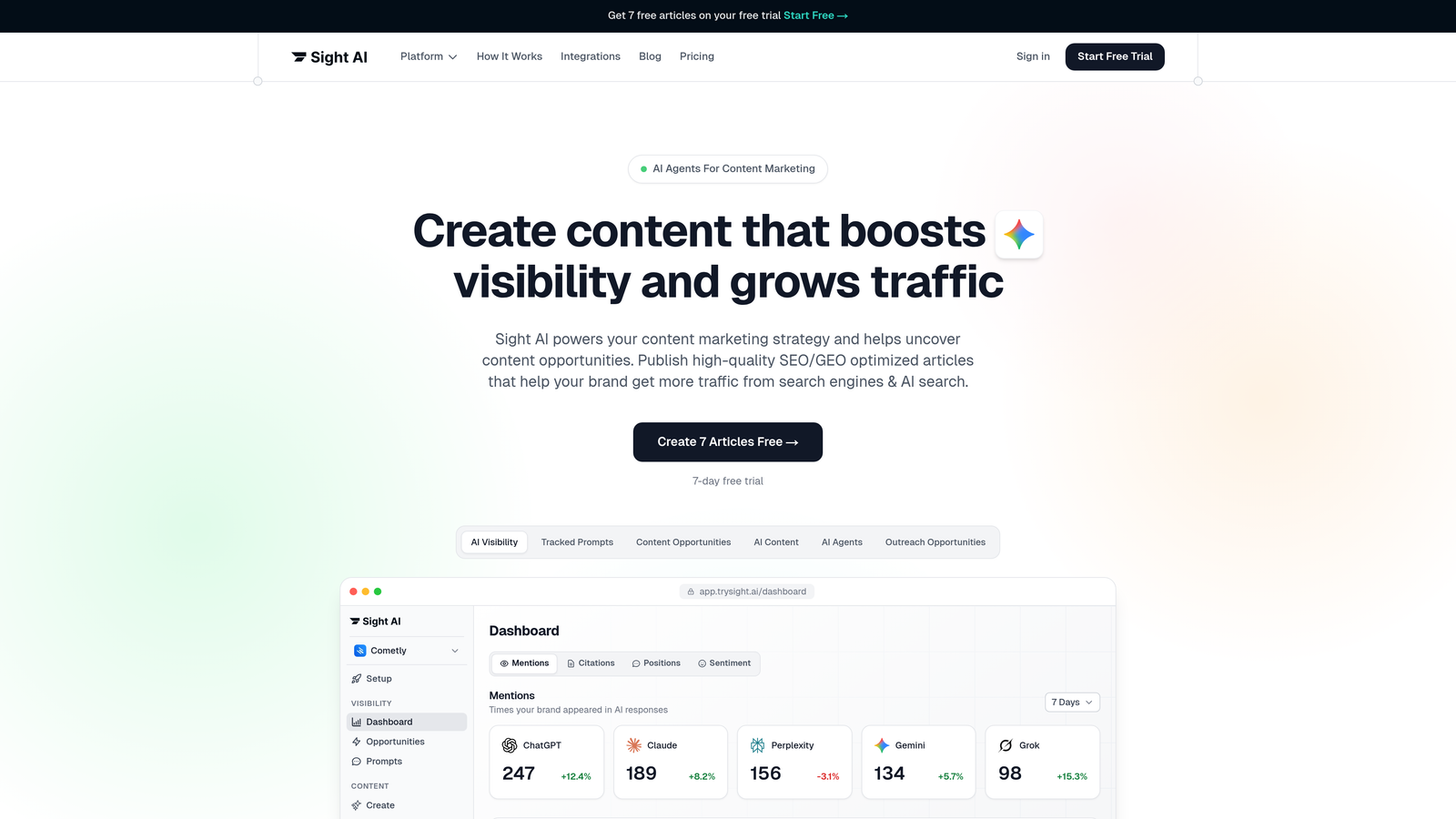
Sight AI is a specialized AI visibility platform that monitors how your brand appears across ChatGPT, Claude, Perplexity, and other major AI models.
Where This Tool Shines
What sets Sight AI apart is its combination of monitoring and action. You don't just see where AI models mention your brand—you get the tools to improve those mentions through integrated content creation.
The platform tracks citations across six different AI models simultaneously, giving you a complete picture of your AI visibility rather than forcing you to monitor each platform separately. This multi-model approach reveals patterns in how different AI systems talk about your brand.
When tracking shows you are underrepresented for a group of prompts, you can assign one of the platform's 13+ specialized content agents to produce an article targeting that gap, publish it to your CMS, and submit it for indexing via IndexNow without leaving the platform.
Key Features
AI Visibility Score: Quantifies your brand's presence across 6+ AI platforms with a single metric that tracks improvement over time.
Sentiment Analysis: Categorizes brand mentions as positive, neutral, or negative to understand how AI models frame your company.
Prompt Tracking: Shows which specific queries trigger brand mentions, revealing the topics and contexts where AI models cite you.
Integrated AI Content Writer: Creates SEO/GEO-optimized articles designed to increase positive brand mentions in AI responses.
Competitive Comparison: Benchmarks your AI visibility against competitors to identify citation gaps and opportunities.
Auto-Publishing and IndexNow: Pushes content to your CMS and speeds up discovery with automated sitemap updates and IndexNow submission.
Best For
Marketing teams and agencies that want both monitoring and the ability to actively improve AI citations. Particularly valuable if you're creating content specifically to increase brand mentions in AI-powered search results.
Pricing
Contact for pricing with free trial available. The platform combines tracking and content creation in a single subscription.
2. Brandwatch AI Monitor
Best for: Enterprise organizations with existing social listening infrastructure needing AI mention capabilities.
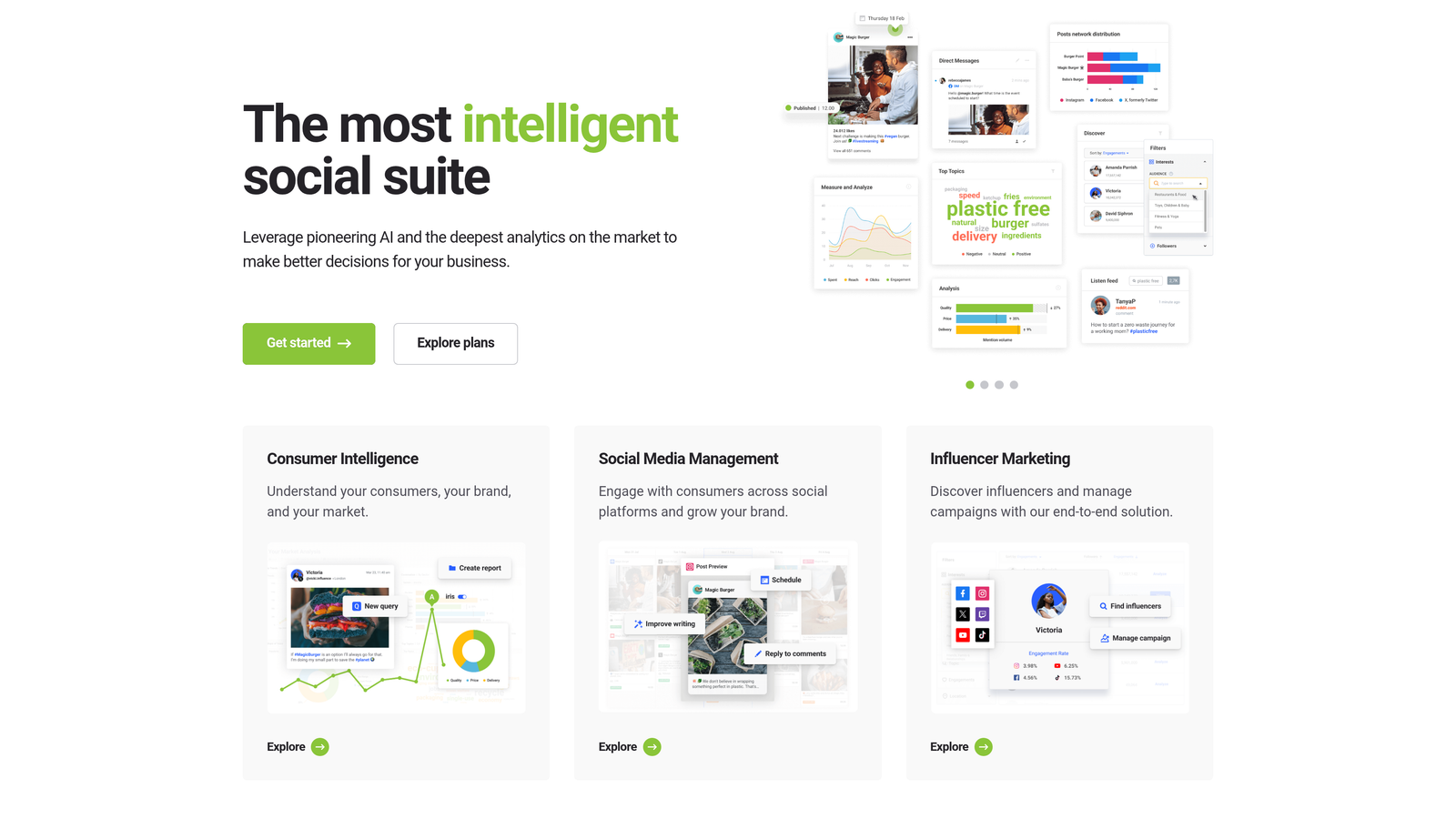
Brandwatch AI Monitor extends the established social listening platform into AI-generated content monitoring for large-scale operations.
Where This Tool Shines
If your team already uses Brandwatch for social listening, the AI Monitor extension creates a unified view of brand mentions across traditional social media and AI platforms. This integration eliminates the need to manage separate tools.
The enterprise-grade security and compliance features make this particularly attractive for regulated industries or companies with strict data governance requirements. You get the same security controls across both social and AI monitoring.
Key Features
Unified Monitoring: Combines social media, news, and AI mention tracking in a single dashboard.
Advanced Analytics: Identifies trends and sentiment patterns across all monitored channels with enterprise reporting capabilities.
Security Compliance: Meets enterprise security standards with role-based access and audit trails.
Custom Dashboards: Creates tailored reporting views for different teams and stakeholders.
API Access: Integrates monitoring data into existing business intelligence systems.
Best For
Large enterprises with existing Brandwatch subscriptions or teams managing social listening at scale who need to add AI monitoring without introducing new platforms.
Pricing
Enterprise pricing requires direct contact. Expect six-figure annual contracts for organizations with substantial monitoring needs.
3. Originality.AI Citation Tracker
Best for: Content teams validating source accuracy in AI-generated content and tracking citation patterns.
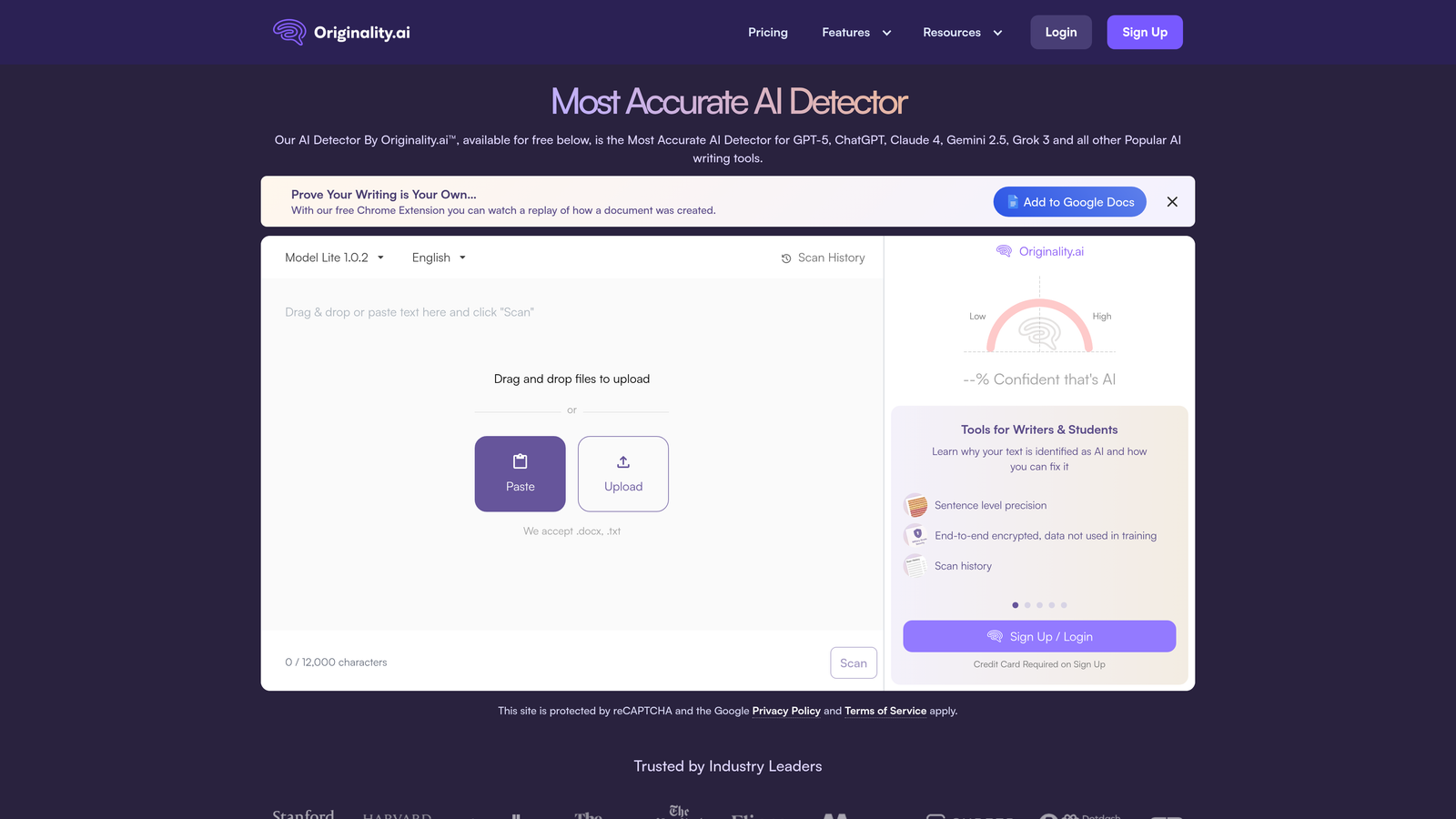
Originality.AI Citation Tracker focuses on verifying and tracking sources within AI-generated content rather than brand mentions specifically.
Where This Tool Shines
This tool excels at the technical side of citation verification. When AI models reference your brand, you can validate whether those citations include accurate source attribution and factual information.
The plagiarism and fact-checking capabilities help you understand not just that your brand was mentioned, but whether the AI model pulled information from legitimate sources or potentially fabricated details.
Key Features
AI Content Detection: Identifies whether content was AI-generated and which model likely created it.
Source Validation: Verifies that citations and references in AI content point to real, accessible sources.
Fact-Checking Tools: Flags potentially inaccurate claims in AI-generated content mentioning your brand.
API Integration: Connects citation tracking into content management workflows programmatically.
Batch Processing: Analyzes multiple pieces of content simultaneously for efficient large-scale monitoring.
Best For
Publishers and content operations teams concerned about citation accuracy and factual integrity in AI-generated content that references their brand or publications.
Pricing
Plans start at $14.95 per month with credits-based pricing for content scans. Higher-volume plans available for teams processing substantial content.
4. AIBrandTrack
Best for: Startups and growing companies tracking AI presence without enterprise-level complexity or cost.
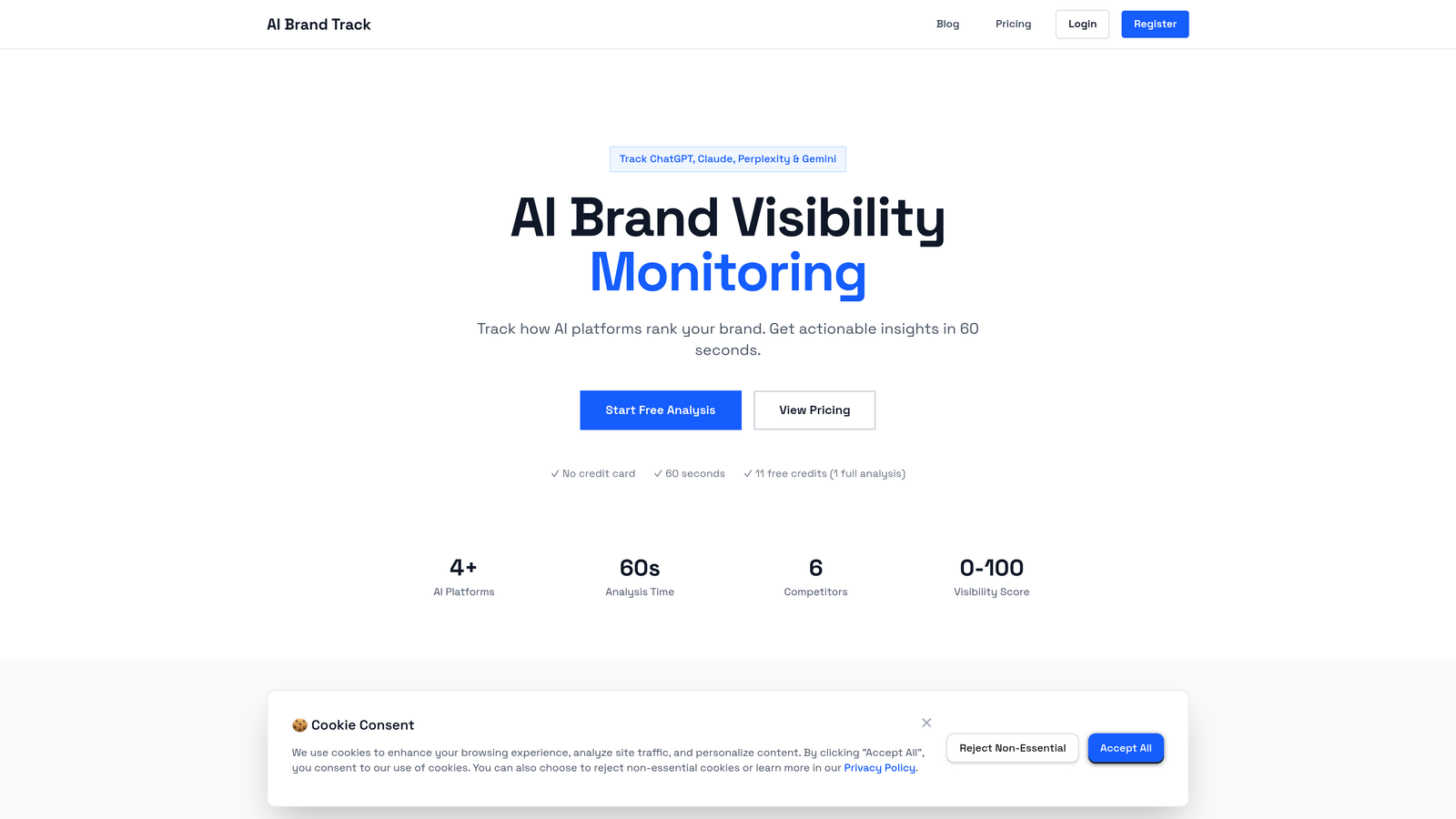
AIBrandTrack is a startup-focused monitoring tool designed specifically for companies entering AI citation tracking.
Where This Tool Shines
The simplified interface makes AI citation tracking accessible without requiring extensive onboarding or training. You can start monitoring within minutes rather than days of setup.
Weekly summary reports provide a digestible overview of AI mentions without overwhelming teams with constant alerts. This cadence works well for smaller companies that don't need real-time monitoring.
Key Features
Real-Time Alerts: Notifies you when AI models mention your brand in responses to user queries.
Simple Dashboard: Presents citation data in an intuitive interface designed for non-technical users.
Competitor Tracking: Monitors how often competitors appear alongside or instead of your brand in AI responses.
Weekly Reports: Summarizes citation activity and trends in scheduled email digests.
Query Categories: Groups brand mentions by topic to reveal which subjects trigger citations.
Best For
Startups, small marketing teams, and solo founders who need straightforward AI citation tracking without enterprise features or pricing.
Pricing
Starts at $49 per month with tiered plans based on monitoring volume and number of tracked brands.
5. Perplexity Brand Analytics
Best for: Brands specifically focused on understanding their presence in Perplexity's AI-powered search.
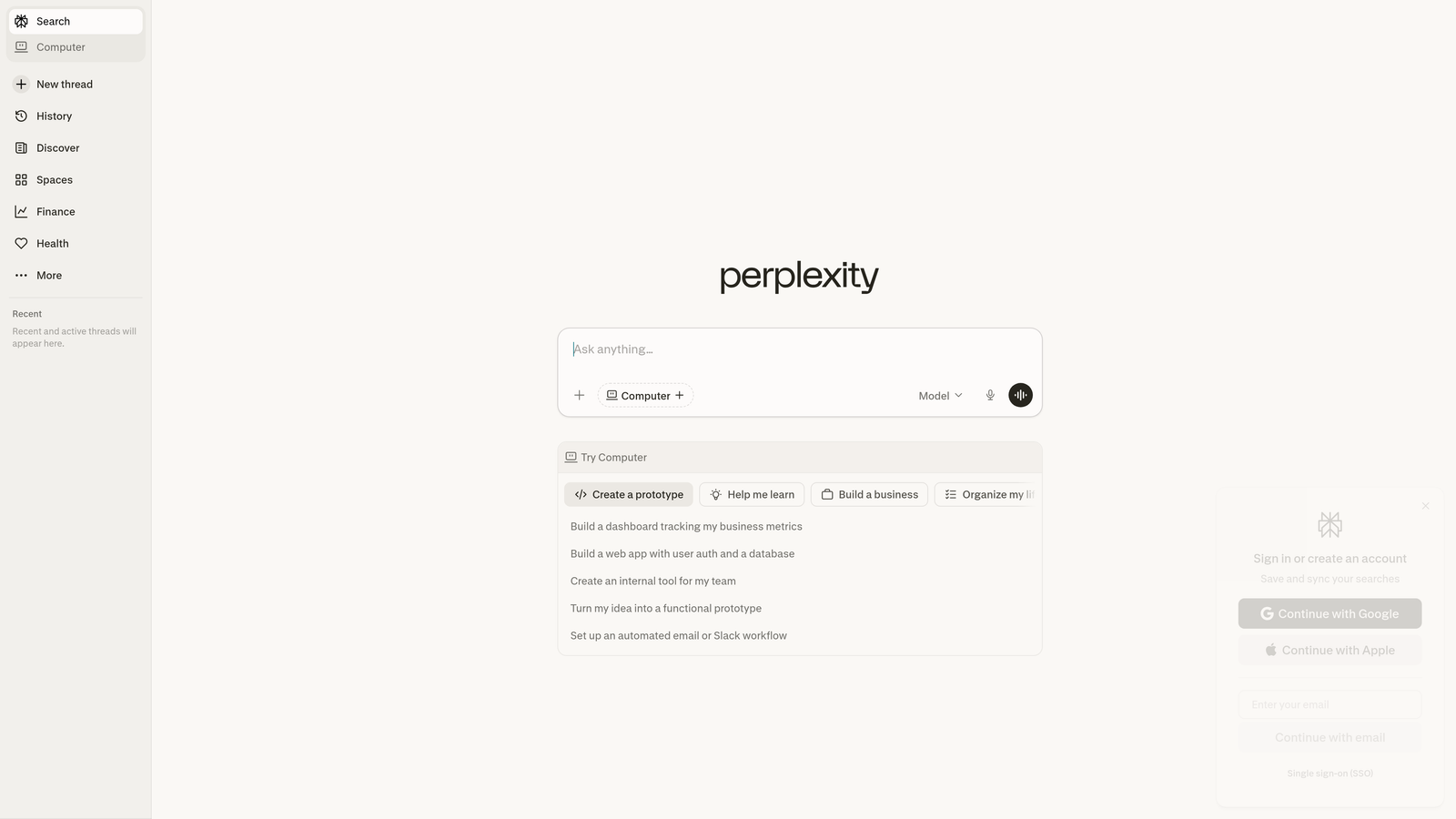
Perplexity Brand Analytics provides native insights into how brands appear within Perplexity's conversational search responses.
Where This Tool Shines
As a first-party analytics solution, you get the most accurate data about citations within Perplexity itself. No third-party tool can match the precision of native platform analytics.
The query category analysis reveals which types of searches trigger your brand mentions, helping you understand the specific contexts where Perplexity recommends your products or services.
Key Features
Native Citation Insights: Tracks brand mentions directly from Perplexity's platform with complete accuracy.
Source Attribution: Shows which sources Perplexity cites when mentioning your brand.
Query Analysis: Categorizes the types of searches that result in brand citations.
Direct Integration: Accesses data without third-party APIs or intermediary tools.
Trend Tracking: Monitors changes in citation frequency and context over time.
Best For
Companies that identify Perplexity as a key discovery channel for their target audience and want platform-specific insights rather than multi-model tracking.
Pricing
Included with Perplexity Pro subscription at $20 per month. No separate analytics fee beyond the base subscription.
6. Mention AI Extension
Best for: Marketing teams using Mention for social listening who want to add AI monitoring.
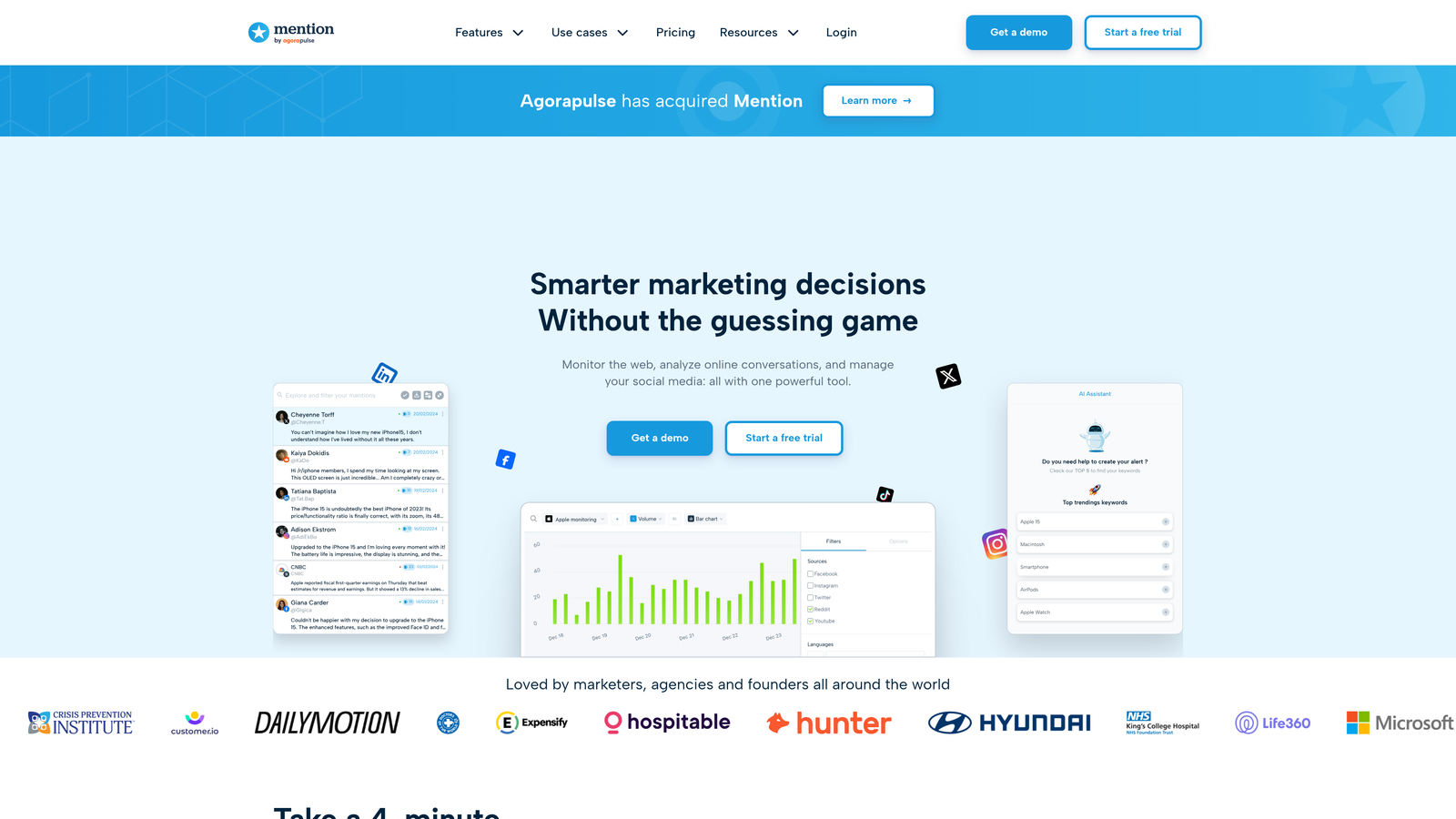
Mention AI Extension adds AI-generated content monitoring to the existing Mention social listening platform.
Where This Tool Shines
The unified approach to social and AI monitoring creates a complete picture of brand visibility across channels. You can compare how your brand appears in social conversations versus AI responses.
Team collaboration features let multiple stakeholders access AI citation data with customizable alert rules, ensuring the right people see relevant mentions without notification overload.
Key Features
Unified Dashboard: Combines social media mentions and AI citations in a single monitoring interface.
Competitive Analysis: Compares your AI citation frequency and sentiment against competitors.
Custom Alerts: Creates specific notification rules based on keywords, sentiment, or AI platforms.
Team Features: Assigns mentions to team members and tracks response workflows.
Historical Data: Archives AI citations for trend analysis and reporting over time.
Best For
Marketing teams already invested in the Mention platform who want to extend their existing monitoring infrastructure to include AI citations.
Pricing
AI extension starts at $99 per month, requiring an active Mention base subscription starting at $41 per month.
7. ChatGPT Plugin Monitor by Zapier
Best for: Teams wanting custom AI monitoring workflows without building proprietary tracking systems.
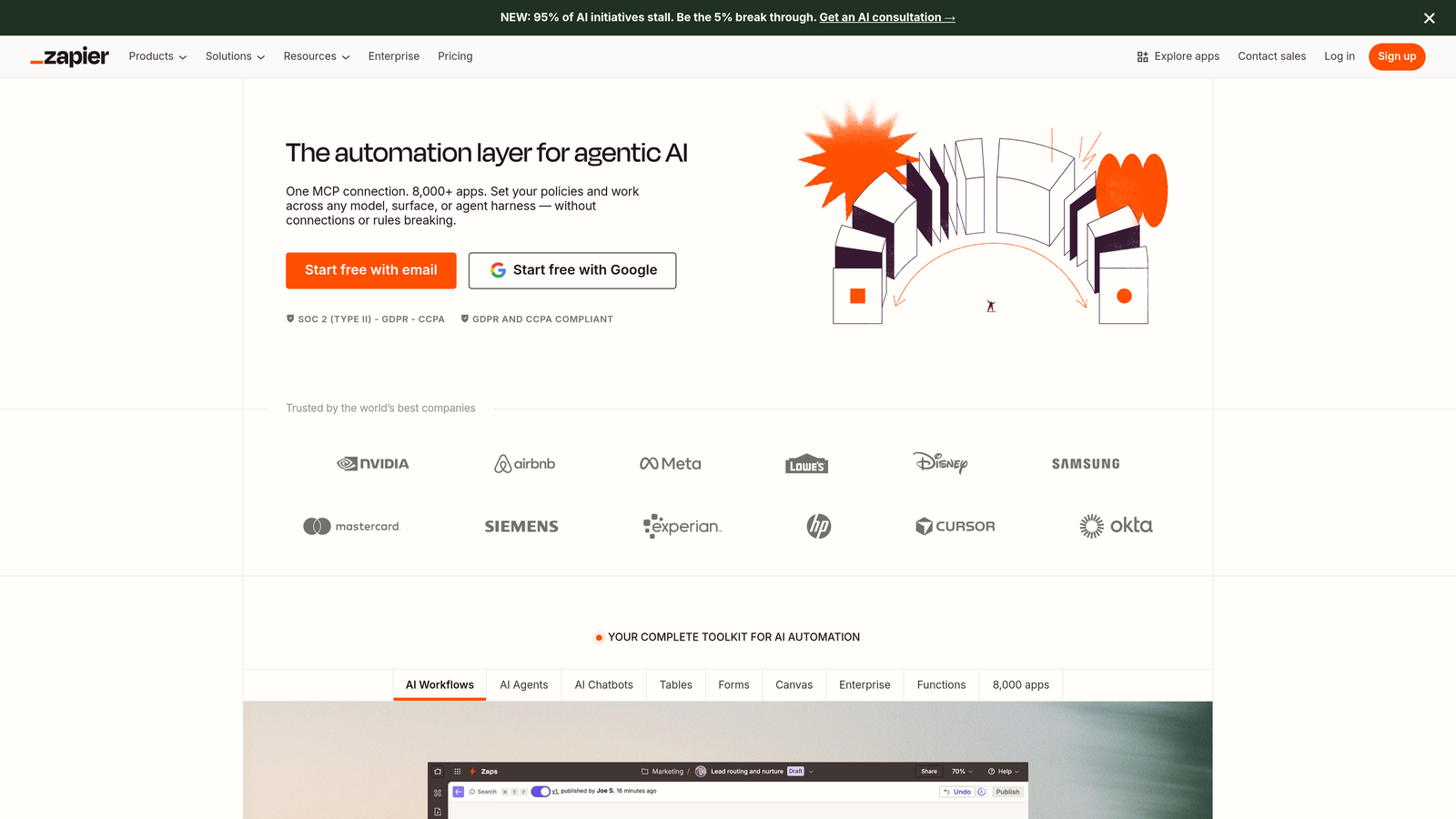
ChatGPT Plugin Monitor by Zapier enables no-code automation for creating customized AI citation tracking workflows.
Where This Tool Shines
The flexibility to connect AI monitoring with over 5,000 apps means you can route citation alerts directly into your existing tools—Slack, email, CRM, project management, or analytics platforms.
No coding requirement makes this accessible to marketing teams without developer resources. You build monitoring workflows through visual automation rather than writing API integrations.
Key Features
Custom Triggers: Creates automated workflows that activate when specific AI citation conditions occur.
5,000+ Integrations: Connects AI monitoring data to virtually any business application.
No-Code Builder: Designs complex automation workflows through visual interface without programming.
Flexible Notifications: Routes alerts to email, Slack, SMS, or any connected application.
Multi-Step Workflows: Chains multiple actions together when AI citations are detected.
Best For
Marketing operations teams that want to integrate AI citation tracking into existing workflows and tools without custom development.
Pricing
Automation workflows start at $19.99 per month. More complex monitoring setups may require higher-tier plans with additional task allowances.
8. Semrush AI Visibility Toolkit
Best for: SEO teams expanding from traditional search tracking into AI visibility monitoring.
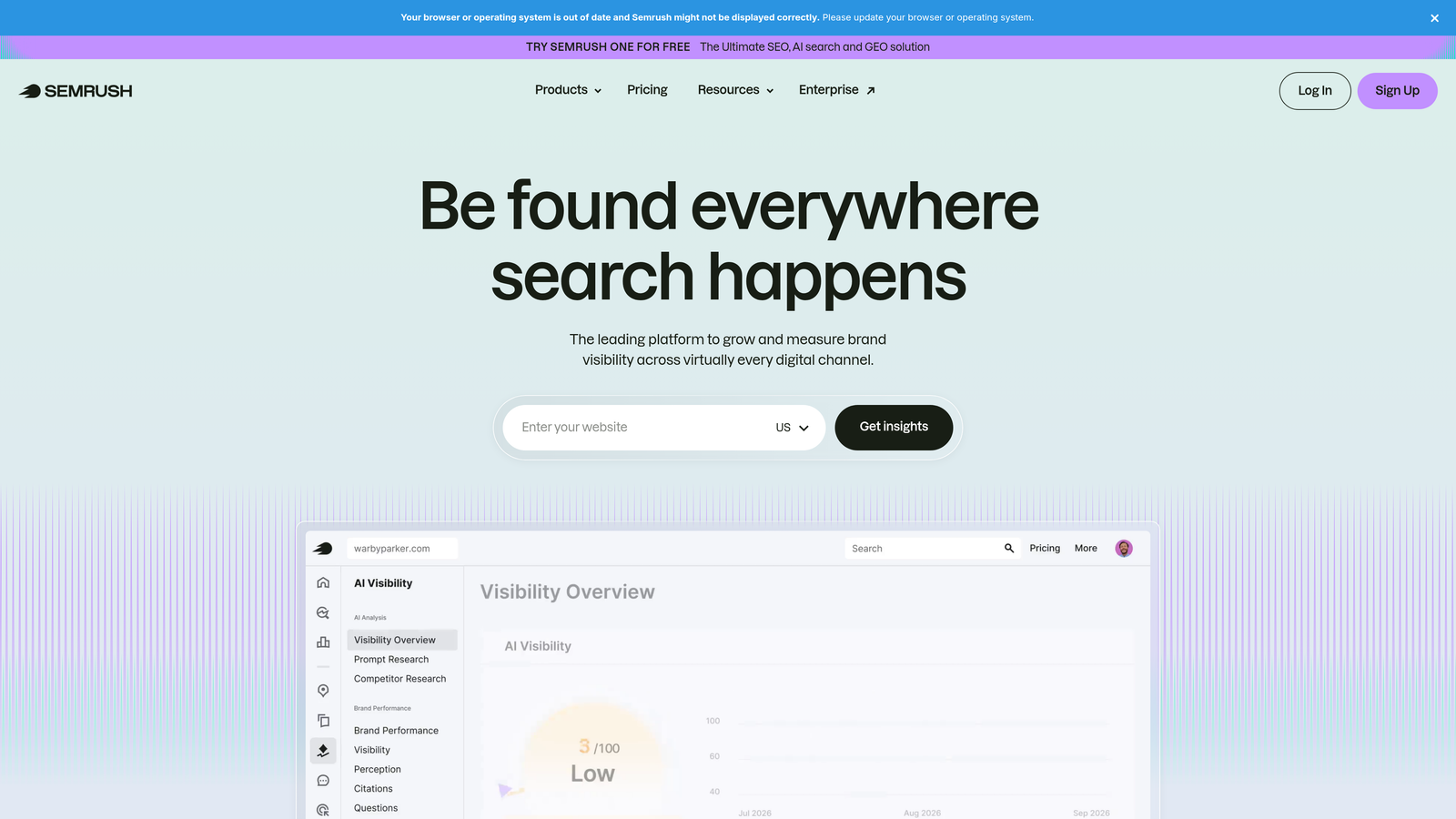
Semrush AI Visibility Toolkit integrates AI citation tracking into the established SEO platform's Business plan.
Where This Tool Shines
The correlation between keyword rankings and AI citations reveals how traditional SEO performance influences AI visibility. You can identify which ranking improvements translate into more AI mentions.
Teams already proficient with Semrush face minimal learning curve when adding AI monitoring. The familiar interface and reporting structure extend seamlessly to AI visibility metrics.
Key Features
Combined Metrics: Displays SEO rankings alongside AI citation frequency in unified reports.
Familiar Interface: Uses the same Semrush navigation and reporting structure for AI visibility data.
Keyword Correlation: Shows relationships between search rankings and AI mention frequency.
Comprehensive Reporting: Generates client-ready reports combining traditional and AI visibility metrics.
Historical Tracking: Maintains long-term data for analyzing AI visibility trends over months or years.
Best For
Agencies and in-house SEO teams with existing Semrush subscriptions who want to add AI monitoring without introducing separate tools or learning new platforms.
Pricing
Included in Semrush Business plan at $499.95 per month. No separate fee for AI visibility features beyond the base subscription.
9. Manual Prompt Testing Method
Best for: Brands testing AI citation tracking before committing to paid tools or very small teams.
The manual prompt testing approach uses systematic queries across AI platforms with spreadsheet tracking to monitor brand citations without specialized software.
Where This Tool Shines
Zero financial investment makes this accessible for bootstrapped startups or teams validating whether AI citation tracking matters for their specific business before purchasing tools.
Direct interaction with AI models provides firsthand understanding of how they respond to different query types. This qualitative insight complements the quantitative data from automated tools.
Key Features
No Cost: Requires only time investment and spreadsheet software you likely already have.
Full Control: Design exactly which prompts to test based on your specific business context and customer questions.
Direct Testing: Interact with AI models firsthand to understand their response patterns and citation logic.
Exploratory Research: Validates whether AI citations represent a meaningful channel before investing in monitoring tools.
Custom Tracking: Build spreadsheet templates that capture exactly the data points relevant to your business.
How to Set It Up
- Build a query list of 20–50 prompts. Mix branded queries (your company name), category queries prospects use without naming brands ("best project management tools for remote teams"), and competitor comparison queries. Include factual, analytical, and recent-trend prompts, since each surfaces different source preferences.
- Standardize execution. Record the model and version, use the same settings, start each test in a fresh conversation, and note any model updates. Inconsistent execution makes trend data unreliable.
- Ask for sources explicitly. After each answer, follow up with "Which specific sources informed that answer?" to expose the domains ChatGPT relies on for that query.
- Capture the full context. Log date, prompt, every brand mentioned, position in the answer, sources cited, sentiment, and any inaccurate claims about your pricing or features.
- Run the core set weekly across ChatGPT, Claude, and Perplexity, and repeat important prompts several times, because single responses vary.
Best For
Startups with limited budgets, solo founders, or teams in the early stages of understanding AI visibility who need to validate the opportunity before investing.
Pricing
Free beyond the time investment required for systematic testing and documentation. Plan for several hours weekly to maintain consistent tracking.
Other Tools Worth Considering
The AI visibility category is moving quickly. These dedicated trackers are also worth evaluating depending on your needs:
- Profound: Enterprise AI answer monitoring with prompt library management, competitive share-of-voice reporting, multi-brand portfolio tracking, and API access. Custom pricing.
- ChatWatch: Focused exclusively on ChatGPT and the OpenAI ecosystem, with conversation-context analysis and tracking across GPT model versions. From $59/month.
- Peec AI: Competitive share-of-voice benchmarking with category-level visibility scoring, real-time alerts, and Slack/email integration; well suited to agencies managing multiple clients. From around $79/month.
- Otterly.AI: Keyword-style position tracking in AI answers with weekly trend reports, familiar to traditional SEO teams. From $49/month.
- Knowatoa: Custom prompt monitoring with side-by-side comparisons of how different models answer the same question. From $99/month.
- Promptwatch: Prompt-level historical tracking that alerts you when AI responses to your key queries change.
- AIMonitor.me: Basic multi-platform citation tracking with email summaries and setup in under 10 minutes. From $29/month.
- BrandMentions AI Module: Adds AI citations to BrandMentions' web and social monitoring. Add-on from $49/month.
Content platforms such as AirOps and Writesonic are sometimes grouped into this category, but they produce and test GEO content rather than track citations, so pair them with a dedicated tracker.
Key Metrics for ChatGPT Citation Analysis
Whichever tool you choose, track the same core metrics so results stay comparable over time:
- Citation frequency: The share of tracked prompts in which your brand appears. A competitor at 65% of comparison queries versus your 15% is a structural visibility gap, not noise.
- Share of voice: Your mentions as a proportion of all brand mentions across the prompt set.
- Citation quality: A weighted score, for example 0 for no mention, 1 for a passing mention, 3 for a positive mention with context, and 5 for a clear recommendation with specific advantages.
- Citation accuracy: How often answers misstate your pricing, features, or positioning. An inaccurate citation can be worse than none.
- Source share: Which of your URLs, and which third-party domains, models cite when discussing your category.
- Volatility and decay: Week-over-week change in mention rate per prompt (volatility) and the decline in citations for a page or topic over time without updates (decay). Both require consistent historical data to measure.
Automated Tools vs. Manual Tracking
Manual testing builds intuition but caps out at a few dozen prompts and introduces inconsistency between sessions. Automated platforms run hundreds of prompts on a fixed schedule, across multiple models, with historical trend lines and alerts. A practical path is to start manually to identify the prompts that matter, then move that query set into a tool once you need multi-model coverage, competitor benchmarking, or reporting for stakeholders.
For enterprise teams, a workable reporting cadence is automated daily or weekly runs of the core prompt set, a weekly review of significant shifts and new competitor appearances, and a monthly report covering citation frequency, share of voice, sentiment, and the content actions taken in response.
Making the Right Choice
For comprehensive AI visibility tracking with actionable insights, Sight AI offers the most complete solution—especially if you want to combine monitoring with content optimization. The integrated approach means you're not just watching AI citations happen; you're actively working to improve them.
Enterprise teams with existing social listening infrastructure may prefer Brandwatch AI Monitor for seamless integration. The unified dashboard eliminates tool sprawl and maintains consistent security policies across all monitoring activities.
Startups and smaller teams should consider AIBrandTrack or the manual method to validate the need before investing in premium tools. Understanding whether AI citations actually drive business results for your specific market justifies the investment in more sophisticated tracking.
For a deeper look at how these platforms stack up, see our guide to the best AI mention tracking tools and what to look for before you commit.
If Perplexity represents a key discovery channel for your audience, the native Brand Analytics provides the most accurate platform-specific insights. Similarly, teams already using Semrush or Mention benefit from extending their existing subscriptions rather than introducing new tools.
Base the decision on where your audience actually asks questions. B2B buyers often concentrate on ChatGPT and Claude, while consumer brands should also watch Perplexity and Google's AI Overviews.
The key is starting now. AI citations are increasingly influencing purchase decisions as consumers turn to ChatGPT, Claude, and Perplexity for product recommendations and research. Understanding your current AI visibility is the first step toward improving it. Whether you choose automated monitoring or systematic manual testing, documenting how AI models talk about your brand today creates the baseline for measuring improvement.
Once you have that baseline, improving it is largely a content task: structure pages with headings that mirror real questions, present data in tables and lists with explicit attribution, keep statistics current, and earn mentions on authoritative third-party sites that models already cite in your category.
For a side-by-side breakdown of strengths and pricing, see our full ChatGPT tracking tools comparison to find the right fit for your team.
Frequently Asked Questions
Can I see when ChatGPT cites my website?
Not through standard analytics. ChatGPT search sometimes sends referral traffic when users click a cited link, but most mentions generate no visit. To see citations reliably, you need to run relevant prompts and record the sources returned, either manually or with a citation tracking tool.
What's a good tool to track sources in ChatGPT?
Choose a tool that logs the cited URLs and domains for each prompt, not just brand mentions. Sight AI and Semrush cover ChatGPT alongside other models; ChatWatch goes deeper on ChatGPT alone; the manual method with a source-attribution follow-up prompt works for a free start.
How often should I track ChatGPT citations?
Weekly is sufficient for most brands to spot trends without overreacting to single-response variation. Brands in reputation-sensitive categories or during launches benefit from daily automated runs and real-time alerts.
Stop guessing how AI models like ChatGPT and Claude talk about your brand—get visibility into every mention, track content opportunities, and automate your path to organic traffic growth. Start tracking your AI visibility today and see exactly where your brand appears across top AI platforms.