Picture this: a potential customer asks ChatGPT for the best project management tools for remote teams. The AI confidently recommends three options—none of which include your product. Meanwhile, your competitor gets mentioned with glowing context about their collaborative features. You have no idea this conversation happened. You can't measure it, track it, or optimize for it. This is the new visibility blind spot facing modern brands.
As AI assistants like ChatGPT, Claude, Perplexity, and Gemini reshape how people discover information and make purchase decisions, traditional marketing metrics are missing a critical piece of the puzzle. Your Google Analytics shows search traffic. Your social listening tools track mentions on Twitter and Reddit. But what about the millions of conversations happening inside AI chat interfaces where recommendations are made, comparisons are drawn, and buying decisions are influenced?
This is where AI visibility monitoring subscriptions come in. Think of them as the infrastructure layer for the next generation of brand tracking—purpose-built to answer the question that keeps forward-thinking marketers up at night: "What are AI models actually saying about us?" As AI-powered search continues to eat into traditional search volume, understanding your brand's presence in AI responses isn't just nice to have. It's becoming essential infrastructure for organic growth.
The Rise of AI-Powered Search and Your Brand's Blind Spot
The way people find information has fundamentally changed. Instead of typing queries into Google and clicking through ten blue links, users are increasingly turning to conversational AI assistants for instant, synthesized answers. They ask ChatGPT to compare software options. They use Perplexity to research service providers. They consult Claude for product recommendations.
Here's the thing: these AI models aren't just regurgitating search results. They're making judgments, drawing comparisons, and shaping narratives based on their training data and retrieval systems. When someone asks "What's the best email marketing platform for e-commerce?" the AI doesn't show a list of search results—it constructs a narrative answer that might mention three to five brands with specific context about their strengths and weaknesses.
This creates a massive visibility challenge. Traditional SEO tools can tell you where you rank on Google for specific keywords. They can track your backlink profile and domain authority. But they cannot tell you whether ChatGPT recommends your product when prompted about solutions in your category. They cannot measure whether Claude describes your brand positively or negatively. They cannot reveal which of your competitors are dominating AI-generated recommendations.
The competitive risk here is substantial. AI models are increasingly influencing purchase decisions at the critical research phase. If your brand is invisible or misrepresented in these AI responses, you're losing mindshare with potential customers before they ever reach your website. You might have excellent traditional SEO, strong social presence, and great content—but if AI assistants consistently recommend competitors instead of you, that advantage erodes.
What makes this particularly challenging is the opacity of AI responses. Unlike Google search results where you can manually check your rankings, you cannot easily audit how hundreds of different prompts about your industry generate responses across multiple AI platforms. You need systematic monitoring to understand your AI visibility landscape—which is exactly what AI visibility monitoring platforms provide.
How AI Visibility Monitoring Subscriptions Actually Work
At their core, AI visibility monitoring subscriptions automate the process of testing how AI models respond to relevant prompts about your brand, industry, and competitors. Think of it like having a research team that continuously asks AI assistants thousands of questions related to your business and meticulously tracks every response.
The mechanics work like this: the monitoring platform maintains a library of strategic prompts—questions that real users might ask when researching products or services in your category. These range from direct brand queries like "Tell me about [Your Company]" to competitive comparison prompts like "What are the best alternatives to [Competitor]?" to broader category questions like "What tools should I use for content marketing?"
The platform then systematically submits these prompts to multiple AI models—ChatGPT, Claude, Perplexity, Gemini, and others—and captures the complete responses. This happens on a regular schedule, creating a historical record of how AI visibility changes over time. The system analyzes each response for several key signals: whether your brand was mentioned, the context of that mention, the sentiment expressed, and how you compare to competitors in the same response.
Here's where subscription monitoring differs fundamentally from one-time audits. A single audit gives you a snapshot—what AI models say about you today. A subscription gives you the movie—how your AI visibility evolves as you publish content, as competitors make moves, and as AI models update their knowledge. Understanding the difference between AI visibility tracking vs manual monitoring helps clarify why automated subscriptions deliver superior insights.
Quality monitoring platforms track several critical metrics. Mention frequency shows how often your brand appears across tracked prompts—your share of AI voice in your category. Sentiment scores analyze whether mentions are positive, neutral, or negative, giving you a qualitative measure of brand perception. Competitor comparisons reveal which brands dominate specific prompt categories and how you stack up. Prompt coverage indicates which types of queries generate mentions and which represent visibility gaps.
The real power comes from aggregating this data over time. You start to see patterns. Maybe AI models consistently mention you for one product line but ignore another. Perhaps certain competitor names trigger automatic comparisons to your brand while others don't. You might discover that industry-specific jargon generates better visibility than generic terms. These insights become the foundation for strategic optimization—which brings us to what makes a subscription truly valuable.
What a Quality Subscription Should Include
Not all AI visibility monitoring subscriptions are created equal. As this category matures, the gap between basic tracking and comprehensive monitoring is widening. Here's what separates platforms that deliver real strategic value from those that just scratch the surface.
Multi-Platform Coverage Is Non-Negotiable: Your customers aren't loyal to one AI assistant. Some prefer ChatGPT's conversational style. Others trust Perplexity's cited sources. Developers lean on Claude. A monitoring subscription that only tracks one or two platforms gives you an incomplete picture. Look for comprehensive coverage across ChatGPT, Claude, Perplexity, Gemini, and emerging AI tools. The best multi-platform AI monitoring software treats each AI model as a distinct channel with its own visibility dynamics.
Real-Time Alerts Keep You Responsive: AI visibility can shift quickly. A competitor launches a well-optimized piece of content, and suddenly they're dominating prompts where you used to appear. A negative mention starts appearing in responses about your category. Quality subscriptions include alert systems that notify you when significant changes occur—new competitor mentions, sentiment shifts, or sudden drops in visibility for key prompts. This real-time awareness lets you respond strategically rather than discovering problems weeks later in a monthly report.
Historical Trend Analysis Reveals What's Working: The ability to look back over weeks and months of data transforms monitoring from a reporting tool into a strategic asset. You should be able to correlate visibility improvements with specific content publications, track how algorithm updates affected your mentions, and identify long-term trends in competitive positioning. Platforms that only show current snapshots without historical context miss the strategic insights that drive optimization decisions.
Actionable Insights Matter More Than Raw Data: The best monitoring subscriptions don't just tell you what's happening—they help you understand why and what to do about it. This means content gap identification that shows which topics and prompts generate competitor mentions but not yours. It means optimization recommendations based on successful patterns in your data. It means highlighting which types of content correlate with improved AI visibility. Look for platforms that transform monitoring data into clear next steps for your content strategy.
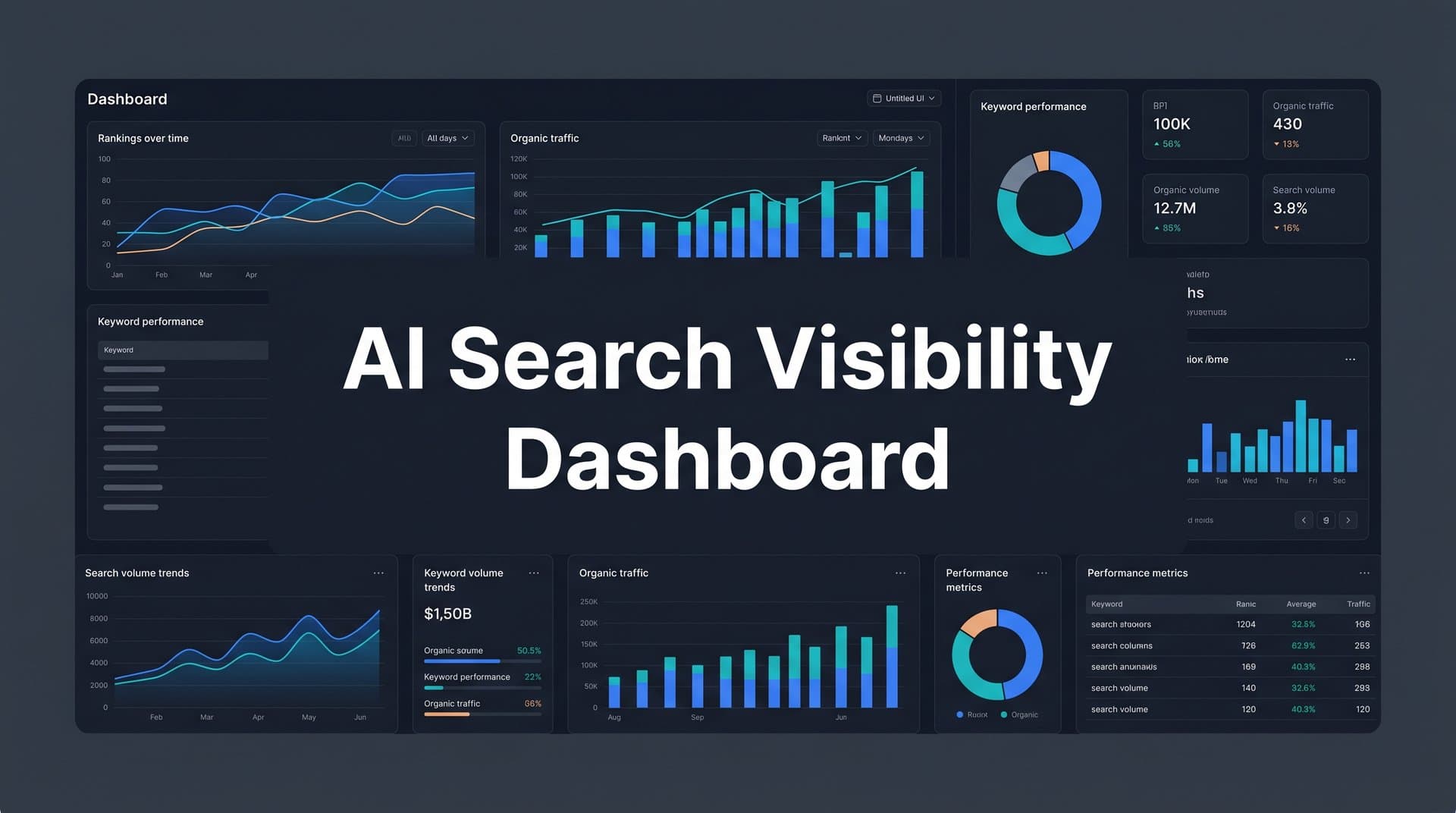
The platform should also make it easy to customize tracking for your specific needs. Can you add custom prompts that matter to your business? Can you adjust monitoring frequency for high-priority categories? Can you segment data by product line, geographic market, or customer segment? A robust AI visibility monitoring dashboard ensures the monitoring aligns with your strategic priorities rather than forcing you into a one-size-fits-all approach.
Evaluating Subscription Tiers and Pricing Models
AI visibility monitoring subscriptions typically structure pricing around several key variables, and understanding these models helps you assess value and avoid overpaying for capabilities you don't need. The pricing landscape is still evolving, but clear patterns are emerging.
Query Limits and Monitoring Frequency: Most platforms tier pricing based on how many prompts they track and how often. Entry-level plans might monitor 100-200 prompts monthly across basic categories. Mid-tier plans expand to 500-1,000 prompts with weekly or daily monitoring. Enterprise plans offer thousands of tracked prompts with real-time monitoring. Consider your category's complexity and competitive intensity. Niche B2B software might need fewer prompts than consumer products with dozens of competitors and use cases.
Platform Access Determines Your Visibility Scope: Some subscriptions gate AI platform coverage by tier. Basic plans might track only ChatGPT and Claude. Premium tiers add Perplexity, Gemini, and emerging platforms. This is where you need to think strategically about where your customers actually interact with AI. If your audience skews technical, Claude coverage matters. If you're in consumer goods, broader platform coverage becomes more critical. Don't pay for comprehensive tracking if your customers concentrate on one or two platforms—but don't cheap out if you're leaving visibility gaps.
Feature Gating Affects Strategic Value: Beyond basic monitoring, platforms often tier advanced features. Sentiment analysis might be premium-only. Historical data retention could be limited on basic plans. Custom prompt creation, competitor benchmarking, and content gap analysis often sit in higher tiers. Evaluate which features actually drive decisions for your team. Reviewing a detailed AI visibility platform pricing comparison can help you understand what each tier typically includes.
Watch for Hidden Costs: The listed subscription price isn't always the full story. Some platforms charge setup fees for initial configuration and prompt library creation. Additional user seats might cost extra if you need to share access across your marketing team. API access for integrating monitoring data into your analytics stack could be a separate charge. Advanced reporting or white-label options often carry premium pricing. Always clarify the total cost of ownership, including these potential add-ons, before committing.
Here's a practical framework for assessing value: calculate the cost per tracked prompt per month, then consider the strategic importance of those prompts. If you're paying $500 monthly to track 500 high-intent purchase prompts in your category, that's $1 per prompt—potentially excellent value if those insights inform content that captures even a fraction of that AI-driven traffic. Understanding AI visibility monitoring pricing structures helps you make informed decisions about which tier delivers the best ROI for your specific needs.
Turning Monitoring Data Into Competitive Advantage
Having AI visibility data is one thing. Using it to drive measurable improvements in how AI models represent your brand is another. The most sophisticated marketing teams are building systematic feedback loops that turn monitoring insights into content strategy and measurable visibility gains.
Content Strategy Informed by Visibility Gaps: Your monitoring data reveals exactly where your brand should appear but doesn't. Maybe AI models consistently mention competitors when users ask about specific use cases or features. Maybe certain industry terms generate robust AI responses that never include your brand. These gaps become your content roadmap. You create comprehensive resources addressing those exact topics, optimized for the way AI models retrieve and synthesize information. This is Generative Engine Optimization in action—strategic content creation designed to improve AI visibility.
The key is specificity. Instead of generic "we should write more about project management," your monitoring data tells you "AI models mention competitors but not us when users ask about project management for distributed teams with async communication needs." That specific insight drives targeted content that addresses the exact context where you're currently invisible. Over time, as AI models incorporate or retrieve this content, your visibility for those prompts improves.
Identifying High-Value Prompt Patterns: Not all AI visibility is equally valuable. Some prompts represent early research with low purchase intent. Others indicate users at the decision stage actively comparing options. Your monitoring data helps you identify which prompt patterns actually drive business outcomes. You might discover that mentions in comparison prompts correlate with trial signups, while mentions in broad category questions don't. Leveraging AI brand monitoring tools helps you prioritize optimization efforts on the prompts that matter most to your bottom line.
You can also identify prompt patterns where you have natural advantages. Maybe your brand consistently gets mentioned when users ask about specific integrations or technical capabilities. Double down on those strengths by creating even more comprehensive content that reinforces your authority in those areas. This compounds your visibility advantage where you're already winning.
Building the Optimization Feedback Loop: The most effective approach to AI visibility follows a systematic cycle. First, monitor your current state and identify priority gaps. Second, create or optimize content specifically designed to address those gaps—comprehensive, well-structured resources that AI models can easily parse and retrieve. Third, publish and promote that content to maximize its reach and authority signals. Fourth, continue monitoring to measure whether your visibility improves for target prompts.
This cycle repeats continuously. As you close visibility gaps, new ones emerge. Competitors make moves that shift the landscape. AI models update their knowledge bases. Your monitoring subscription provides the feedback mechanism that keeps your strategy responsive and effective. You're not optimizing blindly based on assumptions about what AI models value—you're optimizing based on measured results from your specific market and prompts.
The teams seeing the best results treat AI visibility monitoring as a leading indicator for organic growth strategy. They review monitoring data weekly, identify trends monthly, and adjust content priorities quarterly based on what the data reveals. They correlate visibility improvements with downstream metrics like organic traffic and conversions, building a business case for continued investment in GEO and AI visibility optimization.
Putting It All Together: Making the Right Choice
Choosing an AI visibility monitoring subscription isn't just about comparing feature lists and pricing tiers. It's about finding the platform that aligns with your current maturity level, strategic priorities, and growth trajectory. Here are the key questions that should guide your decision.
Where Are You in Your AI Visibility Journey? If you're just beginning to think about how AI models represent your brand, you need a platform with strong onboarding, educational resources, and clear baseline reporting. If you're already optimizing for GEO and need to measure effectiveness, you need advanced analytics and historical trending. If you're managing AI visibility across multiple brands or product lines, you need enterprise-grade segmentation and reporting. Match the platform's sophistication to your team's current capabilities and near-term growth plans.
What's Your Competitive Landscape Like? Highly competitive categories with many established players require more comprehensive monitoring—more prompts, more platforms, more frequent tracking. If you're in a niche market with three to five key competitors, you can start with more focused monitoring. Consider how quickly your competitive landscape changes. Fast-moving categories need real-time alerts and frequent monitoring. Stable markets can work with less frequent tracking.
How Will You Actually Use the Data? Be honest about your team's capacity to act on monitoring insights. If you have dedicated content resources ready to create GEO-optimized materials based on visibility gaps, invest in a platform with robust content gap analysis and optimization recommendations. If you're primarily focused on basic brand awareness and reputation management, simpler mention tracking might suffice. Don't pay for analytical sophistication you won't use, but don't shortchange yourself on insights that could drive real strategic value.
Signs Your Current Approach Is Falling Short: You should consider an AI visibility monitoring subscription if you're experiencing any of these scenarios: You have no systematic way to know how AI models talk about your brand. Your competitors seem to be getting mentioned in AI responses more frequently than you. You're investing in content but can't measure its impact on AI visibility. You're hearing from customers that they discovered competitors through AI assistants. You want to optimize for GEO but lack the feedback data to know what's working.
When evaluating specific platforms, request a trial or demo that includes your actual brand and competitors. Generic demos don't reveal how the platform handles your specific market dynamics. Ask to see historical data if available, and understand how long it takes to build meaningful trend analysis. Clarify the onboarding process—some platforms require significant setup time to configure prompt libraries and establish baselines.
The right subscription should feel like it's revealing a previously invisible dimension of your market presence. You should come away from reports with clear insights about where you stand, where opportunities exist, and what actions to prioritize. If you're just getting data dumps without strategic clarity, keep looking.
Your Next Move in the AI Visibility Race
AI visibility monitoring has crossed the threshold from experimental to essential. As AI assistants continue to reshape how people discover brands and make decisions, the question isn't whether to monitor your AI visibility—it's how quickly you can establish systematic tracking and start optimizing.
The brands winning in this new landscape share a common approach: they treat AI visibility as a core channel alongside traditional SEO and social media. They invest in comprehensive monitoring across multiple platforms. They use visibility data to inform content strategy rather than creating content in the dark. They measure improvements over time and correlate AI visibility with business outcomes.
When evaluating subscriptions, prioritize platforms that offer multi-platform coverage, actionable insights beyond raw data, and pricing that scales with your needs. Look for historical trending capabilities that reveal what's working and real-time alerts that keep you responsive to changes. Most importantly, choose a platform that fits your team's current sophistication level while providing room to grow as your AI visibility strategy matures.
The competitive advantage goes to brands that establish visibility early, before their categories become saturated with competitors all optimizing for the same AI mentions. Every month you operate without systematic monitoring is a month of missed opportunities to understand and improve how AI models represent your brand.
Start tracking your AI visibility today and see exactly where your brand appears across top AI platforms. Stop guessing how AI models like ChatGPT and Claude talk about your brand—get visibility into every mention, track content opportunities, and automate your path to organic traffic growth. The brands that win the next decade of organic growth are the ones that can see and optimize for AI visibility now.