Content teams are drowning. Marketing departments report spending 60% of their time on content logistics—planning, coordinating, reviewing, and republishing—instead of creating compelling content that drives results. Meanwhile, audience expectations for personalized, timely, and relevant content have never been higher.
The solution isn't hiring more writers or working longer hours. Smart content teams are implementing AI content management strategies that automate the operational overhead while amplifying human creativity. These approaches don't replace human insight—they eliminate the bottlenecks that prevent your team from focusing on strategic, high-impact content work.
The most successful content operations in 2026 are those that have moved beyond basic AI writing tools to implement comprehensive management systems. They're using AI to orchestrate entire content workflows, from ideation and creation to optimization and performance tracking. The result? Teams that produce 3x more content while actually improving quality and engagement metrics.
Here are the essential strategies that will transform your content management from a time-consuming burden into a competitive advantage.
1. Implement Multi-Agent Content Workflows
Content creation has traditionally been a relay race where each team member waits for the previous person to finish before starting their work. The writer waits for the strategist. The editor waits for the writer. The SEO specialist waits for the editor. This sequential approach creates inevitable bottlenecks—when one person is delayed, the entire timeline shifts. Even worse, each handoff introduces interpretation gaps where requirements get misunderstood or brand standards drift.
Multi-agent content workflows solve this coordination nightmare by deploying specialized AI agents that work simultaneously on different aspects of content creation. Think of it as transforming your relay race into synchronized swimming—multiple specialized performers executing their roles in parallel, coordinated by an intelligent orchestration system.
How Multi-Agent Systems Transform Content Production
Instead of one generalist AI tool trying to handle everything, multi-agent systems assign specific responsibilities to specialized agents. One agent focuses exclusively on research and fact-checking, maintaining databases of verified information and current industry data. Another agent specializes in SEO optimization, analyzing keyword opportunities and search intent. A third agent ensures brand voice consistency, trained on your specific tone, terminology, and messaging guidelines.
These agents don't work in isolation. They share a common knowledge base containing your brand guidelines, approved terminology, target audience profiles, and content objectives. When you initiate a content project, all agents receive the same brief simultaneously and begin their specialized work in parallel.
The research agent compiles relevant data, statistics, and source materials while the SEO agent analyzes keyword opportunities and competitive content. The writing agent begins drafting sections as research becomes available, and the quality assurance agent monitors outputs against brand standards in real-time. This parallel processing compresses what traditionally took weeks into days.
Building Your Multi-Agent Workflow
Start by mapping your current content creation process in detail. Document every step from initial concept to final publication, noting who does what and how long each stage typically takes. Identify which tasks are truly sequential (you can't edit what hasn't been written) versus those that could happen simultaneously (research and SEO analysis don't need to wait for each other).
Configure your first agents for the highest-impact tasks. Most teams benefit from starting with three core agents: a research agent that gathers and verifies information, a writing agent that creates drafts following brand guidelines, and an optimization agent that handles SEO and formatting requirements. Train each agent on your specific standards by providing examples of excellent work, brand voice documentation, and clear quality criteria.
Create automated handoff protocols between agents with built-in quality checkpoints. For example, the research agent's output should be verified for source credibility before the writing agent incorporates it. The writing agent's draft should pass brand voice analysis before moving to optimization. These checkpoints prevent errors from compounding through the workflow.
Establish clear human oversight points for strategic decisions. Agents excel at execution but humans should retain control over content positioning, unique angles, and creative direction. Reserve final approval for human editors who can assess whether the content achieves strategic objectives beyond just meeting technical standards.
Making Multi-Agent Systems Work in Practice
The key to successful implementation is starting simple and expanding gradually. Begin with straightforward content types that follow consistent formats—blog posts, product descriptions, or email newsletters. These predictable structures allow you to refine agent performance before tackling more complex content.
Monitor agent outputs closely during the first month. Track which agents consistently meet quality standards and which need additional training or clearer instructions. Use feedback from human reviewers to progressively improve agent performance. If the SEO agent consistently misses keyword opportunities, refine its training data with examples of well-optimized content.
Avoid the temptation to automate creative decisions. Multi-agent systems excel at executing defined processes, but strategic content direction—choosing which topics to cover, determining unique positioning, crafting compelling narratives—should remain human-driven.
2. Establish Dynamic Content Personalization Systems
Most content teams treat personalization as a nice-to-have feature they'll implement "someday." Meanwhile, they're sending the same generic blog post to a Fortune 500 procurement director and a solo entrepreneur bootstrapping their first startup. The result? Neither reader feels the content speaks to their specific situation, and both bounce within seconds.
Dynamic personalization systems solve this by maintaining a single master content piece while automatically generating variations tailored to different audience segments. Think of it like a skilled presenter who adjusts their examples and emphasis based on who's in the room, except this happens automatically at scale across your entire content library.
The system works by identifying key variable elements in your content—industry-specific examples, technical depth, use case scenarios, benefit emphasis—then swapping these elements based on reader data. A marketing automation article might emphasize ROI and team efficiency for executives while highlighting technical integration details for IT professionals, all from the same master template.
Audience Segmentation Foundation: Start by analyzing your existing audience data to identify meaningful segments. Look beyond basic demographics to behavior patterns—which content types do different groups consume? What problems are they trying to solve? What language and terminology do they use? Create 3-5 core segments initially rather than attempting dozens of micro-segments.
Master Template Architecture: Design content templates with clearly defined variable zones. Your introduction might have three different opening scenarios depending on company size. Your examples section could swap between industry-specific case studies. Your conclusion might emphasize different next steps based on the reader's position in the buying journey. Mark these zones in your content management system for automated variation.
Data Collection Infrastructure: Implement tracking systems that capture the signals needed for personalization. This includes explicit data (form submissions, account information, stated preferences) and implicit data (browsing behavior, content consumption patterns, time on page, scroll depth). Ensure your data collection complies with privacy regulations while gathering enough information to drive meaningful personalization.
Variation Generation Rules: Create decision trees that determine which content variation each reader sees. If reader works in healthcare AND visited pricing page, show healthcare-specific ROI examples. If reader is from enterprise company AND engaged with security content, emphasize compliance features. Start with simple rules and add complexity as you gather performance data.
Testing and Optimization Protocols: Implement A/B testing frameworks that compare personalized variations against generic content and against each other. Track engagement metrics (time on page, scroll depth, click-through rates) and conversion metrics (form submissions, demo requests, purchases). Use this data to continuously refine your personalization rules and variable content elements.
The technical implementation requires connecting your content management system with your customer data platform and analytics tools. Many modern content platforms offer built-in personalization capabilities, while others require integration with specialized personalization engines. The key is ensuring seamless data flow between systems without creating page load delays that harm user experience.
Common pitfalls include over-personalizing to the point of creepiness—readers should feel the content is relevant, not that you're surveilling them. Avoid creating so many variations that you can't maintain content quality across all versions. Start with high-traffic, high-value content pieces rather than attempting to personalize your entire library immediately.
The performance impact can be significant when implemented thoughtfully. Email campaigns using dynamic personalization often see higher open rates and click-through rates compared to generic sends. Website content that adapts to visitor characteristics typically shows improved engagement metrics and lower bounce rates. The key is ensuring personalization adds genuine value rather than just changing superficial elements.
Begin your implementation by selecting one high-performing content piece and creating 2-3 variations for your most distinct audience segments. Measure the performance difference, refine your approach based on results, then gradually expand personalization across more content and segments. This iterative approach builds expertise while demonstrating ROI before major system investments.
3. Create Intelligent Content Distribution Networks
Most content teams treat distribution as an afterthought—creating one piece of content, then manually reformatting it for each platform. This approach creates a multiplication problem: one blog post becomes five separate tasks (LinkedIn post, Twitter thread, Instagram carousel, email newsletter, Facebook update), each requiring manual adaptation, scheduling, and tracking.
The result? Content sits unpublished because teams lack bandwidth for distribution, or gets posted inconsistently across channels, creating fragmented audience experiences and missed engagement opportunities.
What Intelligent Distribution Networks Actually Do
Intelligent distribution networks flip this model entirely. Instead of manual platform-by-platform adaptation, these systems automatically transform content into platform-optimized formats while maintaining brand consistency and strategic messaging.
The system understands that LinkedIn audiences prefer professional insights with data points, while Instagram users engage with visual storytelling and shorter text blocks. Twitter demands concise, conversation-starting hooks, while email newsletters benefit from deeper context and clear calls-to-action.
Rather than creating separate content for each platform, you create once and the network handles intelligent adaptation—adjusting tone, format, length, and visual elements based on platform-specific performance data and audience behavior patterns.
Building Your Distribution Architecture
Start by mapping every platform where your content appears. For each channel, document specific requirements: character limits, optimal posting times, preferred content formats, hashtag conventions, and visual specifications.
Create master content templates that identify which elements can be automatically adapted versus which require human customization. A blog post template might include: core message (adaptable), supporting data points (platform-specific selection), visual assets (auto-resized), and calls-to-action (channel-optimized).
Connect your content management system to distribution platforms through APIs or automation tools. Configure adaptation rules that maintain your brand voice while optimizing for each platform's unique characteristics. For instance, a 2,000-word blog post might become a LinkedIn article highlighting key insights, a Twitter thread breaking down main points, an Instagram carousel visualizing data, and an email newsletter with exclusive analysis.
Implement scheduling intelligence that analyzes when your audience is most active on each platform. Rather than posting simultaneously everywhere, the system staggers distribution based on platform-specific engagement patterns—maybe LinkedIn at 8 AM on Tuesday, Instagram at 6 PM on Wednesday, and email newsletters on Thursday morning.
Platform-Specific Optimization Strategies
LinkedIn Adaptation: Extract professional insights and data-driven conclusions from longer content. Lead with business impact, include relevant statistics, and maintain a consultative tone. The system might pull key findings from a research report and frame them as industry insights.
Twitter Threading: Break complex topics into digestible, sequential tweets that build on each other. Each tweet should provide standalone value while encouraging readers to continue the thread. Include visual breaks and conversation starters to boost engagement.
Instagram Optimization: Transform written content into visual narratives using carousel posts or story sequences. Extract quotable insights for text overlays, and adapt messaging to Instagram's more casual, visually-driven environment.
Email Newsletter Formatting: Provide deeper context than social posts, include exclusive insights not available elsewhere, and structure content for easy scanning with clear sections and compelling subject lines optimized for your subscriber base.
Maintaining Authenticity Across Platforms
The biggest mistake in automated distribution is treating it as simple copy-paste across channels. Each platform has its own culture, expectations, and engagement patterns. Your distribution network should respect these differences while maintaining core brand identity.
Configure your system to adjust tone and style while preserving your essential message. A formal announcement might become more conversational on Twitter while maintaining professional polish on LinkedIn, yet both versions communicate the same core information and brand perspective.
4. Build Predictive Content Performance Models
Content teams face a fundamental challenge: they invest weeks creating content without knowing if it will succeed until after publication. By the time analytics reveal poor performance, resources are already spent and opportunities missed. Traditional analytics are reactive, showing what happened rather than predicting what will happen.
Predictive performance models change this dynamic entirely. These AI systems analyze historical content data, audience behavior patterns, and market trends to forecast how content will perform before you invest time creating it. Think of it as having a crystal ball that tells you which blog topics will generate the most organic traffic or which email subject lines will achieve the highest open rates.
The power lies in pattern recognition at scale. While human editors might remember that "how-to" posts generally perform well, predictive models identify nuanced patterns: specific keyword combinations that drive conversions, optimal content lengths for different topics, publishing times that maximize engagement, and topic angles that resonate with your specific audience.
Building Your Prediction Foundation
Start by compiling comprehensive historical performance data across all content types and distribution channels. Your model needs rich training data: blog post performance metrics, email campaign results, social media engagement patterns, video view statistics, and conversion data. The more complete your historical dataset, the more accurate your predictions become.
Identify key performance indicators that align with your business objectives. Traffic metrics matter for awareness campaigns, while lead generation content should be evaluated on conversion rates. Engagement metrics like time on page and scroll depth reveal content quality, while social shares indicate viral potential. Define what success looks like for each content type before building prediction models.
Clean your data ruthlessly. Remove outliers that skew predictions—viral posts that succeeded due to external factors, content published during unusual circumstances, or pieces that benefited from temporary algorithm changes. Your model should predict typical performance, not exceptional anomalies.
Training Predictive Models
Modern AI platforms can analyze patterns humans miss. Feed your historical data into machine learning systems that identify correlations between content characteristics and performance outcomes. The system learns which topic categories generate the most engagement, which content structures drive conversions, and which publishing strategies maximize reach.
Incorporate external signals beyond your own content performance. Market trend data reveals emerging topics before they peak. Competitor analysis shows which content types are gaining traction in your industry. Search volume trends indicate growing audience interest in specific topics. Seasonal patterns help predict when certain content types will perform best.
Create prediction models for different content objectives. One model might forecast organic traffic potential, while another predicts conversion likelihood. A third could estimate social media engagement, and a fourth might predict content longevity. Different goals require different prediction approaches.
Integrating Predictions Into Planning
Build prediction capabilities directly into your content planning workflow. Before approving new content ideas, run them through your performance models. The system should provide forecasts: expected traffic range, predicted engagement metrics, estimated conversion potential, and recommended optimization strategies.
Use predictions to prioritize your content calendar. When multiple topics compete for limited resources, predictive models help identify which will deliver the strongest ROI. This data-driven prioritization prevents wasting time on content unlikely to achieve business objectives.
Test different content approaches before full production. Predictive models can evaluate headline variations, content angles, and structural approaches, forecasting which will perform best. This testing happens during planning rather than after publication, when changes are costly.
Continuous Model Refinement
Monitor prediction accuracy by comparing forecasts against actual performance. When predictions miss significantly, investigate why. Market conditions may have shifted, audience preferences may have evolved, or your model may need additional training data. Use these discrepancies to improve future predictions.
Update your models regularly as new performance data accumulates. Content trends evolve, audience preferences shift, and platform algorithms change. Models trained on last year's data may not accurately predict this year's performance. Implement continuous learning systems that automatically incorporate new data.
5. Implement Real-Time SEO and AI Optimization
The search landscape transforms overnight. Google rolls out algorithm updates without warning. AI platforms like ChatGPT and Claude shift their recommendation patterns. Your content that dominated page one last month suddenly disappears from results, and you don't discover the problem until traffic reports arrive weeks later.
This reactive approach to SEO optimization creates a perpetual cycle of catch-up. By the time you identify declining performance and update content, your competitors have already captured the traffic you lost. Meanwhile, emerging opportunities pass unnoticed because manual monitoring can't keep pace with the speed of algorithmic change.
The Strategy Explained
Real-time optimization systems continuously monitor search engine behavior and AI model preferences, automatically adapting your content to maintain visibility across both traditional search and AI-powered discovery platforms. Unlike periodic SEO audits that provide snapshots of performance, these systems operate constantly, detecting changes in ranking factors and implementing optimizations before significant traffic loss occurs.
The system tracks multiple signals simultaneously: search engine algorithm updates, keyword ranking fluctuations, competitor content changes, and how AI platforms reference your brand and content. When patterns emerge indicating optimization opportunities or potential problems, the system triggers automated updates to meta descriptions, headers, internal linking structures, and content elements that influence discoverability.
This approach to ai agents for seo ensures your content remains discoverable as the search landscape evolves. Rather than treating SEO as a one-time optimization task during content creation, real-time systems maintain ongoing vigilance, adapting to the dynamic nature of modern search and AI recommendation algorithms.
Implementation Steps
Step 1: Establish Monitoring Infrastructure
Deploy tracking systems that monitor search engine algorithm updates, keyword ranking changes, and AI model behavior patterns. Connect these systems to your content management platform so they can access and analyze your content library. Set up alerts for significant ranking changes, algorithm updates, or shifts in how AI platforms reference your content.
Step 2: Configure Automated Content Scanning
Implement systems that regularly scan your content for optimization opportunities based on current ranking factors. The scanner should evaluate title tags, meta descriptions, header hierarchy, keyword density, internal linking patterns, and content freshness. Create scoring systems that prioritize which content needs immediate attention versus routine maintenance.
Step 3: Deploy AI Visibility Tracking
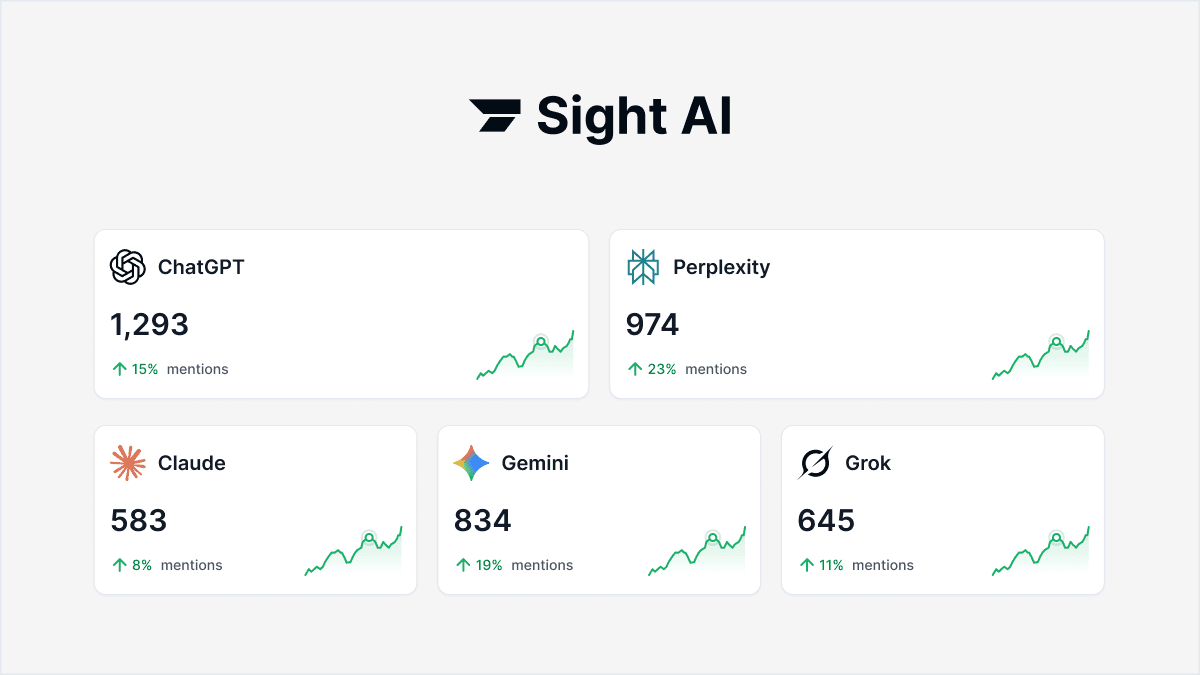
Set up monitoring for how AI platforms like ChatGPT, Claude, and Perplexity reference your brand and content. Track which topics trigger mentions of your company, how AI models describe your products or services, and what context surrounds these references. This visibility data reveals optimization opportunities specifically for AI-powered search and recommendation systems.
Step 4: Create Automated Update Workflows
Build workflows that automatically implement low-risk optimizations without human intervention. These might include updating meta descriptions based on performance data, adjusting internal linking to strengthen topic clusters, or refreshing publication dates on evergreen content. Reserve strategic changes—like major content restructuring or messaging shifts—for human review and approval.
Step 5: Establish Performance Feedback Loops
Configure systems that measure the impact of automated optimizations and use this data to refine future optimization decisions. Track which types of changes consistently improve rankings, which have neutral effects, and which occasionally cause problems. This continuous learning approach ensures your optimization strategies evolve alongside search algorithms.
Real-World Application
Content teams using real-time optimization maintain more consistent organic traffic patterns even during major algorithm updates. When search engines adjust ranking factors, these systems detect the changes and adapt content proactively rather than waiting for traffic reports to reveal problems.
6. Deploy Automated Fact-Checking and Quality Assurance
Your content team just published a comprehensive industry report. Three days later, a reader points out that a key statistic is outdated by two years. The correction requires updating the article, social media posts, email campaigns, and slide decks that referenced the data. This scenario plays out constantly across content operations, eroding credibility and consuming valuable time on damage control.
The challenge extends beyond simple fact-checking. Brand voice inconsistencies, formatting errors, broken links, and accessibility issues slip through manual review processes, especially when teams face tight deadlines. Each quality issue that reaches publication damages trust and requires resource-intensive fixes.
How Automated Quality Assurance Transforms Content Operations
Automated quality assurance systems function as tireless content guardians, scanning every piece before publication against comprehensive databases of verified information and brand standards. These systems check factual claims against authoritative sources, verify citations are current and properly attributed, ensure brand voice consistency, and identify technical issues that impact user experience.
The system maintains living databases of approved terminology, verified statistics, brand guidelines, and quality standards. When content enters the workflow, automated scanning compares every claim, style choice, and technical element against these standards. Potential issues get flagged for human review before publication, preventing errors rather than fixing them after the fact.
This approach differs fundamentally from traditional quality control. Instead of relying on human editors to catch everything during time-pressured reviews, automation handles systematic checking while humans focus on nuanced editorial judgment and strategic content decisions.
Building Your Automated Quality System
Create Verification Databases: Build comprehensive repositories of verified facts, statistics, and approved sources your team regularly references. Include publication dates, source URLs, and update schedules for time-sensitive data. Organize by topic and content type for efficient automated matching.
Implement Automated Scanning: Deploy systems that analyze content against your verification databases during the creation process. Configure real-time alerts when content includes claims without proper citations or references outdated information. Set up automated cross-referencing between your content and source materials.
Establish Citation Verification: Create workflows that automatically check every statistic, quote, and factual claim has a corresponding citation. Verify linked sources remain active and haven't been updated with conflicting information. Flag content using sources older than your defined freshness thresholds.
Deploy Brand Voice Analysis: Train AI systems on your approved brand voice examples, style guides, and tone preferences. Configure automated analysis that identifies content deviating from established voice standards. Create feedback mechanisms that help writers understand and correct voice inconsistencies.
Configure Approval Workflows: Design multi-stage review processes where automated systems handle systematic checks before human reviewers see content. Route flagged issues to appropriate team members based on issue type—factual questions to subject matter experts, voice concerns to brand managers, technical problems to web developers.
Practical Application in Content Operations
Content teams implementing automated quality assurance report dramatic reductions in post-publication corrections and updates. The systems catch inconsistencies human editors miss under deadline pressure, particularly in high-volume content operations where manual review of every detail becomes impractical.
The approach proves especially valuable for content that gets repurposed across multiple formats and channels. When a blog post becomes a social media campaign, email newsletter, and presentation deck, automated systems ensure consistency across all versions. Updates to source material trigger alerts across all content pieces referencing that information.
Technical quality improvements emerge as another significant benefit. Automated systems identify broken links, missing alt text, poor readability scores, and accessibility issues that impact both user experience and search engine performance. These technical elements often get overlooked during content-focused editorial reviews.
Putting It All Together
These ten AI content management strategies represent the difference between content teams that struggle with operational overhead and those that scale efficiently while maintaining quality. The most impactful starting points? Multi-agent workflows eliminate coordination bottlenecks immediately, while automated content auditing reveals quick-win optimization opportunities hiding in your existing content library. Real-time SEO optimization ensures your content maintains visibility as search algorithms and AI platforms evolve.
Your implementation roadmap should prioritize strategies that address your biggest current pain points. If content creation speed is your challenge, start with multi-agent workflows and intelligent distribution networks. If quality consistency concerns you, deploy automated fact-checking and brand voice systems first. If performance optimization is your focus, begin with predictive models and cross-platform intelligence.
The content teams winning in 2026 aren't those with the largest budgets or biggest staffs—they're the ones that have strategically implemented AI systems to amplify human creativity while eliminating operational friction. These strategies don't replace your team's expertise; they free your people to focus on strategic thinking, creative storytelling, and building authentic audience connections.
Ready to transform how your team manages content at scale? Start tracking your AI visibility today and discover how AI platforms are already referencing your content—then optimize your entire content operation to maximize that visibility across both traditional search and AI-powered discovery.